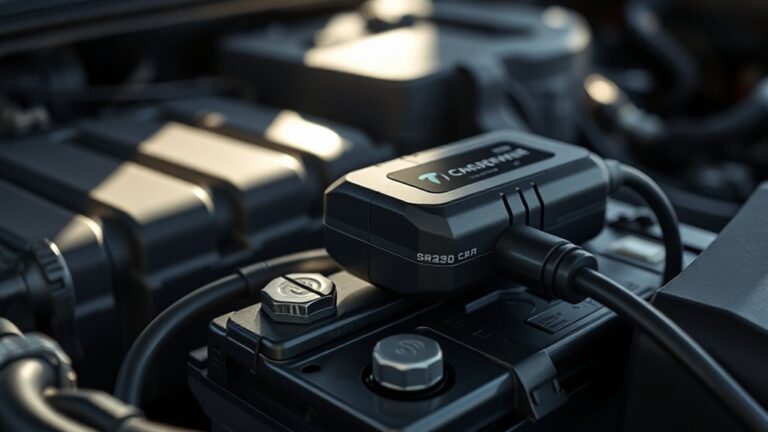
What Components Make Up a Battery Charger?
Are you tired of dealing with batteries that don’t hold a charge or die too quickly? You’re not alone—many people struggle with finding the right charger that keeps their devices running smoothly.
Understanding what makes a good battery charger can help you make smarter choices and extend your battery life.
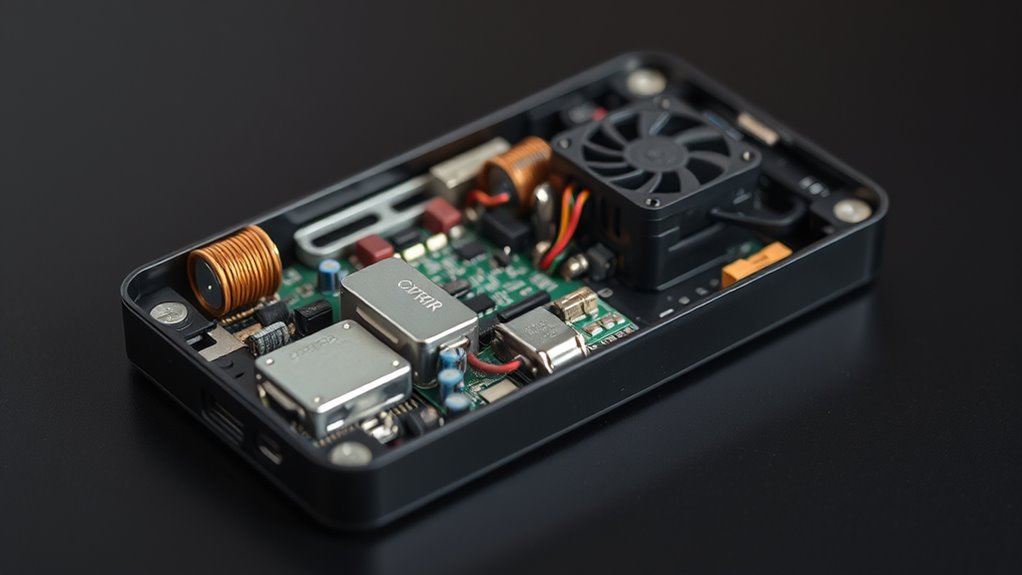
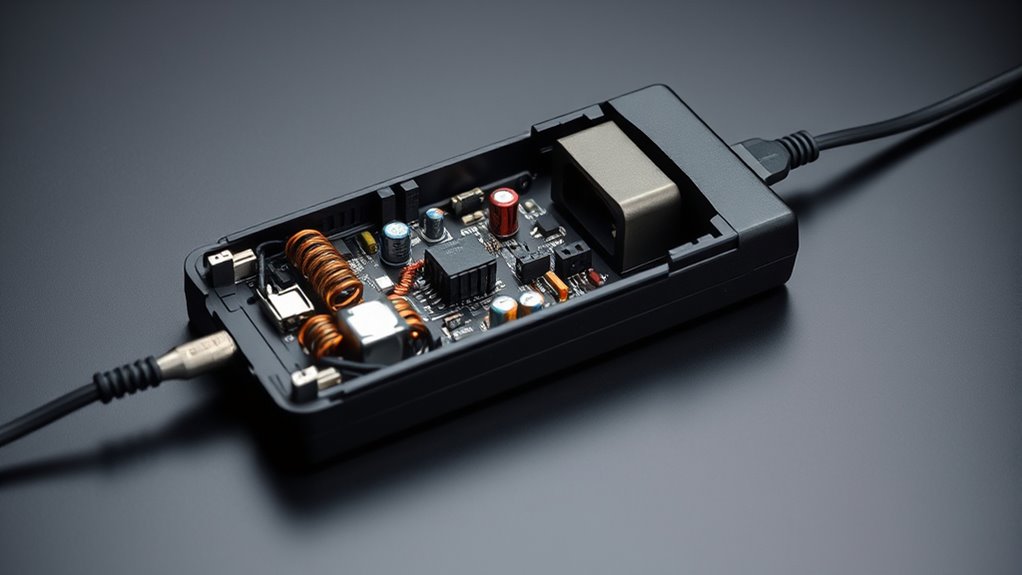
A battery charger typically includes a transformer, rectifier, and control circuit. The transformer adjusts voltage to protect your battery, while the rectifier converts AC to DC for charging.
The control circuit monitors the battery’s condition, regulating current and voltage to guarantee efficient charging and prevent overcharging. These components work together to improve battery performance and lifespan.
If you’re curious about how these parts interact or other charger features, there’s more to uncover.
Key Takeaways
- Transformer: It adjusts voltage levels to prevent damage to the battery during charging.
- Rectifier: Converts AC power into DC, which is necessary for proper battery charging.
- Control Circuit: Monitors the battery’s condition and adjusts the current to avoid overcharging.
- Safety Features: Includes thermal management and overcurrent protection to keep the charging process safe.
- Charging Circuit Types: Different designs like constant current and constant voltage are used for specific battery types.
How Battery Chargers Work: An Overview
When you plug in a battery charger, it starts a process that turns electrical energy into chemical energy, helping your battery recharge. Understanding how batteries work is important here.
As the charger delivers current, it interacts with the battery’s internal parts, allowing ions to move. This process not only recharges the battery but also boosts its overall performance.
Charging efficiency is key to how fast and well your battery charges. If the charger is designed well, it reduces energy loss and cuts down charging time. Different batteries like lithium-ion or lead-acid have their own charging needs, which affect efficiency.
Charging efficiency determines how quickly and effectively your battery recharges, with each battery type having unique needs that impact performance.
Whether you’re charging a phone or an electric car, knowing how these parts work together can help you pick the right charger and make your battery last longer. Understanding the basics of how battery chargers function helps you make smarter choices for your devices.
Key Components of a Battery Charger
Understanding how battery chargers turn electrical energy into chemical energy helps us see what makes them work. These parts are key to how well your battery charges and performs. Here are three main components you should know about:
- Transformer: It adjusts voltage levels so the right amount of power gets to your battery. Without it, you could end up damaging your battery.
- Rectifier: This part changes AC (alternating current) into DC (direct current), which is what batteries need to charge properly. It keeps the energy flowing in the right direction.
- Control Circuit: It keeps an eye on the battery’s condition and adjusts the current as needed. This helps charge more efficiently and stops overcharging, which can extend your battery’s life.
The Role of the Charging Circuit in Battery Chargers
The charging circuit plays a really important role in how well your battery charges. It’s basically responsible for managing the flow of energy into the battery, making sure everything happens smoothly and safely. Without it, your battery might not charge properly, and that could lead to problems.
There are different types of charging circuits out there, each suited for different needs. Knowing a bit about them can help you pick the right charger for your device. Whether you’re charging a small gadget or a larger battery, understanding how these circuits work makes it easier to keep your batteries safe and healthy.
Charging Circuit Functionality
While you might not think about it often, the charging circuit plays a crucial role in battery chargers. It’s responsible for converting and controlling the power delivered to the battery, making sure the charging process is safe and efficient.
Here are three key aspects of charging circuit functionality you should know:
- Voltage Regulation: It keeps the voltage at the right level to prevent overcharging.
- Current Control: This adjusts the current flow based on what the battery needs, helping the charging process run smoothly.
- Safety Mechanisms: Charging circuits often include protections against short circuits and overheating, keeping both the user safe and the battery healthy.
Types of Charging Circuits
When you look into battery chargers, you’ll find that different types of charging circuits serve unique purposes, each designed for specific battery types.
These circuit designs often use various charging methods, like constant current, constant voltage, or pulse charging.
For example, constant current circuits provide a steady flow of energy, which is great for lithium-ion batteries.
Constant voltage circuits are better suited for lead-acid batteries.
Pulse charging, meanwhile, delivers energy in bursts, which can help extend battery life.
Knowing these differences helps you pick the right charger for your needs, making sure the charging process is safe and efficient.
Safety Features in Circuits
Understanding the safety features in charging circuits is essential because they help protect both your batteries and devices.
Here are three key safety features to consider:
- Circuit Isolation helps prevent unwanted electrical surges from damaging your devices and keeps the connection safe during charging.
- Thermal Management keeps your charger from overheating, which can cause battery wear or even fires.
- Overcurrent Protection automatically shuts off the charger if it detects too much current, protecting your batteries from damage.
What’s Inside a Power Supply Unit?
A power supply unit (PSU) is essential for converting electrical energy from an outlet into the specific voltage and current your device needs. Inside, you’ll find several components working together to ensure efficient power delivery.
The transformer steps down the voltage, while rectifiers convert AC to DC to provide a steady output. Filters smooth out any fluctuations, making sure your device gets clean power.
You’ll also see capacitors that store energy for quick bursts, which helps during peak loads. Voltage regulators keep the output levels steady, protecting your device from voltage issues.
Many PSUs include fans or heat sinks to manage heat, which promotes longevity and safety. Understanding these parts helps you appreciate how a power supply keeps your devices running smoothly and efficiently.
How Battery Management Systems Operate
Battery Management Systems (BMS) play an essential role in ensuring your battery operates safely and efficiently. They monitor and control various aspects of battery performance to keep everything running smoothly.
- State Monitoring: BMS continuously tracks battery health, voltage compatibility, and discharge rates. This helps prevent overcharging and discharging, which can damage the battery.
- Thermal Management: They regulate temperature to optimize charge efficiency. This also helps improve cycle longevity and protects your battery from overheating.
- Load Balancing: By estimating capacity and balancing the load, BMS maintains consistent performance across different battery cells. This ensures even wear and extends battery life.
With a well-functioning BMS, you can maximize your battery’s potential. It improves charge efficiency, prolongs cycle life, and keeps your battery chemistry in check. It’s a critical part of modern battery chargers, helping you get the most out of your power source.
Understanding Battery Charger Voltage Regulation Mechanisms
When you check out battery chargers, it’s pretty important to get a handle on how voltage regulation works. Basically, it’s all about making sure the charger supplies the right amount of voltage to charge the battery safely and efficiently. You’ll come across different techniques for regulating voltage, like feedback control systems and various charging cycle methods.
These components aren’t just there for show—they actually work together to keep the charger running smoothly and help extend the life of your battery. So, understanding how they all fit together can really help you get the best performance and avoid any issues along the way.
Voltage Regulation Techniques
Understanding voltage regulation techniques is key to optimizing battery charger performance. Different methods help ensure your charger consistently delivers the right voltage.
Here are three important techniques:
- Linear Regulation: This provides a stable output voltage but can generate heat, so good thermal management is needed.
- Switch Mode: Using pulse width modulation, this method boosts efficiency by converting voltages with minimal energy loss.
- Feedback Loops: These constantly check the output voltage and make real-time adjustments to keep it stable.
Feedback Control Systems
To keep the output voltage steady in battery chargers, feedback control systems are really important. They use feedback mechanisms to keep an eye on the output voltage and make adjustments on the fly.
When the voltage drifts from the target level, these control loops kick in to fix it. They keep the system stable and running efficiently. These loops constantly compare the actual output to the set voltage, so they can quickly respond to changes in load or input.
Thanks to feedback mechanisms, the charger can adapt dynamically. This helps prevent overcharging or undercharging, which is key for battery health and performance. Overall, feedback control systems are a crucial part of modern battery chargers.
Charging Cycle Management
Effective charging cycle management is crucial for getting the best performance and lifespan from your battery. Understanding how voltage regulation works can help you charge more efficiently and avoid damage.
During the Constant Current (CC) Stage, the charger supplies a steady current to charge the battery quickly while keeping heat in check. Once the battery hits a certain voltage, it switches to the Constant Voltage (CV) Stage.
In this stage, the charger maintains a set voltage, making sure the battery charges safely without overvoltage. Keeping the battery cool during charging is also important.
Good thermal management prevents overheating, which can shorten the battery’s lifespan. Implementing these practices helps ensure your battery stays healthy and performs well over time.
Why Protection Features Matter in Battery Chargers
While you might focus on charging speed and compatibility when choosing a battery charger, protection features are just as important. These mechanisms are designed to keep your devices safe from overcharging, short circuits, and overheating. Without them, you risk damaging your batteries or even causing hazardous situations.
Investing in a charger with strong protection features not only safeguards your devices but also extends the charger’s lifespan. For example, built-in thermal protection prevents overheating, while overvoltage protection stops your battery from receiving too much power. These features help ensure your charger runs efficiently and lasts longer.
Ultimately, a charger with effective protection gives you peace of mind, knowing your devices are safe. So don’t overlook these essential aspects when choosing a charger—they’re key to your safety and the durability of your equipment.
Types of Connectors for Battery Chargers
When choosing a battery charger, understanding the types of connectors available can really improve your charging experience. Different connector types not only affect how fast your device charges but also how well it works with different batteries.
Here are three common connector types you should know about:
- Alligator Clips: These are flexible and often used for lead-acid batteries. They’re easy to attach and detach, making them quite convenient.
- Barrel Connectors: Common in everyday electronics, these connectors fit snugly and come in various sizes to match different devices.
- USB Connectors: With more portable devices, USB connectors are becoming more popular. They’re universal, so charging across many gadgets is simple.
Knowing which connector works best for your needs is key. Using the wrong one can lead to slow charging or even damage your battery. Make sure to choose wisely!
Innovations Shaping Charging Technology
Advancements in charging technology are transforming how we power our devices, making the process faster and more efficient than ever. Wireless charging is becoming more popular, letting you just place your device on a pad without dealing with tangled cords.
Fast charging capabilities mean you can quickly power up your devices, reducing downtime significantly. Solar chargers are paving the way for eco-friendly tech, harnessing renewable energy to keep your gadgets running.
Fast charging and solar technology are revolutionizing how we power devices, making it quicker and more sustainable than ever.
Meanwhile, smart chargers come with features that optimize charging speeds and monitor battery health, ensuring your devices stay safe and last longer. Modular designs are also gaining traction, allowing you to customize your charging solutions based on your needs.
Whether you’re at home or on the go, these innovations are reshaping how you think about power, making it more accessible and sustainable. With these advancements, staying charged has never been easier or more efficient.
Tips for Choosing the Right Battery Charger
When you’re choosing a battery charger, the first thing you want to do is figure out what kind of batteries you have. Different batteries need different types of chargers, so it’s good to know whether you’re dealing with AA, lithium-ion, or other types.
Next, think about how fast you need your batteries to charge. If you’re in a hurry, look for chargers that offer rapid charging options. But if you’re not in a rush, a slower, more gentle charge might be better for the battery’s health.
Don’t forget to check for safety features too. Things like overcharge protection, temperature regulation, and short-circuit prevention can really make a difference in keeping your devices safe and your batteries lasting longer.
Understand Battery Types
Understanding battery types is key to choosing the right charger because each type has its own traits and charging needs.
First up, Lithium-Ion batteries are popular for their high capacity and efficient charging. They last a long time and are also environmentally friendly.
Lead Acid batteries have some different features. They tend to discharge more slowly and can be tricky to manage with heat, so they’re better for bigger applications.
Lastly, Nickel Cadmium batteries can be recharged many times and work well in tough conditions. But they can suffer from memory effects, which can reduce their efficiency over time.
Consider Charging Speed
Selecting the right battery charger involves more than just knowing your battery type; charging speed also matters. When you’re choosing a charger, look for fast charging capabilities. A charger that supports fast charging can cut down your wait time, so you can get back to your devices sooner.
But it’s important to find a balance. Charging too quickly might cause excess heat, which could harm your battery over time. So, look for chargers that manage both speed and efficiency well.
Make sure the charger is compatible with your device too. This ensures you get the best performance without risking battery health. By keeping these factors in mind, you’ll pick a charger that fits your needs and keeps your battery in good shape.
Evaluate Safety Features
While you’re searching for the right battery charger, don’t overlook the importance of safety features. These components are vital for ensuring battery safety and prolonging battery life. Here are three key features to consider:
- Overcharge Protection: This prevents the battery from charging beyond its capacity, reducing the risk of damage and overheating.
- Surge Protection: It’s essential for safeguarding against voltage spikes that can harm your battery and charger.
- Thermal Management: Good charger design includes features to dissipate heat, protecting against short circuits and ensuring safe operation.
Always check user guidelines to understand how these safety features work. Prioritizing these elements can help you avoid hazards and keep your devices running smoothly.
Frequently Asked Questions
How Long Do Battery Chargers Typically Last?
Battery chargers usually last several years, but how long depends on how you use and care for them.
Choosing a good quality charger and maintaining it can help extend its lifespan.
Make sure your charger is compatible with your batteries and check for any signs of wear.
If your batteries aren’t charging fully or are taking longer than usual, it might be time to replace your charger.
Investing in a reliable charger can save you trouble and keep everything running smoothly.
Can I Use Any Charger for My Battery Type?
No, you can’t use just any charger for your battery type. Charger compatibility is essential because different batteries have specific voltage and current needs.
Using the wrong charger can damage your battery or even create safety risks. Always check the specifications to make sure your charger matches your battery type.
If you’re unsure, it’s best to consult the manufacturer’s guidelines. This way, you can avoid potential hazards and ensure your devices perform at their best.
What Happens if I Overcharge My Battery?
If you overcharge your battery, you’re playing with fire, like using a rotary phone in a smartphone world. Overcharging can cause overheating, swelling, or even leakage, which might damage your device.
It also shortens your battery’s lifespan a lot, making it less reliable over time. You’ll notice your device’s performance dropping, and in the worst cases, it could even be dangerous.
Always keep an eye on charging times to avoid these problems and keep your device safe and performing well.
Are All Battery Chargers Universal?
No, not all battery chargers are universal. Charger compatibility depends on the type of battery and device you’re using.
While some chargers are designed to work with multiple devices, many are made specifically for certain batteries. Always double-check compatibility before plugging in to avoid damage or poor performance.
If you’re unsure, it’s best to consult the device’s manual or contact the manufacturer. That way, you can be sure you’re using the right charger for your needs.
How Do I Maintain My Battery Charger?
You don’t have to be a wizard to keep your battery charger in tip-top shape! To extend its lifespan, regularly check for dust and debris, and keep it in a cool, dry place.
Avoid overcharging by unplugging it when not in use, and inspect the cables for wear.
Following these maintenance tips guarantees your charger stays reliable, saving you from unexpected surprises when you need power the most.
Conclusion
In the world of battery chargers, understanding the key components can make all the difference. From charging circuits to protection features, each part plays an essential role in keeping your devices powered up.
As technology advances, staying informed about innovations guarantees you choose the right charger for your needs. A good charger, with its components like transformers, rectifiers, and control circuits, is like a reliable friend.
It keeps your devices energized and ready for action, so you never miss a beat. Knowing what components make up a battery charger helps you pick the perfect one for your device.