What Does ‘B’ Mean on Your Gear Shift?
Many drivers find themselves overwhelmed by the different gear options in modern vehicles, especially when trying to navigate tricky terrains or steep hills.
If you’ve ever wondered what that ‘B’ stands for on your gear shift, you’re not alone. Understanding this feature can make a big difference in your driving experience.
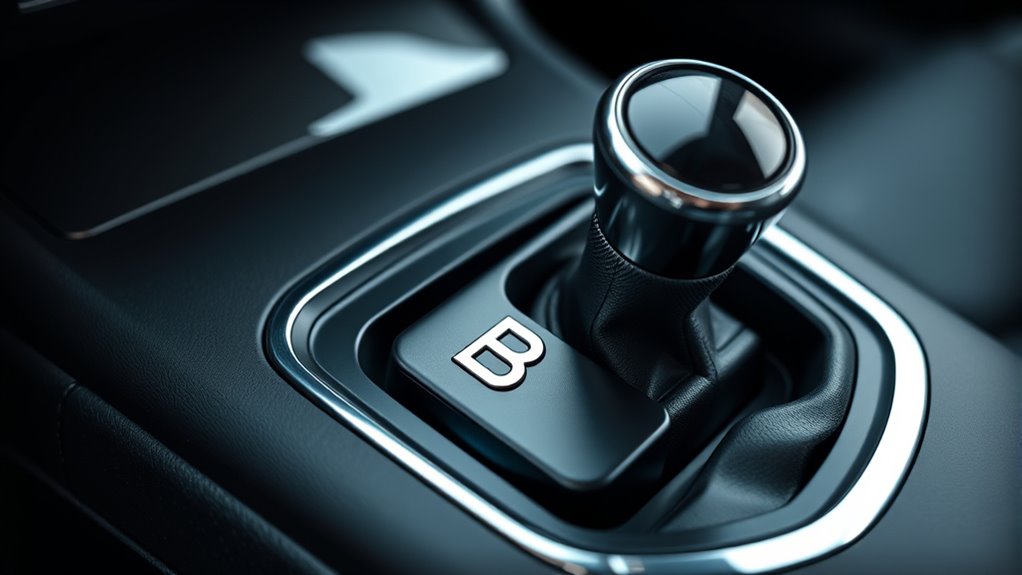
‘B’ on your gear shift stands for “Braking” mode. It gives you better control, especially on hilly or steep roads, by enhancing engine braking and reducing the need for frequent brake use.
You’ll find it helpful during descents and in stop-and-go traffic, as it helps conserve energy and reduce brake wear.
Utilizing ‘B’ mode can improve your efficiency and safety in challenging driving conditions.
Uncover more about the advantages and tips for using ‘B’ mode effectively.
Key Takeaways
- ‘B’ mode stands for “Braking” mode and is designed to give you better control on steep or hilly roads.
- It increases engine braking, which helps reduce reliance on your brakes and prevents them from wearing out quickly.
- When you engage ‘B’ mode, your transmission shift points change to give you more power and control during deceleration.
- It also captures kinetic energy through regenerative braking, making your vehicle more efficient and helping recharge the battery.
- You’ll want to use ‘B’ mode in specific situations like downhill descents or stop-and-go traffic for the best performance.
What Is ‘B’ Mode in Your Gear Shift?
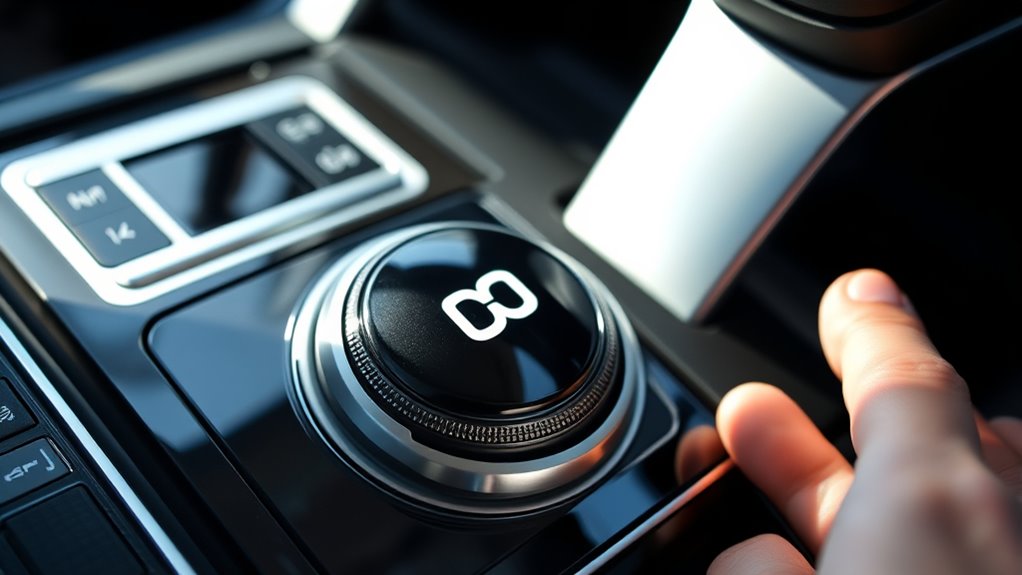
When you see ‘B’ on your gear shift, it usually stands for “Braking” mode. This mode is meant to give you better control, especially on hilly or steep roads.
When you select ‘B,’ your vehicle adjusts to provide more engine braking. This helps slow you down without relying too much on the brakes.
Selecting ‘B’ enhances engine braking, helping you slow down without overusing the brakes.
Basically, it lets you handle descents with confidence by letting the engine help manage your speed. It’s a good way to reduce brake wear and stay in control.
You’ll especially find ‘B’ mode handy on winding roads or in stop-and-go traffic. Knowing how to use this gear shift option can make your driving smoother and more efficient.
Next time you see ‘B,’ remember what it’s for and how it can improve your driving experience.
How ‘B’ Mode Enhances Regenerative Braking
While many drivers appreciate the control that ‘B’ mode offers on steep descents, it also plays an essential role in enhancing regenerative braking. When you shift into ‘B’ mode, your vehicle increases resistance during deceleration, allowing the electric motor to act as a generator.
This process captures kinetic energy that would otherwise be lost as heat and converts it back into electrical energy. That energy then recharges your battery, making your vehicle more efficient.
When Should You Use ‘B’ Mode for Better Efficiency?
Using ‘B’ mode can really boost your driving efficiency, especially in certain situations. When you’re going downhill, switching into ‘B’ mode helps you use regenerative braking better. This recovers energy that you can use later, making your drive more efficient.
You should also think about using ‘B’ mode in stop-and-go traffic. It reduces the need to brake constantly and helps you stop smoothly, which saves fuel. If you’re driving in city areas with lots of stops, ‘B’ mode can save both fuel and wear on your brakes.
Plus, if you’re towing a load, engaging ‘B’ mode can help control your speed and put less strain on your engine. Knowing when to switch to ‘B’ mode can really make a difference in how well your car performs and how much fuel you use.
How Does ‘B’ Mode Compare to Other Driving Modes?
When you switch to ‘B’ mode, you’ll really feel a difference compared to other driving modes. It’s designed to give you more engine braking, which can be super helpful when you’re going down steep hills or need extra control.
But here’s the thing—using ‘B’ mode might use a bit more energy, so it can impact your fuel efficiency if you’re not careful. It’s great for certain situations, like hilly terrain or tricky driving conditions, but in regular city driving, other modes might be more economical.
Understanding how ‘B’ mode works and when to use it can really help you drive smarter and stay safe on the road.
Engine Braking Benefits
Understanding the benefits of engine braking in ‘B’ mode can improve your driving experience, especially on steep descents. This mode boosts engine responsiveness, helping you stay in control of your vehicle.
Here are some key benefits:
- Reduced brake wear: Engine braking minimizes reliance on brakes, which means they last longer.
- Improved driving comfort: You’ll feel more stable and secure, especially when going downhill.
- Enhanced safety: Better control helps prevent skidding or losing traction.
- Better handling: ‘B’ mode helps you keep your speed without needing to accelerate too much.
- Increased confidence: Navigating tough terrains becomes easier and more reassuring.
Using engine braking in ‘B’ mode can make your drives smoother and more enjoyable. So next time you’re facing a steep hill, remember to switch it on!
Fuel Efficiency Considerations
While engine braking in ‘B’ mode offers several driving advantages, it also helps with fuel efficiency. Using ‘B’ mode can lower your fuel consumption, especially when going downhill.
This mode allows your engine to slow the vehicle, reducing the need for constant braking and saving energy. When you engage ‘B’, your vehicle uses less gas compared to regular drive modes because it relies more on engine power than fuel.
If you adapt your driving habits and use ‘B’ mode during descents or in heavy traffic, you can get the most out of your vehicle’s efficiency. Overall, ‘B’ mode not only gives you better control but also helps improve your fuel economy.
Performance in Different Conditions
Although you might be used to standard drive modes, ‘B’ mode offers some clear benefits in different driving situations. It’s especially helpful when dealing with off-road terrain or bad weather.
Here’s a quick look at how ‘B’ mode compares to other modes:
- Towing capabilities: It gives you better control when pulling heavy loads.
- Urban driving: Improves power without the need for constant gear shifts in stop-and-go traffic.
- Emergency situations: Responds faster when you need to accelerate quickly.
- Long distance travel: Keeps performance steady during extended drives.
- Traffic management: Helps with engine braking, which reduces brake wear.
What Happens When You Engage ‘B’ Mode?
Have you ever wondered what really happens when you engage ‘B’ mode on your gear shift? When you switch to ‘B,’ your vehicle changes how it drives by adjusting the transmission’s shift points.
This means it holds lower gears longer, giving you more engine braking and control, especially on downhill slopes. It’s like giving your car better braking power through the engine.
Here’s a quick gear shift explanation of what you can expect:
| Aspect | Effect in ‘B’ Mode |
|---|---|
| Engine RPM | Increases for more power |
| Braking | Better engine braking |
| Acceleration | Slower, more controlled |
| Fuel Efficiency | Usually decreases |
| Overall Control | Better on declines |
Engaging ‘B’ mode can really change how your car feels, especially on tricky terrains. Knowing these effects helps you get the most out of your vehicle’s capabilities.
Why Use ‘B’ Mode on Steep Hills?
When you’re tackling steep hills, using ‘B’ mode can really improve your driving experience. It helps you keep better gear control, making your descent smoother. Here’s why you should consider it:
Enhanced braking: ‘B’ mode gives you engine braking, which reduces wear on your brakes. You won’t have to press the brake pedal as much.
Improved stability: You’ll feel more in control, especially on steep inclines and declines. It helps keep your car steady.
Consistent speed: It helps you maintain a steady pace without needing to accelerate constantly.
Fuel efficiency: Using engine braking during descents can help conserve fuel.
Reduced risk: It lowers the chance of skidding on slippery surfaces, making your drive safer.
Debunking Myths About ‘B’ Mode
You might think ‘B’ mode is only meant for those really steep hills, but that’s not actually the full story. There’s a lot of confusion out there about what ‘B’ mode does and when you should use it.
Let’s set the record straight and clear up some of these myths so you can make better use of ‘B’ mode whenever you need it.
Misunderstood Purpose of ‘B’
What exactly does the ‘B’ mode on your gear shift signify? Many drivers misunderstand its purpose. While it’s often associated with improved braking, it’s important to understand how it fits into your driving habits and vehicle performance.
Here’s what you should know about ‘B’ mode:
- It’s designed for smoother gear shifts, especially on downhill slopes.
- It can boost efficiency in electric vehicles by maximizing regenerative braking.
- ‘B’ mode gives drivers more control if they prefer it.
- Understanding modes like ‘B’ can help you shift more effectively.
- Always check your user manual to address any safety concerns specific to your vehicle.
Common Misconceptions Explained
How often do drivers misinterpret the ‘B’ mode on their gear shift? Many think it’s just for low-speed driving or only useful in emergencies.
In reality, ‘B’ mode offers several benefits that can improve your driving strategy. It’s meant to help with engine braking, especially on steep hills, which can reduce wear on your brakes and give you better control.
Some people believe using ‘B’ all the time is best. But that’s misleading; it’s most effective in specific situations.
Knowing when to engage ‘B’ can make your driving smoother, more responsive, and help conserve energy.
Does ‘B’ Mode Impact Battery Life?
While many drivers enjoy the better control that ‘B’ mode provides, there’s often concern about how it affects your battery life. You might wonder if using ‘B’ mode will drain your battery faster depending on your driving style.
‘B’ mode enhances regenerative braking, which can actually help extend your battery life. It also promotes smoother driving, making your trips more efficient overall.
However, if you tend to stop and start frequently, ‘B’ mode might use more battery power than regular driving modes. Driving uphill in ‘B’ mode can also consume more energy than cruising downhill.
Your personal driving habits play a big role in how ‘B’ mode impacts your battery. Knowing these factors can help you decide when to use it, balancing control with battery efficiency.
Tips for Maximizing ‘B’ Mode Benefits
Want to get the most out of ‘B’ mode? Try using it mainly when you’re going downhill. It’s great for boosting engine braking, which helps you control your speed better. Plus, it can even help you save some fuel along the way.
Making this little switch can lead to a smoother ride and improve how your car performs overall. So, next time you’re headed downhill, give ‘B’ mode a try and see the difference!
Enhanced Engine Braking
When you engage ‘B’ mode, you activate improved engine braking that can make your driving smoother, especially on steep descents. This setting helps optimize engine performance, giving you better control of your vehicle.
Here are some tips to get the most out of ‘B’ mode:
- Anticipate Stops: Plan your stops early so you can use engine braking effectively.
- Downshift Gradually: Shift into ‘B’ before going down steep declines for smoother transitions.
- Monitor Speed: Keep an eye on your speed to avoid relying too much on brakes.
- Use on Slippery Roads: Engine braking can help you stay in control on wet or icy surfaces.
- Practice Patience: Don’t rush—let the engine do the work for you.
Improved Fuel Efficiency
Engaging ‘B’ mode not only boosts engine braking but can also help improve fuel efficiency. Using this mode, especially on downhill slopes or in stop-and-go traffic, helps you save fuel.
It allows your vehicle to stay at a lower speed without needing to accelerate excessively. This reduces fuel consumption and makes your driving more efficient.
To get the most benefit, adjust your driving habits. Anticipate stops and slow down gradually so ‘B’ mode can work effectively.
Avoid rapid acceleration and hard braking, as these waste fuel. Instead, aim for smooth, steady driving to maximize efficiency.
Drivers Share Their Experiences With ‘B’ Mode
Have you ever wondered how ‘B’ mode can make your drive better? Lots of drivers share their experiences, showing how this feature improves their journeys.
Here’s what some users say:
- Better control on hills: They love the engine braking, which helps keep their speed steady without relying too much on brakes.
- Smoother acceleration: Many find that ‘B’ mode provides a more gradual start, making city driving easier.
- Increased fuel efficiency: Drivers notice better mileage, especially during long trips.
- Improved safety: The extra control boosts confidence, especially in slippery conditions.
- Less wear on brakes: Switching to ‘B’ can reduce brake wear and save on maintenance costs.
From these stories, it’s clear that ‘B’ mode isn’t just a feature — it’s a practical tool to upgrade your driving experience.
Frequently Asked Questions
Can ‘B’ Mode Be Used in All Weather Conditions?
Yes, you can use ‘B’ mode in various weather conditions, but it’s not always the best choice.
The benefits include better engine braking, which is helpful on downhill slopes.
But it has limitations in slippery conditions because it might cause you to lose traction.
During rain or snow, it’s better to switch to normal mode to keep better control.
Always consider your driving environment and choose the mode that keeps you safest.
Does ‘B’ Mode Affect Engine Performance?
Yes, using ‘B’ mode can affect engine performance. It improves engine braking, helping slow the vehicle without solely relying on your brakes.
This can lead to better fuel efficiency, especially during downhill driving. You’ll notice fewer gear shifts, which allows the engine to work more efficiently.
However, it might feel less responsive at higher speeds. Overall, ‘B’ mode is useful for maintaining control and conserving fuel in certain driving conditions.
Is ‘B’ Mode Safe for New Drivers?
Absolutely, ‘B’ mode can be a safe haven for new drivers. It’s like having a gentle hand guiding you through the learning curve.
With benefits like improved braking control and smoother acceleration, it makes navigating tricky situations easier.
While you’re getting used to the road, ‘B’ mode helps you focus on building confidence without feeling overwhelmed.
See it as a supportive partner in your new driver journey!
How Does ‘B’ Mode Impact Acceleration?
‘B’ mode impacts acceleration by giving you more engine braking, which helps you control your speed without relying only on the brakes.
When you shift into this mode, the vehicle uses power control to manage acceleration more smoothly, especially on downhill slopes.
You’ll notice a gradual response instead of a sudden burst of speed, making it easier to keep a safe pace.
This can be especially helpful for managing your driving in different conditions.
Can I Switch From ‘B’ Mode While Driving?
Absolutely, you can switch from ‘B’ mode while driving, like turning a page in a thrilling novel—you’re embracing a new chapter!
Just keep in mind that smooth driving techniques make the change easier. As you adjust the gear shift, make sure you’re doing so at an appropriate speed.
This way, you maintain control and improve your driving experience. So go ahead, shift gears confidently, and enjoy the ride!
Conclusion
To sum up, using ‘B’ mode is like having a secret weapon in your driving arsenal. It not only boosts your vehicle’s regenerative braking but also helps you save energy, much like a wise old owl conserving its strength for the night ahead.
So, next time you hit the road, remember to adopt ‘B’ mode. It’s your chance to drive smarter, extend your battery life, and navigate your journey with a little extra efficiency.