How Many Amps for Your Car Battery Charger?
Struggling to find the right car battery charger? You’re not alone—many people get overwhelmed trying to pick the perfect one for their vehicle. With so many options out there, it’s easy to feel confused about what’s best for your battery.
When choosing a car battery charger, you’ll want to evaluate the amp rating. For lead-acid batteries, aim for 10-20% of the battery’s amp-hour capacity—so a 60 amp-hour battery needs 6-12 amps.
Lithium-ion batteries can handle 12-18 amps. Cold temperatures and battery age affect amp requirements, too. Always check your battery’s specifications for the best match.
Want to know more about charger types and safety tips? There’s plenty more to investigate!
Key Takeaways
- Consider the battery type: lead-acid chargers should provide 10-20% of the amp-hour capacity, while lithium-ion can handle 12-18 amps.
- Cold temperatures increase amp requirements because batteries don’t hold as much charge, and older batteries may need more amps for effective charging.
- Trickle chargers are great for maintenance, while smart chargers automatically adjust the rate based on the battery type.
- Always keep an eye on the battery’s condition during charging to catch issues early and keep your battery healthy.
- Make sure to follow the manufacturer’s guidelines for the right amp rating for your specific battery.
Understanding Amps in Car Battery Chargers
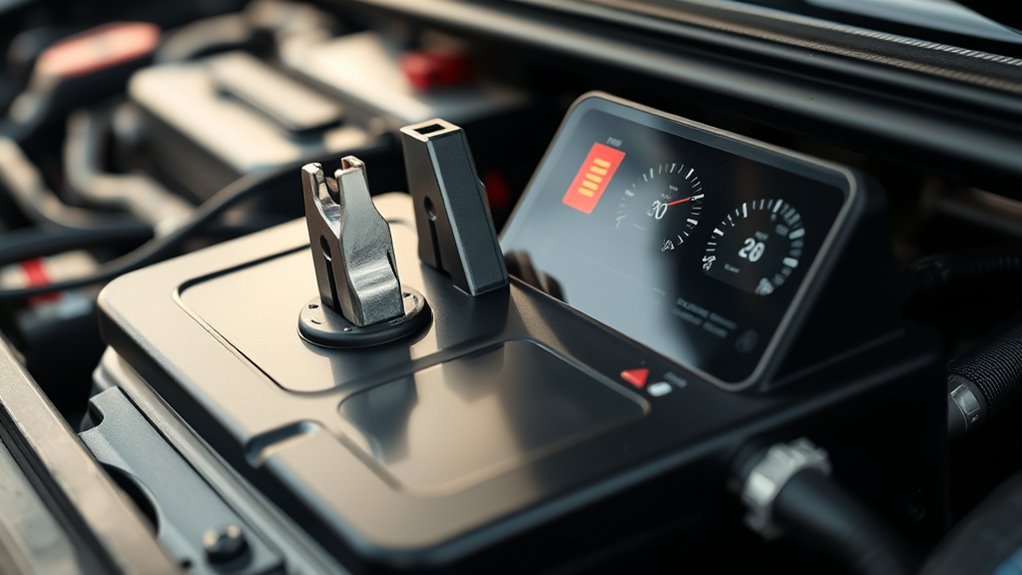
When it comes to car battery chargers, understanding amps is essential for effective charging. Amperage tells you how quickly your battery can be charged, and different battery types need specific attention.
For example, lead-acid batteries usually require a different charging approach than lithium-ion batteries, which affects the amps needed. Matching the charger’s output to your battery’s capacity is key.
Using a higher amp charger can speed things up, but it might also cause overheating or damage certain batteries. Conversely, a lower amp charger takes longer but is often safer for delicate batteries.
Always check your battery’s specifications before choosing a charger. Knowing the right amps ensures your battery stays in great shape and lasts longer.
How Many Amps Does Your Car Battery Need?
How do you figure out how many amps your car battery needs? Start by identifying your battery type—usually lead-acid or lithium-ion. Each one has different needs for peak performance.
Lead-acid batteries usually need a charging rate of about 10-20% of their amp-hour capacity. Lithium-ion batteries can handle higher rates thanks to their better charging efficiency.
Lead-acid batteries require a charging rate of 10-20% of their amp-hour capacity, while lithium-ion batteries can handle faster rates.
For example, if you have a 60 amp-hour lead-acid battery, aim for a charger that delivers 6-12 amps. This strikes a good balance between charging speed and battery health.
Lithium-ion batteries can charge faster, so you might go for a charger that provides 12-18 amps. Always check your manufacturer’s guidelines for specific recommendations.
Choosing the right amp rating helps improve charging efficiency and can extend your battery’s life. That way, you stay on the road longer without worries.
Key Factors Influencing Your Car Battery Amp Needs
Several key factors influence your car battery’s amp needs, including temperature, battery age, and usage patterns. Understanding these helps you pick the right charger.
| Factor | Impact on Amp Needs |
|---|---|
| Temperature | Cold weather increases amp needs because the battery’s capacity drops. |
| Battery Age | Older batteries may need more amps to charge effectively. |
| Usage Patterns | Short trips mean the battery doesn’t fully charge, so you might need a higher-amp charger. |
When it gets colder, your battery struggles and needs more amps to keep going. As your battery ages, its capacity decreases, so you may need a stronger charger. If you often take short trips, your battery might not fully recharge, which calls for a higher-amp charger.
Discover the Best Types of Car Battery Chargers
Choosing the right car battery charger is essential for keeping your battery healthy, especially considering factors like temperature and how often you use your car.
With so many charger types out there, it’s important to pick one that matches your battery’s needs. Here are some common options to consider:
Trickle Chargers are perfect for maintaining your battery over time without the risk of overcharging.
Smart Chargers automatically adjust their charging rate, making them suitable for various battery types.
Portable Chargers are great for emergencies and on-the-go use, offering convenience when you need it most.
Battery Maintainers keep your battery topped off safely, preventing overcharging while preserving performance.
Trickle vs. Fast Chargers: Which Is Right for You?
When choosing between trickle and fast chargers, think about how quickly you need your battery charged and how often you’ll be using your vehicle.
Trickle charging is great for keeping your battery healthy over time, especially if you’re not driving every day.
It provides a low, steady charge, making sure your battery stays topped off without risking overcharging.
Fast charging, on the other hand, is perfect if you need a quick boost before hitting the road.
It delivers a higher amperage, filling up your battery faster but can sometimes cause overheating if used too often.
Here’s a quick comparison:
| Feature | Trickle Charging | Fast Charging |
|---|---|---|
| Charge Time | 12+ hours | 1-4 hours |
| Ideal Use | Long-term battery care | Quick, emergency charging |
| Battery Impact | Gentle on battery | Potentially stressful |
Choose what works best for your driving habits!
How to Calculate Your Battery’s Amps Easily?
How can you easily calculate your battery’s amps? Understanding amp calculation techniques can make your charging process simpler. Here’s how you can do it:
First, find your battery’s capacity. Check the amp-hour (Ah) rating, which is usually on the battery label.
Next, use the formula: divide the battery capacity by the desired charging time. For example, if your battery has 60 Ah and you want to charge it in 6 hours, you’ll need 10 amps.
Keep in mind that factors like age, temperature, and usage can affect performance. Adjust your calculations to account for these.
Finally, monitor your charger’s amp output to ensure it matches your calculated requirements.
Common Mistakes When Choosing a Car Battery Charger
Many people overlook key factors when selecting a car battery charger, which can lead to frustrating results. Common charging mistakes include not matching the charger’s amps to your battery’s needs. Many assume that higher amps always mean faster charging, but that’s not always true.
Here’s a quick reference table to help you avoid amp misconceptions:
| Charger Type | Recommended Amps |
|---|---|
| Trickle Charger | 1-2 Amps |
| Standard Charger | 4-10 Amps |
| Fast Charger | 10-30 Amps |
| Smart Charger | Varies |
Ignoring these guidelines can damage your battery or reduce its lifespan. Always check your battery specs and choose a charger that fits your needs to ensure safe, efficient charging.
Safety Tips for Using Car Battery Chargers
When you’re using a car battery charger, it’s really important to make sure there’s good ventilation around you. This helps prevent any dangerous gases from building up while you’re charging the battery.
And don’t forget about overcharging! Leaving the charger on for too long can actually harm your battery and even create safety hazards. So, keeping an eye on the charging process is a smart move.
Proper Ventilation Required
While you might be eager to get your car battery charged, making sure there’s proper ventilation is really important for safety. Not enough airflow can cause dangerous gas buildup.
Here are some tips to help you place your charger safely:
- Choose an open area: Make sure there’s plenty of airflow around your charger.
- Avoid enclosed spaces: Never charge your battery in a closed garage or similar area.
- Keep away from flammable materials: Position the charger away from anything that could catch fire.
- Use fans if necessary: If natural ventilation isn’t enough, consider using a fan to circulate the air.
Avoid Overcharging Risks
To prevent overcharging your car battery, it’s important to keep an eye on the charging process. Overcharging can cause too much heat, electrolyte loss, and even battery swelling. These problems not only hurt your battery’s performance but also shorten its lifespan.
Always choose a charger with an automatic shut-off feature or a smart charger that adjusts the current based on the battery’s needs. If you’re using a manual charger, set a timer so you don’t leave it connected too long.
Regularly check the battery’s condition during charging to spot any early signs of trouble. Taking these steps helps keep your battery healthy and lasts longer, saving you time and money in the long run.
Maintenance Tips for Your Car Battery Charger
Proper maintenance of your car battery charger can greatly extend its lifespan and guarantee peak performance. By following a few simple tips, you’ll ensure charger longevity and effective battery maintenance.
- Keep it clean: Regularly wipe down your charger to remove dust and grime that can affect how well it works.
- Check the cables: Inspect the cords for fraying or damage. Replace them if needed to prevent hazards.
- Store it properly: When you’re not using it, keep your charger in a dry, cool place to avoid moisture damage.
- Test it occasionally: Run a test charge from time to time to make sure everything is functioning smoothly.
When to Consult a Professional for Battery Issues?
Even with proper maintenance of your car battery charger, there are times when it’s best to get professional help for battery issues. If you notice unusual symptoms like slow engine cranking, dimming headlights, or needing frequent jump-starts, it’s a sign something’s wrong.
Ignoring these signs can lead to bigger problems later on. You should also consider seeing a pro if your battery charger isn’t working right. A faulty charger can damage your battery, so getting a professional diagnosis can save you money.
And if you’ve replaced your battery but still face issues, it’s time to reach out for expert help.
Frequently Asked Questions
Can I Use a Charger for Multiple Car Battery Types?
Yes, you can use a charger for multiple car battery types, as long as you check the battery compatibility and charger specifications.
Many modern chargers are designed to handle different types like lead-acid, AGM, or gel batteries. Just make sure the charger’s output matches the requirements of each battery type.
Always consult the user manual for guidance, and you’ll keep your batteries charged and healthy without any issues.
How Long Does It Take to Fully Charge a Car Battery?
Charging time for a car battery usually takes between 4 and 12 hours, depending on the battery’s capacity and the type of charger you’re using.
If you’re using a standard charger, it will generally take longer, while a fast charger can cut down the time quite a bit.
Always check your battery’s specifications because larger batteries might need more time to fully charge.
It’s a good idea to keep an eye on the charging process to prevent overcharging and keep your battery in good shape.
What Happens if I Overcharge My Car Battery?
If you overcharge your car battery, you risk damaging it, overheating it, and even causing leaks. You’re also compromising battery maintenance and charging safety.
The electrolyte can evaporate, which leads to sulfation, reduces the battery’s lifespan, and might cause it to fail. Plus, gases can build up and create a fire hazard.
To keep your battery in good shape and safe, monitor the charge level and use the right charger. This way, you’ll ensure your battery lasts longer and is ready for the road ahead.
Are Smart Chargers Worth the Investment?
Yes, smart chargers are definitely worth the investment. They offer many benefits, like preventing overcharging and helping your battery last longer.
When you do a quick cost comparison, the upfront price might seem a little higher. But in the long run, you’ll save money on replacing and maintaining your battery.
Plus, they’re more efficient, saving you time and hassle. This way, your vehicle is always ready to go whenever you need it.
How Do I Know if My Charger Is Working Properly?
To know if your charger’s working properly, check the charger indicators. A green light usually means it’s functioning well, while a red light may indicate a problem.
You can also use testing methods like a multimeter to measure voltage output. If the readings match your charger’s specs, it’s likely in good shape.
Regularly inspecting these indicators and performing tests will help keep your charger reliable.
Conclusion
Choosing the right amperage for your car battery charger isn’t just a matter of preference. It’s crucial for your vehicle’s health, much like picking the right fuel for a racecar.
By understanding your battery’s needs and the types of chargers available, you can avoid common pitfalls. This helps ensure a smooth ride every time.
So, whether you go for a trickle charger or a fast charger, remember: a little knowledge goes a long way in keeping your car running like a well-oiled machine.
When selecting a charger, pay attention to the amperage. It impacts how quickly your battery charges and its overall health.
For most vehicles, a charger with 10 to 15 amps works well for regular maintenance. If you need a quicker charge, a higher amperage charger might be better.
Just keep in mind that choosing the right amps is key. It helps protect your battery and keeps your car ready to go whenever you are.