7 Simple Steps to Adjust Carburetor
Are you struggling to get your engine running smoothly? Many people find adjusting a carburetor confusing and frustrating, especially if they’re new to DIY engine tune-ups. Don’t worry—you’re not alone, and with a few simple steps, you can master this task.
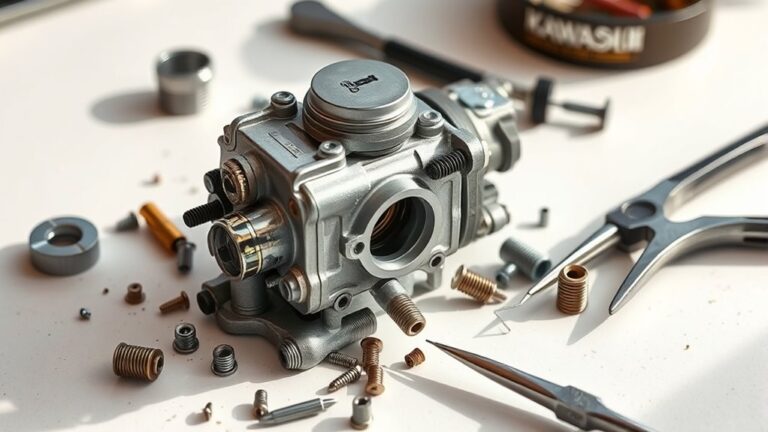
To adjust your carburetor, start by knowing your carburetor type and gathering essential tools. Remove the air filter for easy access.
Next, adjust the idle speed and air-fuel mixture screws. After that, evaluate engine performance by monitoring idle stability and throttle response. Fine-tune any settings as needed before reassembling all components securely.
Finally, check everything for completeness and start the engine to see how it performs. You’ll uncover more tips to optimize your adjustments effortlessly.
Key Takeaways
- Warm up the engine to reach the optimal operating temperature before making any adjustments.
- Remove the air filter so you can easily access the carburetor and check it properly.
- Find the idle adjustment screw and make small, precise tweaks to tune the carburetor.
- Use a tachometer to check the RPMs and make sure they match the manufacturer’s specs.
- Once you’re done, reassemble all the parts securely.
- Do a final inspection before starting the engine to ensure everything is in place.
Know Your Carburetor Type
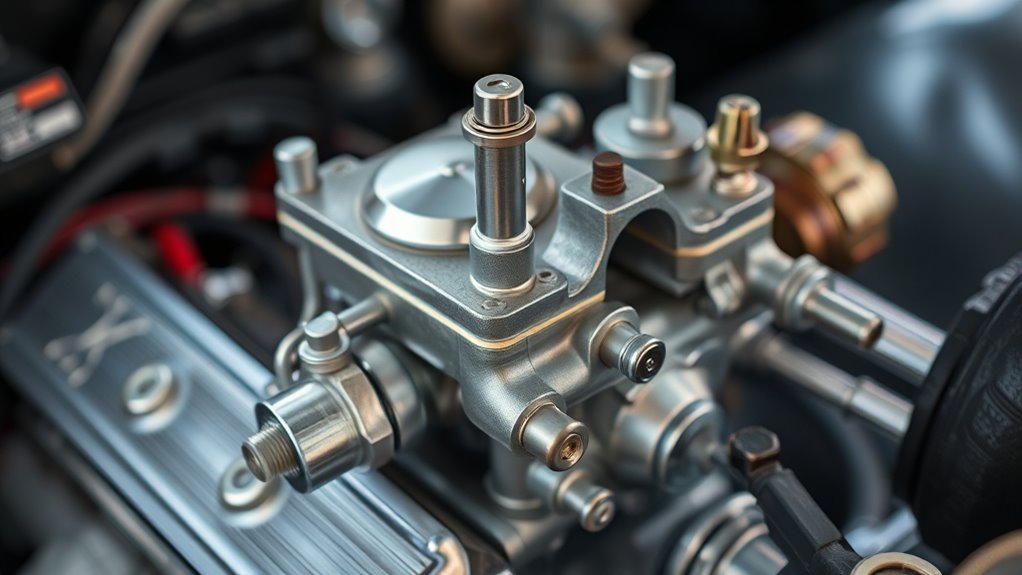
Before you start adjusting your carburetor, it’s important to know which type you’re working with. Understanding the basics can save you a lot of time and frustration.
There are mainly two types: the fixed-jet and the adjustable carburetor. Fixed-jet models are simpler and often found in small engines, while adjustable ones let you tune the fuel-air mixture, making them common in performance vehicles.
Each type has its own common issues. Fixed-jet carburetors might have trouble with fuel flow, causing stalling or poor acceleration. Adjustable carburetors can face problems if set incorrectly, leading to rough idling or high fuel consumption.
Knowing your carburetor type helps you troubleshoot more effectively. It also makes sure you’re prepared to make the right adjustments. Taking the time to understand this sets you up for a successful tuning experience.
Gather Your Tools and Supplies
Now that you know your carburetor type, it’s time to gather the tools and supplies you’ll need for adjustments. Start with essentials like a screwdriver set, wrenches, and pliers—these are your main tools for most tasks.
Don’t forget to have adjustment tools like a tachometer for precise measurements. Before you begin, review some maintenance tips to keep everything running smoothly.
Always wear safety goggles and gloves to protect yourself from potential hazards. When troubleshooting issues, keep a checklist handy to avoid common mistakes that can slow you down.
Always prioritize safety by wearing goggles and gloves, and use a checklist to streamline troubleshooting and avoid common pitfalls.
Make sure your workspace is clean and organized so your tools are easy to find. With everything gathered, you’ll be ready for a successful carburetor adjustment.
Remove the Air Filter for Access
To get better access to the carburetor, start by removing the air filter. This step makes it easier to make adjustments later on.
First, find the air filter housing, which is usually held in place by screws or clips. Use your tools to loosen them gently, being careful not to damage any parts.
If your air filter has a rubber gasket, watch out not to tear it during removal. Once the housing is detached, carefully lift out the filter.
Check the filter for dirt or wear. A clean filter helps the carburetor work properly. If parts are stubborn, try gentle twisting or rocking to free them without using force.
After removing the air filter, you’ll have clear access to the carburetor. This makes the next steps in your adjustment process much easier.
Adjust the Idle Speed and Mixture
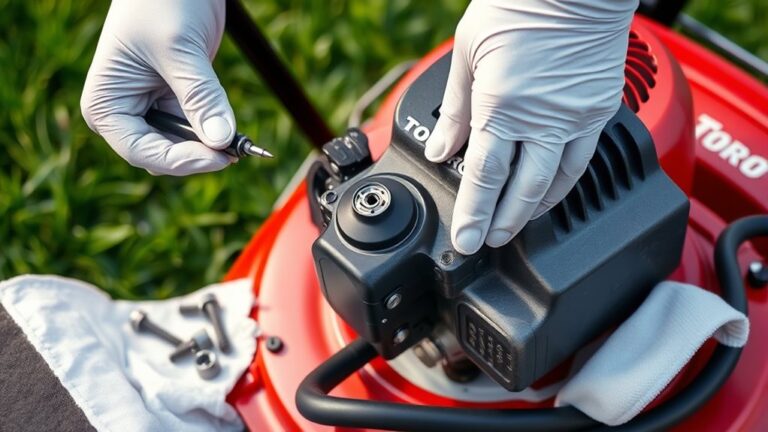
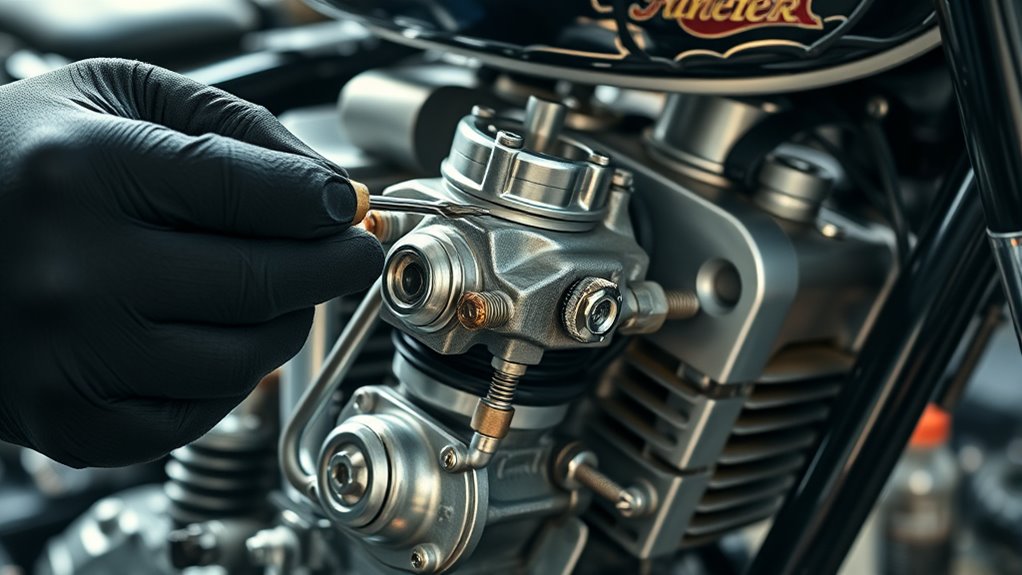
Adjusting the idle speed and mixture is key to getting your engine running smoothly. First, find the idle speed screw on your carburetor. Turn it clockwise to bump up the RPMs, or counterclockwise to slow them down. Aim for a steady, smooth idle.
Next, work on the mixture screw. Turning it changes the air-fuel ratio, which is crucial for tuning. A richer mix can cause a rough idle, while a leaner one might lead to stalling. Turn it slowly and listen for how the engine sounds.
After setting both screws, check that your engine runs evenly without fluctuation. If it’s too rich or too lean, go back and tweak the mixture screw. Every small adjustment should help improve performance and fuel efficiency.
Evaluate Engine Performance After Adjustments
Once you’ve made your adjustments, it’s a good idea to check how your engine is actually performing. Start by keeping an eye on the idle speed—see if it’s steady or if it’s fluctuating. Then, give the throttle a little test to see how it responds.
And don’t forget about fuel efficiency! Make sure your engine isn’t using more gas than it should be, so everything’s running smoothly and efficiently.
Monitor Engine Idle Speed
Monitoring engine idle speed is key to checking how your engine’s doing after making adjustments. Once you’ve tweaked the carburetor, start the engine and let it warm up a bit.
Next, watch the idle speed — it should match the manufacturer’s specs. If it’s too high or too low, you’ll want to troubleshoot the idle speed. Listen for any weird engine noises during this time, as they can point to problems with your adjustments.
Keep an eye on RPM fluctuations, too. These can signal air leaks or imbalances. If you notice anything odd, it might be time to revisit your settings. Paying attention to these details helps keep your engine running smoothly and efficiently.
Check Throttle Response
Once you’ve made your carburetor adjustments, it’s important to check the throttle response to confirm your engine performs at its best. Start by inspecting the throttle linkage for any binding or misalignment. A smooth connection guarantees the throttle reacts promptly when you press the accelerator.
With the engine running, gradually increase the throttle and listen for a quick, responsive surge. If it hesitates or stutters, you might need further carburetor tuning to refine fuel delivery.
Adjust the mixture screws or idle speed as necessary, then test again. Regular checks of throttle response are vital for peak performance, making sure your engine responds efficiently to your commands and delivers a smooth driving experience.
Inspect Fuel Efficiency
It’s essential to inspect fuel efficiency after adjusting your carburetor to confirm your engine is running at peak performance. Start by monitoring fuel consumption during regular driving conditions. Keep track of how many miles you get per gallon and compare it to previous figures. This helps you gauge if your adjustments have improved or hindered efficiency.
Next, conduct some efficiency testing. Take your vehicle on a controlled drive, maintaining steady speeds, and note the fuel usage. If you notice a significant drop in efficiency, it may mean more adjustments are needed. Remember, ideal fuel efficiency saves money and reduces emissions, so it’s worth checking everything’s running smoothly.
Fine-Tune Your Adjustments
To fine-tune your carburetor adjustments, it’s important to understand the right air-fuel mixture your engine needs. Basically, you want to find that perfect balance so your engine runs smoothly and efficiently. Keep an eye on how the engine responds as you make changes—you’ll want to listen for any rough idling or hesitation.
And don’t forget about the idle speed! Adjusting it properly can make a big difference in how smoothly your engine runs at rest. Just take your time, make small tweaks, and you’ll be able to get your engine running at its best.
Understand Air-Fuel Mixture
Understanding the air-fuel mixture is key to fine-tuning your carburetor adjustments. Getting the right balance helps your engine run smoothly and efficiently. Here are four simple steps to help you tune it effectively:
- Check Your Spark Plugs: Look at their color. A tan hue means the mixture is just right.
- Adjust Idle Speed: Set the idle speed according to the manufacturer’s specs to keep the mixture stable.
- Modify Mixture Screws: Turn the screws slowly and listen to the engine. A smooth sound usually indicates a good balance.
- Test Under Load: Take your vehicle for a test drive and watch how it performs under different conditions.
Monitor Engine Performance
Monitoring engine performance is key when you’re fine-tuning your carburetor adjustments. Keep an ear out for unusual sounds and watch how your engine responds.
Pay attention to acceleration and idle stability. Use engine diagnostics tools to check air-fuel ratios and RPMs, which tell you if your tweaks are working.
Look for signs like black smoke from the exhaust, indicating a rich mixture, or backfiring, which suggests a lean condition.
Adjust Idle Speed
Fine-tune your carburetor by adjusting the idle speed so your engine runs smoothly when at rest. Getting the idle speed right is key to good performance during carburetor tuning.
Follow these simple steps:
- Warm Up the Engine: Let it reach the proper temperature for accurate adjustments.
- Locate the Idle Adjustment Screw: Usually found on the side of the carburetor.
- Turn the Screw: Clockwise to increase idle speed or counterclockwise to decrease it.
- Check RPMs: Use a tachometer to make sure the idle speed is within the manufacturer’s recommended range.
After you make the adjustments, listen for a steady, even sound from the engine. This fine-tuning will help improve your engine’s overall performance.
Reassemble and Secure All Components
Once you’ve verified all adjustments are complete, it’s time to reassemble and secure all components. Start by carefully placing the carburetor back onto the intake manifold, making sure it lines up properly with any gaskets.
Next, reassemble parts like the air filter and throttle linkage, ensuring everything fits snugly. As you work, double-check that you’re using the correct fasteners for each part.
It’s important to tighten the fasteners securely but avoid overtightening, which could damage the components. After everything is in place, take a moment to inspect your work.
Make sure all hoses and electrical connections are properly attached. Once you’re satisfied, reconnect the battery if you had removed it earlier.
Finally, give the carburetor a quick check for any loose items. With everything reassembled and secured, you’re ready to start the engine and test your adjustments!
Frequently Asked Questions
How Do I Identify My Carburetor Type?
To identify your carburetor type, start by checking your vehicle’s manual or the manufacturer’s website for specs.
Look for markings or part numbers directly on the carburetor. You can also compare it with online images of different carburetor types to see which one matches yours.
If you’re still unsure, it’s a good idea to ask a mechanic or an automotive enthusiast for help. They can guide you with identification methods specific to your engine.
What Tools Are Essential for Carburetor Adjustment?
To adjust your carburetor effectively, you’ll need a few essential tools. Grab a flathead screwdriver for the screws, a Phillips screwdriver for other fasteners, and a socket wrench for nuts.
A fuel pressure gauge can help you keep an eye on the fuel system, while a tachometer is great for fine-tuning engine RPMs.
Familiarize yourself with adjustment techniques, and you’ll see your carburetor perform better, giving you a smoother ride.
And don’t forget to wear gloves for safety!
Can I Adjust the Carburetor Without Removing It?
Yes, you can adjust the carburetor without removing it, kind of like tuning a fine instrument to get it just right.
You can tweak the air-fuel mixture and idle speed right from your engine’s belly using the right adjustment techniques.
Just grab your tools and follow the specific tuning instructions for your carburetor model. With patience and a steady hand, you’ll have it running smoothly in no time, making your engine purr like a well-oiled machine.
What Symptoms Indicate a Carburetor Needs Adjustment?
If you’re noticing rough idling, stalling, or poor acceleration, those are clear signs you need to check your carburetor.
You might also see black smoke from the exhaust or notice your fuel efficiency has dropped—that’s another hint something’s off.
If your engine hesitates or backfires, that’s definitely a red flag.
Keeping an eye on these symptoms can help you know when it’s time to adjust your carburetor for the best performance.
How Often Should I Adjust My Carburetor?
You should adjust your carburetor whenever you notice changes in performance, but generally, aim to do it every season as part of your regular maintenance.
If your engine starts stalling, running rough, or showing poor fuel efficiency, it’s definitely time to make an adjustment.
Keep an eye out for these signs, and don’t hesitate to fine-tune it more often if you use your vehicle frequently or in tough conditions.
Regular adjustments can help keep your engine running smoothly and efficiently.
Conclusion
So, you’ve mastered carburetor adjustments, and your engine’s purring like a kitten. Who knew that a little tweaking could turn you into a mechanic overnight?
Just remember, if it runs too well, you might have to start charging friends for your newfound expertise! But hey, don’t let the fame go to your head—after all, you still can’t fix a flat tire.
Enjoy the ride and embrace your role as the neighborhood carb wizard!