What Gears Does an Electric Car Have?
Feeling overwhelmed by all the technical details of electric cars? You’re not alone. Many people struggle to understand how these vehicles operate, especially when it comes to their gear systems.
Electric cars primarily use single-speed transmissions, which simplify driving by providing seamless power delivery. With instant torque from a standstill, you won’t need to shift gears like in traditional vehicles.
This setup improves efficiency, reduces maintenance costs, and allows for smooth acceleration.
Some high-performance models are investigating multi-speed systems, but the single-speed approach remains popular for its advantages.
If you’re curious about how these systems improve performance, there’s more to discover!
Key Takeaways
- Electric cars typically use a single-speed transmission for simplified driving and instant torque delivery.
- Most EVs employ reduction gears to manage high torque from electric motors efficiently.
- Gear ratios in single-speed transmissions are optimized for performance across various speeds.
- Some manufacturers are exploring multi-speed systems to enhance performance and efficiency in certain EV models.
- Regenerative braking systems in EVs capture energy during deceleration, contributing to overall efficiency and range.
Understanding Electric Vehicle Gears
When you think about electric vehicles (EVs), you might assume they work like traditional cars with complicated gear systems, but that’s not quite right.
EVs usually have a single-speed transmission, which makes things simpler. Unlike gas-powered cars that need multiple gears to control engine revs, electric motors give maximum torque right from a standstill.
This means you don’t have to shift gears to accelerate efficiently. The smooth torque delivery makes driving feel more responsive and powerful.
Since there’s no gear shifting, driving an EV is more intuitive, especially in stop-and-go traffic. This design not only cuts down on maintenance but also boosts efficiency because fewer moving parts mean less energy loss.
How Do Electric Vehicle Transmissions Work?
Although electric vehicles (EVs) simplify the driving experience with their single-speed transmissions, understanding how these systems work reveals their efficiency. Unlike traditional cars that need multiple gears, EVs usually rely on a single transmission that provides instant torque.
Electric vehicles streamline driving with single-speed transmissions, delivering instant torque and eliminating the need for multiple gears.
This design minimizes complexity and makes the vehicle more reliable. The single-speed transmission constantly adjusts gear ratios to match your driving needs, giving you smooth acceleration without sudden shifts.
Gear optimization in EVs ensures the motor runs efficiently at different speeds, making your drive seamless. Some advanced EVs might have multi-speed transmissions for better performance at high speeds, but most stick with the simple single-speed setup.
This simplicity reduces maintenance needs and boosts overall efficiency and range. It’s a smart way to keep EVs reliable, efficient, and easy to operate.
What Are Reduction Gears in Electric Vehicles?
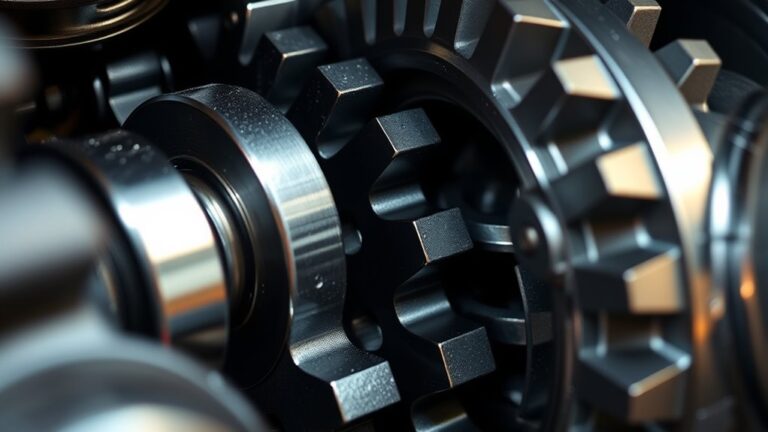
Electric vehicles rely on reduction gears to boost efficiency and performance. These gears help manage the high torque produced by electric motors, allowing your car to accelerate smoothly.
You’ll find various reduction gear types, including planetary gears and helical gears, each designed for specific performance needs. By refining the gear ratio, these systems ensure that power transfer from the motor to the wheels is both effective and efficient.
With a well-designed reduction gear, your electric vehicle can maintain peak speed without straining the motor. This not only improves your driving experience but also helps with better energy consumption.
When you press the accelerator, the reduction gears automatically adjust to provide the necessary torque. This ensures you get the most out of your electric car’s capabilities.
Understanding these components helps you appreciate the engineering that makes electric vehicles both powerful and efficient.
The Benefits of Single-Speed Transmissions
Single-speed transmissions make driving your electric car feel a lot simpler and more straightforward. It’s like having fewer things to worry about, so you can just enjoy the ride without fussing over shifting gears.
They also help your car run more efficiently by delivering power smoothly and cutting down on energy waste. And since there are fewer moving parts, you’ll likely spend less on maintenance in the long run, which is always a plus for your wallet.
Simplified Driving Experience
When you drive an electric car, the experience is delightfully simple thanks to single-speed transmissions. You won’t have to worry about shifting gears, making your ride more enjoyable. Here are a few benefits you can expect:
- Simplified Controls: With fewer parts, you can focus on driving without the hassle of complex gear changes.
- Intuitive Interfaces: Most electric vehicles come with user-friendly dashboards, so it’s easy to access essential info.
- Smooth Acceleration: Enjoy consistent power delivery that makes for a seamless drive from start to finish.
This streamlined approach not only boosts your comfort but also makes electric vehicles more accessible. It lets you concentrate on the journey ahead without distractions.
Enhanced Efficiency Performance
By eliminating the need for multiple gears, single-speed transmissions greatly boost efficiency in electric cars. This design delivers power directly to the wheels, which reduces energy loss during gear changes.
It also simplifies torque management, allowing for instant acceleration and a smoother driving experience. Plus, with fewer parts, these systems are lighter and easier to maintain.
Fewer components mean less energy is used to operate the system, helping to maximize your electric vehicle’s range and overall performance. You’ll enjoy a more responsive ride while making the most of your battery.
Reduced Maintenance Costs
Since electric cars have single-speed transmissions, you’ll enjoy much lower maintenance costs. This simple setup means fewer moving parts, which brings several benefits:
- Reduced Wear and Tear: Without complex gear systems, there’s less mechanical stress, helping your battery last longer.
- Fewer Repairs: The straightforward design means fewer breakdowns, so you’ll spend less on repairs.
- Cost Savings: With lower maintenance needs, you can put your money toward other things and make owning your car more enjoyable.
Comparing Electric Vehicle Gears to Traditional Car Gears
While traditional cars rely on complex multi-speed transmissions to manage power and efficiency, electric vehicles (EVs) simplify this with their single-speed gear systems. This straightforward design allows for seamless torque delivery, giving you instant acceleration without the lag of shifting gears.
In a conventional car, you might find yourself switching between gears, which can impact performance and fuel efficiency. EVs, on the other hand, provide a smooth driving experience where the electric motor delivers power directly to the wheels.
The simplicity of a single-speed system reduces the number of moving parts, meaning less wear and tear over time. You won’t need to worry about clutch replacements or transmission fluid changes.
This streamlined setup not only boosts efficiency but also makes driving more enjoyable. It lets you focus on the road instead of the mechanics of shifting. Electric vehicles truly redefine what driving can feel like.
How Electric Motors Influence Gearing Performance
Electric motors greatly improve gearing performance in electric vehicles, making responsiveness and efficiency stand out. Their unique features boost several important aspects of driving:
- Torque Delivery: Electric motors give you instant torque, so you get quick acceleration and smoother gear engagement. It feels like a more direct connection to the road.
- Motor Efficiency: High efficiency means better power transfer, reducing energy loss and extending your range. Your vehicle performs consistently, no matter the conditions.
- Speed Adaptation: Electric motors adjust quickly to changes in speed, making driving smoother. This, along with good thermal management and noise reduction, results in a quieter, more comfortable ride.
How Gear Ratios Affect Electric Vehicle Performance
The performance of electric vehicles (EVs) is greatly influenced by gear ratios, which determine how power from the electric motor translates into speed and acceleration. By optimizing gear ratios, you can maximize torque delivery, allowing your EV to accelerate quickly and efficiently.
For example, a lower gear ratio provides better torque at low speeds, making quick starts and hill climbing easier. On the other hand, a higher gear ratio is perfect for maintaining speed on highways and improving overall efficiency.
Understanding gear ratio optimization helps you get the most out of your EV’s capabilities. When the gear ratios match the electric motor’s characteristics, your driving experience becomes smoother with better acceleration and performance.
Optimizing gear ratios enhances your EV’s performance, ensuring a smoother ride with improved acceleration tailored to your driving style.
This balance between torque and speed is essential for everyday driving and spirited fun alike. Ultimately, choosing the right gear ratios can transform your driving experience, making your EV not just efficient but enjoyable to drive.
How Regenerative Braking Enhances EV Efficiency
Regenerative braking really is a game-changer for electric vehicles. Basically, it lets you recover energy when you’re slowing down or stopping, which is pretty cool. Instead of wasting that energy as heat like in traditional brakes, your EV captures it and puts it back into the battery.
This process doesn’t just help with efficiency—it also means you can go further on a single charge. When you’re driving around town or on longer trips, that extra bit of energy recovery adds up. So, in a way, regenerative braking helps your EV become more efficient and extends your driving range, making every trip a little easier and more economical.
Key Principles Explained
Harnessing energy efficiently is key to getting the most out of your electric vehicle (EV), and regenerative braking is a big part of that. It helps turn the energy from deceleration back into usable power, boosting the overall efficiency.
Here’s how it works:
Specialized gear designs help deliver smooth torque during braking, making energy recovery more effective. When you slow down, the electric motor switches to generator mode and converts motion into electrical energy.
That recovered energy is then fed back into the battery, which extends your driving range and means fewer stops for charging. This system not only saves energy but also helps your battery last longer, making your EV experience even better.
Energy Recovery Mechanism
Efficient energy recovery is key to getting the most out of your electric vehicle’s performance. When you hit the brakes, regenerative systems kick in, turning kinetic energy back into stored electricity.
Instead of wasting energy as heat, your EV captures it, refills the battery, and boosts overall efficiency.
This process also reduces wear on your brake pads and makes for a smoother drive. You’ll see your range improve thanks to the energy recovery system.
By understanding how regenerative braking works, you can tweak your driving habits for even better efficiency.
Using these features helps you maximize every charge, making your EV a smarter choice for both you and the environment.
Impact on Range
While you’re driving an electric vehicle, understanding how regenerative braking boosts your range can really make a difference. This system captures energy during braking and feeds it back into the battery, helping you use less energy overall and easing range anxiety.
Here’s how it works:
- Energy Recovery: Regenerative braking turns kinetic energy into stored energy, which helps you go further on each charge.
- Enhanced Efficiency: By recapturing energy that would normally be lost, you get more mileage out of every drive.
- Reduced Wear: Using regenerative braking also cuts down on traditional brake wear, saving you money on maintenance.
Do Any EVs Use Multi-Speed Transmissions?
Have you ever wondered if electric vehicles (EVs) need multi-speed transmissions? While many EVs use a single-speed transmission, some manufacturers are trying out multi-speed systems to boost performance and efficiency. These transmissions can help optimize power delivery, especially at higher speeds.
Here’s a quick look at some EVs that use multi-speed transmissions:
| EV Model | Transmission Type |
|---|---|
| Porsche Taycan | 2-speed automatic |
| Rimac C_Two | 2-speed automatic |
| Tesla Roadster | 2-speed automatic |
| Audi e-tron GT | 2-speed automatic |
Using multi-speed systems helps these vehicles get better acceleration and make more efficient use of energy. Most EVs, though, run just fine with a single-speed setup thanks to the instant torque from their electric motors.
In the future, multi-speed transmissions could become more common as technology develops.
Future Innovations in Electric Vehicle Gearing Systems
When you start exploring the future of electric vehicle gearing systems, you’ll see some pretty exciting advancements coming up. Things like multi-speed transmissions and improvements in direct drive efficiency are really changing the game. These upgrades aren’t just tech talk—they actually mean better performance and longer driving ranges for EVs.
Imagine smoother acceleration, quicker response times, and less energy waste—that’s what these innovations aim to deliver. It’s fascinating to think about how these developments could make your driving experience even more enjoyable and practical.
Multi-Speed Transmission Advances
Although electric vehicles (EVs) have largely relied on single-speed transmissions, advancements in multi-speed systems are set to change their performance. Exploring different transmission types can give you access to big multi-speed benefits, such as:
- Improved Efficiency: Multi-speed transmissions can maximize power delivery, making your EV work more efficiently.
- Better Acceleration: With multiple gear ratios, you’ll experience quicker acceleration, making driving more fun.
- Enhanced Range: By keeping RPMs in the ideal range, multi-speed systems can help extend your EV’s range for longer trips on a single charge.
These innovations aim to improve your driving experience, turning electric cars into vehicles that are not just practical but also exciting. As technology advances, more manufacturers are expected to adopt these systems in their designs.
Direct Drive Efficiency Trends
While multi-speed transmissions are making some exciting progress, direct drive systems are really gaining popularity for their impressive efficiency in electric vehicles. With fewer moving parts, they cut down on mechanical losses, which boosts gear efficiency.
This simple setup means smoother acceleration and less maintenance, making it attractive for both car makers and drivers. As technology advances, we can expect better motor designs and smarter software to make direct drive even more effective.
You’ll also see improvements in regenerative braking systems, helping to recover more energy while using direct drive. These trends point toward sleeker vehicles that focus on efficiency, giving you a more responsive driving experience.
Choosing direct drive technology means more range and less energy wasted. It’s paving the way for a future where electric mobility is more efficient and enjoyable.
Frequently Asked Questions
Can Electric Cars Tow Heavy Loads Effectively?
Yes, electric cars can tow heavy loads effectively, but it really depends on the model’s towing capacity. Be sure to check the manufacturer’s specifications to see if it meets your needs.
Proper weight distribution is key to safe towing. Make sure the load is balanced to avoid putting too much strain on the vehicle.
Many electric cars come with advanced torque and power, making them capable of handling heavy loads. Plus, they can offer a smooth towing experience.
How Does Weather Affect Electric Vehicle Gear Performance?
Weather can really affect how well your electric vehicle’s gears work. In cold weather, your battery might not perform as well, which can make your gears shift less smoothly.
Rain or snow can also reduce traction, making it harder for your EV to keep up its gear performance. And super hot days can cause overheating, putting extra strain on the system.
Do Electric Cars Have a Clutch System?
No, electric cars don’t have a traditional clutch system like gas vehicles. Instead, they use an electric drivetrain that delivers power directly to the wheels.
This setup eliminates the need for clutch functionality, making for smoother acceleration and deceleration. You won’t need to worry about shifting gears or pressing a clutch pedal.
It’s all about a simpler, more straightforward driving experience. Enjoy the ease of electric driving!
What Maintenance Do Electric Vehicle Gears Require?
Electric vehicle gears require minimal maintenance compared to traditional cars, about 90% less! To keep your gear running smoothly, regularly check the transmission fluid and look for any leaks.
Make sure to follow the manufacturer’s guidelines for any adjustments that might be needed. Keeping the cooling system in good shape also helps maintain peak performance.
With these simple tips, you’ll help ensure your electric vehicle runs efficiently and smoothly for years to come.
Are There Any Performance Drawbacks to Single-Speed Transmissions?
Yes, there can be performance drawbacks to single-speed transmissions. While they make driving simpler and improve torque delivery, you might notice efficiency issues at higher speeds.
Without multiple gear ratios, acceleration and top speed can be limited in certain situations. If you often drive in varied conditions, a multi-speed system might give better performance and adaptability.
This way, you can get the most out of your electric vehicle no matter where you’re driving.
Conclusion
So, while you might miss the thrill of shifting gears like in a traditional car, let’s be honest: who needs that when you can zoom off in silence? Electric vehicles are redefining the driving experience with their efficient single-speed transmissions and fancy reduction gears.
Forget about juggling clunky gear sticks; adopt the future where your biggest decision is whether to blast your favorite playlist or enjoy the hum of electric bliss.
Electric cars typically don’t have multiple gears like traditional cars. Instead, they use a simple, single-speed transmission that makes driving smoother and more straightforward.
This gear-less setup is part of what makes electric vehicles so efficient and quiet. So, if you’re wondering what gears an electric car has, the answer is usually just one—making the ride simpler and more enjoyable.
Welcome to the gear-less transformation!