How Do You Charge a Portable Battery Charger?
Ever find yourself frustrated when your portable battery charger runs out of juice at the worst moment? You’re not alone—many people struggle with keeping their chargers ready to go when they need them most. Knowing how to properly charge your portable battery charger can make a big difference in how reliable it is.
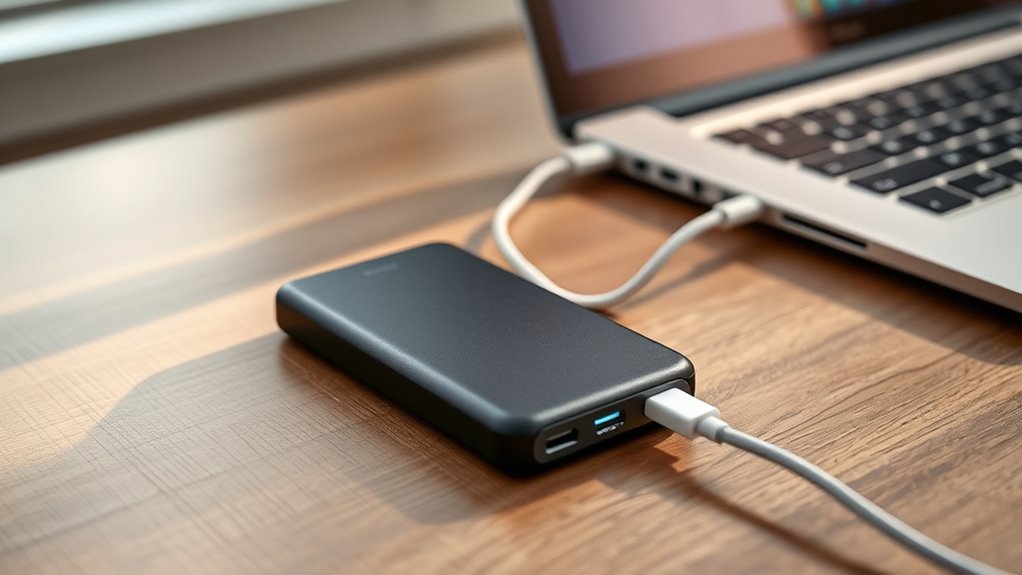
To charge a portable battery charger, you’ll need the right cables and a power source. Use the manufacturer’s recommended cables, ensuring they fit your charger’s and device’s ports.
Plug it into a wall charger, preferably with safety features like overcharge protection. Keep the charger in a cool, dry spot and unplug it once fully charged to maintain battery health.
This simple process can improve your device’s reliability—stick around to find out more tips for ideal charging!
Key Takeaways
- Use the manufacturer’s recommended charging cables to ensure safe and efficient charging of your portable battery charger.
- Charge in a cool, dry place and unplug once fully charged to prevent overcharging and damage.
- Choose a wall charger with sufficient output that matches or exceeds your battery charger’s input needs for optimal charging speed.
- Regularly maintain battery levels between 20% and 80% to enhance the longevity and reliability of your portable charger.
- Consider alternative charging methods like solar panels for sustainable and versatile charging options outdoors.
How Do You Charge a Portable Battery Charger?
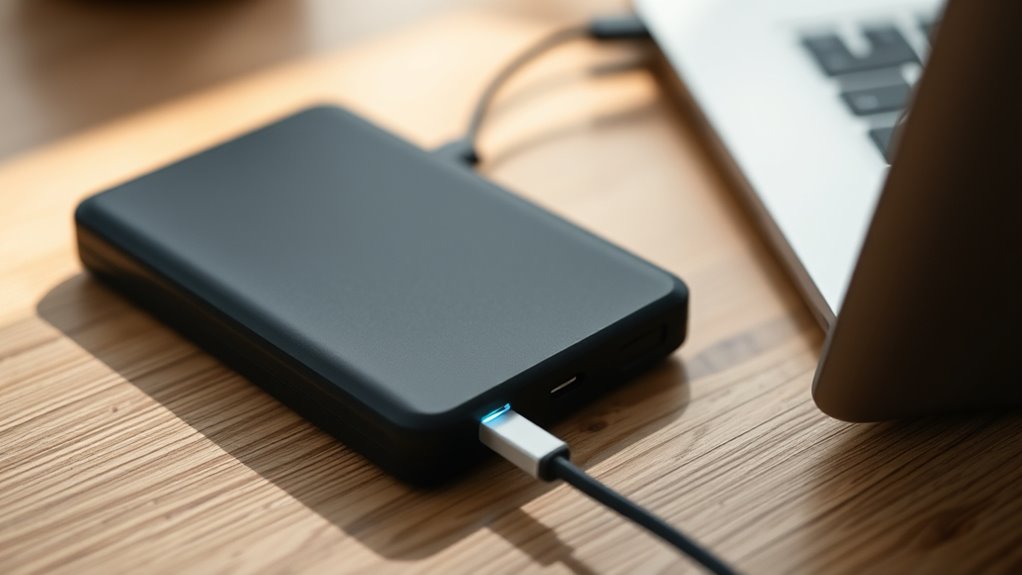
Keep your charger in a cool, dry place while it charges, as heat can negatively impact battery performance. If you notice any swelling or damage, stop using it immediately.
Remember to use the manufacturer’s recommended charging cables for safety and efficiency. By following these simple steps, you’ll keep your portable battery charger reliable and help it last a long time.
What Types of Charging Cables Are Compatible?
When choosing a charging cable for your portable battery charger, it’s important to check if it’s compatible with your device. Different cable types can impact how well your charger works.
Here are some key compatibility factors to keep in mind:
- USB-A to Micro-USB: Common for many older smartphones and gadgets.
- USB-C: Growing in popularity for newer devices, and it offers faster charging.
- Lightning Cable: Made for Apple devices, ensuring smooth charging.
- USB-A to USB-B: Used with some older portable chargers and devices.
Make sure the cable matches the port on your charger and device. Checking specifications ahead of time can save you trouble later. Always go for quality cables to ensure safe and efficient charging.
Using Wall Chargers for Your Portable Battery
When you’re using wall chargers for your portable battery, it’s really important to choose the right one. You want to think about how quickly it can charge your device and also keep safety in mind. After all, a good charger can make your life so much easier!
Let’s look at some tips to help you get the most out of your charging experience and keep everything safe and efficient.
Choosing The Right Charger
Choosing the right wall charger for your portable battery can really impact how fast and efficiently it charges. Here’s what to keep in mind:
- Charger Types: Look for reliable options like USB-C or Quick Charge to get the best performance.
- Power Output: Make sure the charger matches or exceeds your battery’s input needs for optimal charging speed.
- Compatibility: Check that the charger works with your device’s battery capacity; a mismatch can make charging slow.
- Safety Features: Choose chargers with built-in protections like overcharge and short-circuit prevention to keep your battery safe.
Charging Time Considerations
While the type of wall charger you use plays a crucial role in charging time, several other factors also influence how quickly your portable battery gets powered up. Charging efficiency is key; a higher wattage charger can reduce your charging time significantly.
But keep in mind that using an incompatible charger may lead to slower charging or even damage your battery. It’s also important to consider how many devices are connected to the charger, as this can affect overall performance.
To help your battery last longer, avoid overcharging and let it drain a bit before recharging. Understanding these factors will help you optimize your charging experience and keep your portable battery ready whenever you need it.
Safety Tips And Precautions
To keep your portable battery charger safe and working well, always use a compatible wall charger. Following these tips can help prevent damage and make your device last longer.
- Check Voltage: Make sure the wall charger’s voltage matches what your portable charger needs.
- Inspect Cables: Look over the charging cable for any fraying or damage before plugging in.
- Avoid Overcharging: Unplug the charger once your device is fully charged to avoid overheating.
- Keep Dry: Always charge your battery in a dry place to prevent moisture-related problems.
How Long Will It Take to Charge Your Portable Charger?
Have you ever wondered how long it takes to charge your portable charger? The answer depends on two main factors: charging speed and battery capacity.
Charging speed varies based on the charger’s output and the cable you use. If you’ve got a high-output charger, you’ll see faster results.
Charging speed depends on your charger’s output and the cable, so opt for a high-output charger for quicker results.
Battery capacity, measured in milliamp-hours (mAh), also plays a big role. A 10,000 mAh charger will take longer to charge than a 5,000 mAh one.
Generally, a portable charger with a lower capacity can fully recharge in about 3 to 5 hours. Higher-capacity models might need 6 to 10 hours.
To get a better idea, check the specifications of your charger and the one you’re using to charge it. Keep in mind that a higher charging speed can significantly cut down your wait time.
Choosing the right setup is key to quick charging and less downtime.
Tips for Maintaining Your Portable Charger’s Battery
Want to keep your portable charger working like a champ? Just a few simple maintenance tips can make a big difference. For starters, using the right charging techniques and storing it properly can really help it last longer. And don’t forget—regular cleaning is important too, so it stays in tip-top shape and works efficiently whenever you need it.
Optimal Charging Techniques
While keeping your portable battery charger in top condition might seem simple, using the right charging techniques can really help it last longer. Focusing on efficiency and smart technology can boost its performance and lifespan.
Here are some tips to keep in mind:
Use the Right Cable: Always go for the cable recommended by the manufacturer for the best charging results.
Avoid Overcharging: Unplug the charger once it’s fully charged to prevent damaging the battery.
Charge Regularly: Keep the battery level between 20% and 80% for optimal health.
Keep It Cool: Make sure your charger stays in a cool place during charging to avoid overheating.
Following these tips will help you get the most out of your portable charger!
Storage Conditions Matter
Proper storage conditions play a significant role in maintaining your portable charger’s battery life. Ideally, keep your charger in a cool, dry place because temperature can really impact performance.
Extreme heat or cold can reduce capacity and shorten the battery’s lifespan. High humidity levels can also cause damage, like corrosion or harm to internal parts.
When you’re not using your charger, store it for a short time. If you leave it unused for a long period, the battery might drain or degrade.
To keep it working well, check the charge level periodically and recharge if needed. Following these simple tips will help ensure your portable charger stays reliable when you need it most.
Regular Cleaning Practices
- Wipe Down: Use a soft cloth to regularly remove dust and grime from the surface. It keeps your charger looking clean and functioning well.
- Inspect Ports: Check the charging ports for debris. Gently clean them using a dry brush or compressed air to keep connections secure.
- Monitor Cleaning Frequency: Aim to clean your charger every few weeks. Do it more often if it’s exposed to dirt or moisture.
- Avoid Harsh Chemicals: Stick to mild cleaners. Harsh substances can damage the charger’s finish and reduce its lifespan.
Troubleshooting: What to Do If Your Charger Won’t Charge?
Have you ever found yourself stuck with a portable battery charger that just won’t charge? First, check the charging cable and adapter. Worn-out cables often cause charging issues, so try a different cable to see if that helps.
Next, look at the battery indicators on your charger. If they’re not lighting up, your charger might need a reset or could be beyond repair.
Make sure the charger’s ports are clean and free from debris, since dirt can block the connection. If you’re using a wall outlet, test it with another device to confirm it’s working.
Finally, think about the age of your charger. Older models may lose their ability to hold a charge. If you’ve tried everything and it still won’t charge, it might be time to get a new one. Don’t let a faulty charger leave you powerless!
Alternative Charging Methods for Portable Chargers
When you’re out and about, it’s really handy to know different ways to charge your portable charger. Sometimes, plugging into an AC outlet is quick and easy, especially if you’re at a café or airport. But other times, you might need to get creative.
One cool option is using solar power—just leave your charger in the sun, and it’ll soak up the energy. And if you have a USB-C port, you can take advantage of fast charging to get a quick power boost when you’re in a rush. Exploring these alternatives means you’ll always have a backup plan, so you stay connected no matter where you are.
Solar Charging Options
While traditional outlets are often the go-to for charging your portable battery charger, solar charging options offer a sustainable and convenient alternative. With the right portable solar setup, you can harness the sun’s power anywhere.
Here are four key benefits of solar charging:
- Eco-Friendly: Reduces reliance on fossil fuels and lowers your carbon footprint.
- Portability: Lightweight and easy to carry, portable solar panels fit seamlessly into your outdoor adventures.
- Solar Efficiency: Modern panels are designed to maximize energy capture even in less-than-ideal conditions.
- Cost-Effective: Once you invest in a portable solar charger, you can enjoy free energy for years to come.
Embracing solar options not only powers your devices but also helps support a greener planet.
AC Outlet Connection
AC outlet connections are one of the most reliable ways to charge your portable battery charger. You’ll find various outlet types, including standard wall outlets and power strips, which can efficiently power up your device.
Using an AC outlet generally offers better charging efficiency compared to other methods, allowing you to quickly replenish your battery’s power. Simply plug your charger into the outlet, connect your device, and watch it charge.
Make sure to check the voltage and compatibility of your charger to avoid any issues. This method is especially useful when you need a fast and dependable charge, like at home or in the office.
USB-C Fast Charging
If you’re looking for a speedy and versatile way to charge your portable battery charger, USB-C fast charging is a fantastic option. Here are some benefits and advantages you’ll appreciate:
- Rapid Charging: Power up your charger in a fraction of the time compared to standard methods.
- Universal Compatibility: USB-C works with multiple devices, so you need fewer cables.
- Reversible Design: No more fumbling with connectors—plug it in either way.
- Higher Power Output: Enjoy more efficient charging, especially for larger devices.
Why Do You Need to Charge Your Portable Charger?
Charging your portable charger is important because it keeps you powered when you need it most. Today, we rely heavily on our devices. Whether you’re using your phone for navigation, streaming, or staying connected, a dead battery is the last thing you want.
Knowing how much charge your portable charger has can make a big difference. If it’s not charged, you might find yourself stranded, especially during emergencies or long trips.
Regularly charging your portable charger ensures you’re always prepared. This way, your devices stay running smoothly without interruptions. Don’t let a low battery ruin your day—stay proactive.
Best Practices for Charging Your Portable Battery?
While you might think all charging methods are the same, adopting best practices for charging your portable battery can greatly improve its performance and lifespan. Here are some key tips to boost your battery capacity and charging efficiency:
- Use the Right Charger: Always choose a charger that matches your battery’s specifications. This helps prevent overloading and potential damage.
- Avoid Full Discharges: Try not to let your battery drop below 20%. Regular deep discharges can shorten its overall lifespan.
- Charge in a Cool Environment: Heat can harm battery cells, so keep your charger in a cool place while charging.
- Unplug After Fully Charged: Leaving it plugged in too long can cause unnecessary wear. Unplug once it’s fully charged.
Can You Use Solar Chargers for Your Portable Battery?
Using solar chargers for your portable battery can be a game-changer, especially when you’re on the go. These chargers harness sunlight to recharge your devices, making them perfect for camping trips or long hikes.
However, to get the most out of them, consider solar panel efficiency. Higher efficiency means quicker charging, so look for chargers that offer at least 20% efficiency.
Make sure your portable battery is compatible with solar chargers. Most modern power banks support this, but it’s always a good idea to double-check.
You’ll also want to verify that the wattage output of the solar panel matches your battery’s input requirements.
Keep in mind that charging times depend on sunlight intensity and panel efficiency. If you’re in a shaded area, you might not get the best results.
Frequently Asked Questions
Can I Charge a Portable Charger While Using It?
Yes, you can charge a portable charger while using it, but it’s not always the best idea. Charging methods can vary, so check your device’s specifications.
If you do this, keep an eye on the charging speed; it might be slower. For the best performance, consider using your portable charger when it’s fully charged.
A few tips: avoid overloading it with too many devices and make sure it’s in a cool environment. This helps prevent overheating and keeps your portable charger working well.
What Should I Do if My Charger Gets Hot?
If your charger gets hot, don’t sweat it—just take a step back. First, unplug it and let it cool down, as heat management is essential for safety.
Avoid using it until it returns to a normal temperature. Also, keep it in a well-ventilated area while charging and never cover it.
Always follow safety precautions to prevent overheating. Remember, a little care goes a long way in keeping your devices safe!
Are There Any Risks to Overcharging My Portable Charger?
Yes, there are risks to overcharging your portable charger. Overcharging can cause it to overheat, which might damage the battery and reduce its lifespan.
You might also notice that the charger doesn’t perform as well over time. To avoid these issues, it’s best to unplug your charger once it’s fully charged.
Keeping an eye on it helps ensure you get the most out of your device and keep it running efficiently for longer.
Can I Use My Phone Charger for the Portable Charger?
Yes, you can usually use your phone charger for the portable charger, as long as they have compatible charging ports.
Most chargers use USB connections, so check the type of charger you have. Using the right charger ensures efficient charging and helps prevent any potential damage.
Just keep in mind that different charger types might affect how fast your portable battery charges, so it’s best to stick with a charger designed for your portable charger whenever possible.
How Often Should I Charge My Portable Battery?
You should charge your portable battery regularly to keep it working well and last longer. Aim to do this once every few weeks, even if you haven’t used it much.
This helps keep the battery healthy and ready to go when you need it. If you notice it’s losing charge quickly, try charging it more often.
Conclusion
Charging your portable battery charger is a breeze, and keeping it topped up guarantees you’re never left in a lurch. Imagine being on a camping trip, your phone’s about to die, but you’ve got a fully charged portable charger ready to go.
You won’t have to scramble for an outlet or miss capturing that perfect sunset. By following simple best practices and exploring alternative charging methods, you’ll always stay connected, no matter where your adventures take you.
To charge your portable battery charger, connect it to a power source using the appropriate cable, usually a USB or wall adapter. Just plug it in and let it charge until the indicator shows it’s full.
Some portable chargers can even be charged via solar panels or car chargers, giving you more options when you’re off the grid. Keeping your portable battery charger charged is easy and ensures you’re never without power when you need it most.