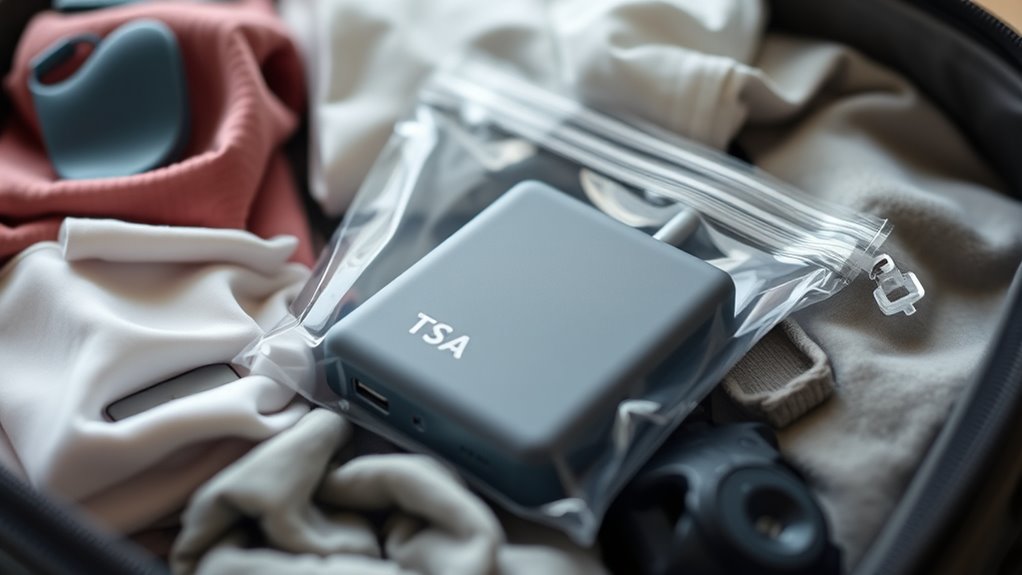
How to Bring a Portable Battery Charger on a Plane
Traveling with a portable battery charger can be tricky, and many people struggle to navigate airline rules. You’re not alone in feeling confused about what’s allowed onboard. Ensuring your charger is safe and compliant is key to a smooth trip.
To bring a portable battery charger on a plane, make sure it’s under 100 watt-hours (Wh). Keep it in your carry-on, not checked luggage, and check your airline’s specific rules.
Multiple chargers are fine, but watch the total watt-hours. Always pack chargers in an easy-to-access spot and charge them fully before your trip.
Remember, there might be more details to help you navigate the regulations smoothly.
Key Takeaways
- Make sure your portable charger is under 100 watt-hours (Wh) so you won’t need airline approval for carry-on.
- Pack your charger in your carry-on luggage because checked bags aren’t allowed for portable chargers.
- Check your airline’s specific rules about battery size and how many chargers you can bring.
- Choose lightweight lithium-ion chargers with enough milliampere-hours (mAh) to power your device.
- Use good-quality cables and keep your charger in a protective case to avoid damage during travel.
What Are the TSA Regulations for Portable Chargers?
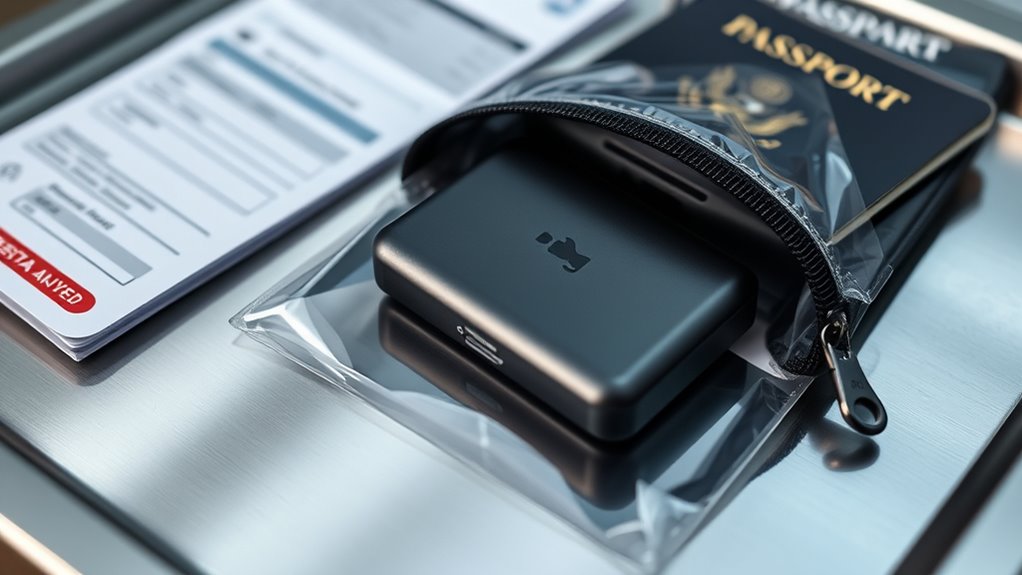
When you’re packing for a flight, it’s important to know the TSA rules for portable chargers. The TSA says your charger should be under 100 watt-hours (Wh) to carry in your carry-on bag. This usually covers most common batteries, like lithium-ion ones in many devices.
If your charger is over 100 Wh but less than 160 Wh, you might need airline approval before bringing it on board. Keep in mind, you can take multiple chargers, but the total watt-hours must stay within these limits.
It’s also a good idea to make sure your devices are easy to reach during screening. TSA agents might want to inspect them, so accessibility helps. Also, check your airline’s rules because some airlines may have extra restrictions.
Knowing these guidelines can save you time and stress at security. It helps you travel smoothly and with peace of mind.
How to Measure Your Portable Charger’s Capacity
Understanding your portable charger’s capacity is key for smooth travel. To figure out how much energy it holds, check the milliampere-hour (mAh) rating on your charger. That number shows how much power it can store and give out.
Generally, a higher mAh means more charges for your devices. Here’s a quick look at common charger sizes:
| Charger Type | Average mAh Range |
|---|---|
| Small Chargers | 1,000 – 5,000 mAh |
| Medium Chargers | 5,000 – 20,000 mAh |
| Large Chargers | 20,000+ mAh |
Next, think about your device’s battery size. For example, if your phone has a 3,000 mAh battery, a 10,000 mAh charger can recharge it about three times. Always double-check that your charger’s capacity matches your travel needs and devices.
Do Airlines Have Different Rules for Battery Chargers?
Which rules apply to battery chargers on flights? Yes, airlines do have different regulations regarding battery types, especially lithium-ion batteries. Here’s what you need to know for airline comparisons:
Most airlines allow chargers up to 100Wh without approval. If your charger is between 100Wh and 160Wh, you’ll likely need airline approval before flying.
You can only bring a limited number of spare batteries, so check your airline’s quantity restrictions. Most airlines also require you to pack your charger in your carry-on luggage, not checked bags.
Make sure your charger is compatible with your devices and fits within the airline’s rules. Always check your airline’s specific guidelines before flying to avoid surprises at the airport.
Understanding these rules will help you travel smoothly and keep your devices powered throughout your journey.
Tips for Packing Your Portable Charger for Travel
When you’re getting ready to pack your portable charger for travel, the first thing to do is check your airline’s rules. You don’t want any surprises at security, right? It’s always better to be prepared and avoid any hassle.
Next, think about going for a compact design. Something small and light that fits comfortably in your bag. That way, you save space and keep things easy to carry around. And don’t forget—always pack it in your carry-on bag. That way, you can access it easily during your flight and keep it safe from rough baggage handling.
Check Airline Regulations
Before you pack your portable charger, it’s important to check your airline’s regulations since each carrier has specific rules about battery capacity and where you can carry them. Knowing these guidelines can help you avoid delays and surprises at the airport.
Make sure to understand what type of battery your charger uses, like lithium-ion or others. Also, check the voltage limits allowed by your airline, as most have a maximum voltage you can carry.
Look at the watt-hour rating of your charger, which is usually capped at 100Wh. Many airlines require these devices to go in your carry-on luggage only, so plan accordingly.
Some chargers might need prior approval before you travel, so it’s a good idea to check with your airline ahead of time. Staying informed makes traveling smoother and stress-free.
Choose Compact Design
Choosing a compact design for your portable charger can really improve your travel experience. Pick chargers that easily fit in your bag without taking up too much space.
Look for lightweight materials like high-quality plastics or aluminum. This helps keep the weight down while making sure your charger is durable.
A smaller, sleek charger is easier to handle and less likely to get tangled in your belongings. Plus, it’s more convenient to carry around.
Consider chargers with built-in cables or multiple ports. These features boost convenience without adding bulk.
Pack in Carry-On
Packing your portable charger in your carry-on is key to easy access during your flight. It makes travel more convenient and keeps your battery safe, since most airlines want chargers to be stored in the cabin.
Here are some tips for packing your charger:
- Keep it in a designated pocket. This helps prevent damage and makes it simple to find when you need it.
- Use a protective case. A case can shield your charger from impacts and keep it in good shape.
- Remove cables and accessories. Storing these separately avoids tangles and keeps everything organized.
- Check airline regulations. Different airlines have specific rules about battery capacity, so review theirs before packing.
- Charge it before traveling. Make sure your charger is fully charged so it’s ready when you need it during your trip.
Safety Tips for Using Portable Chargers at Airports
When you’re at the airport, it’s a good idea to double-check your airline’s rules about carrying portable chargers. Some airlines have specific guidelines, so it’s better to be safe than sorry.
Also, before you head to the airport, make sure your portable charger is fully charged. You’ll want it handy to keep your devices powered up during your journey, especially if your flight gets delayed or you’re waiting in long lines.
Staying informed and prepared can really save you from any last-minute surprises. It makes your travel experience much smoother and stress-free!
Check Airline Regulations
Before you head to the airport, it’s important to know airline regulations about portable battery chargers. Different airlines might have their own rules, especially for battery types and international travel.
Check the capacity of your charger. Most airlines limit it to 100Wh or less. It’s a good idea to verify this before packing.
Know what kind of battery you have. Lithium-ion batteries are often restricted or regulated more strictly.
Always double-check your airline’s specific policies, as they might have extra guidelines you need to follow.
Remember to keep chargers in your carry-on bag, since many airlines require this for safety reasons.
And finally, stay updated on regulations, because rules can change. Confirm these details before you travel to avoid surprises.
Following these tips will make your airport experience smoother and hassle-free.
Keep Charged and Ready
Keeping your portable charger charged and ready is key for a smooth airport experience. To make your travel easier, follow these safety tips for battery care:
| Tip | Description |
|---|---|
| Charge Before Travel | Make sure your portable charger is fully charged before you leave. |
| Use Quality Cables | Invest in good cables to avoid damage and ensure efficient charging. |
| Avoid Overheating | Keep your charger out of hot places, as heat can reduce its performance. |
| Check Airport Policies | Some airports have specific rules about using charging stations. |
Can You Use Your Charger During the Flight?
Ever wondered if you can use your portable charger during a flight? The answer is usually yes, but it’s important to know the rules to keep your battery safe and use it properly on board. Here’s what you should keep in mind:
Check Airline Policies: Different airlines may have their own rules about in-flight charging. It’s a good idea to verify before you fly.
Use Approved Chargers: Make sure your charger is airline-approved. Some brands or types might be restricted, so double-check.
Avoid Overheating: Don’t use your charger if it’s getting too hot, as that could be a fire hazard.
Keep It Charged: Make sure your portable charger is fully charged before your flight so you don’t run out of power when you need it.
Respect Power Outlets: Use in-seat power outlets only if they’re available and permitted by the airline.
What to Do If Your Portable Charger Is Confiscated?
What should you do if your portable charger gets confiscated at the airport? First, stay calm. Remember that airport security has specific rules based on battery capacity and safety regulations.
Politely ask the security personnel why your charger was taken. This can give you helpful information for the future.
If you think the confiscation was unfair, ask about the appeal process. You might be able to submit an appeal or get your device back if it meets safety standards.
Be sure to gather any documents you might need, like receipts or charger specifications, to support your case.
How to Choose the Right Portable Charger for Your Needs
How do you figure out which portable charger is right for you? Start by thinking about a few key things that can really improve your charging experience.
First, look at the battery type. Lithium-ion batteries are lightweight and efficient, making them a popular choice.
Next, consider the capacity. Make sure it has enough mAh to fully charge your devices without running out of power.
Charging speed is also important. If you’re often in a rush, pick a charger that supports fast charging.
Size and weight matter if you plan to carry it around. Check that it’s compact enough for your travel needs.
Finally, look at the ports and compatibility. Having multiple ports and ensuring it works with your devices can make things much easier.
Alternatives to Portable Chargers When Traveling
While portable chargers are super handy, there are other options you can try when you’re on the go. One great choice is a solar charger. These eco-friendly devices use sunlight to power your gadgets, making them perfect for outdoor adventures. Just put the solar panel in the sun, and you’ll have a steady charge without needing an outlet.
You can also look for charging stations at airports, cafes, and other public spots. Many places now offer USB ports or power outlets, so keep an eye out for them. Bringing a lightweight power bank that uses your device’s battery more efficiently can also help extend your usage without relying on traditional chargers.
Lastly, think about investing in a multi-device charger. It can power several gadgets at once, which helps keep things simple and reduces the number of cords you need to carry.
Keeping Your Devices Charged on Long Flights
When you’re on a long flight, making sure your devices stay charged is pretty important. No one wants their phone or tablet dying right when they need it the most, right? So, it’s a good idea to check out the airline’s rules and see what kind of charging options they offer onboard.
Let’s dive into how you can keep your gadgets powered up for the entire trip.
Airline Regulations Overview
Travelers often worry about keeping their devices charged during long flights, especially with tight airline regulations surrounding portable battery chargers. Knowing the rules can help you avoid surprises at security. Here are some essential travel tips to reflect on:
Battery types: Stick with lithium-ion chargers, as they’re the most commonly accepted.
Capacity limits: Most airlines allow chargers up to 100Wh. Be sure to check with your airline for specific rules.
Carry-on only: Always pack your portable charger in your carry-on luggage, not in checked bags.
Multiple chargers: If you need more than one, verify they meet capacity guidelines.
Charging during layovers: Look for charging stations in airports to keep your devices powered between flights.
Stay informed and enjoy your journey!
Charging Options Onboard
Many passengers appreciate having options to keep their devices charged during long flights. Most airlines offer in-flight charging, but it’s important to know what to expect.
Here’s a quick overview of common battery types and charging options:
| Battery Types | In-Flight Charging Options |
|---|---|
| Lithium-ion | Seat power outlets |
| NiMH | USB ports available |
| Alkaline | Personal portable chargers |
Before your flight, check if your airline provides power outlets or USB ports, as availability varies. If you rely on your devices, bring a portable charger to stay connected.
With these options, you can enjoy your flight while keeping your devices charged.
Frequently Asked Questions
Can I Charge My Portable Charger Before Boarding?
Yes, you can charge your portable charger before boarding. Just make sure it follows the airline’s safety guidelines for charging and check the battery capacity.
Most airlines allow chargers with a capacity under 100Wh. If it’s higher, you might need special permission.
Keeping your charger fully charged is a good idea. It ensures you’ll have power for your devices during the flight, so don’t hesitate to juice it up before heading to the airport!
What Happens if My Portable Charger Overheats?
“Better safe than sorry!” If your portable charger overheats, it can pose serious risks, like damaging the charger or even starting a fire.
You should always take precautions—avoid leaving it in direct sunlight or using it while charging.
If you notice it feeling unusually hot, disconnect it right away and let it cool down.
Keeping an eye on your charger helps ensure a safer travel experience and keeps your devices protected.
Are There Size Restrictions for Portable Chargers?
Yes, there are size restrictions for portable chargers, mainly based on battery capacity. Most airlines limit lithium-ion batteries to 100 watt-hours (Wh) without needing special permission.
If your charger exceeds 160 Wh, you probably can’t bring it on the plane. Always check your airline’s specific rules before your trip, since they can vary.
Keeping your charger within these limits makes travel smoother and helps you avoid security hassles.
Can I Bring Multiple Portable Chargers on a Plane?
Imagine a treasure chest brimming with glowing gems—those are your portable chargers. You can bring multiple treasures aboard, but keep an eye on battery safety.
Most airlines allow you to carry up to two chargers with a capacity of 100Wh or less. Different charger types may have varying limits, so double-check.
Just remember, it’s wise to pack them in your carry-on, ensuring your gems stay secure during the journey.
How Do I Know if My Charger Is Airline-Approved?
To know if your charger’s airline-approved, check its battery capacity. Most airlines allow chargers with a capacity of up to 100Wh.
Look for safety regulations on the charger itself or its packaging, which usually indicate compliance. If it’s under 160Wh, you might need to inform the airline.
Always double-check specific airline policies, as they can vary. This helps ensure you stay within safe limits while traveling.
Conclusion
When you travel, staying charged is essential. By understanding TSA regulations, measuring your charger’s capacity, and knowing airline rules, you can guarantee a smooth journey.
Pack your portable charger wisely, use it safely at airports, and be prepared in case it’s confiscated. Knowing what’s allowed can save you a lot of hassle.
Choose the right charger for your needs and consider alternatives when necessary. With a little preparation, you’ll keep your devices powered and connected.
Bringing a portable battery charger on a plane is manageable when you follow the rules. This way, you’ll stay connected and enjoy a stress-free travel experience.