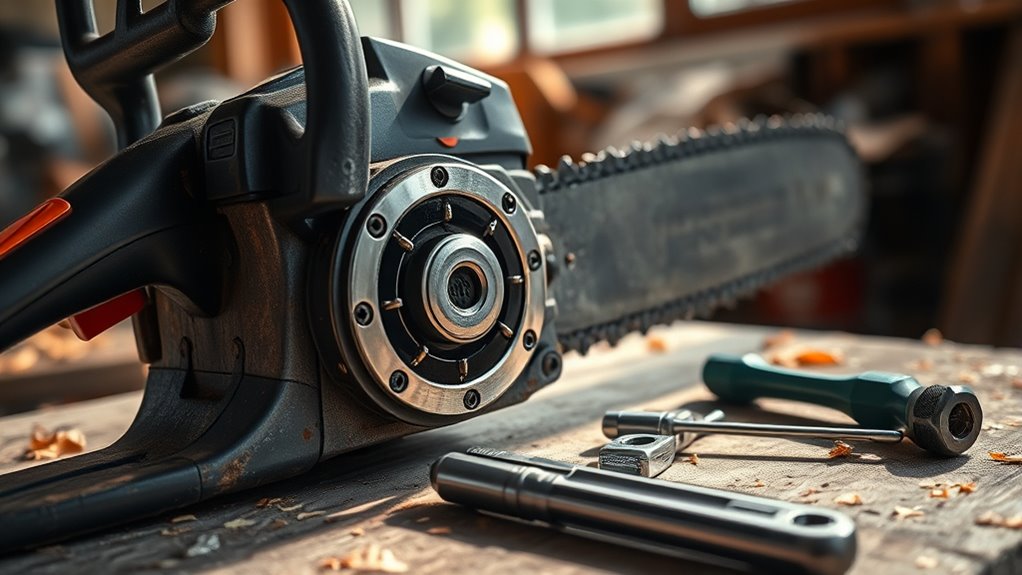
7 Simple Steps to Set Your Chainsaw Carburetor Correctly
Many chainsaw owners know the frustration of dealing with a sluggish engine or uneven cuts. If you’ve ever struggled with your chainsaw’s performance, you’re not alone. Properly setting the carburetor can make a huge difference in how well your saw runs and lasts over time.
To set your chainsaw carburetor correctly, start by familiarizing yourself with its components and adjustment screws. Warm up your saw and adjust the idle speed for smooth operation.
Next, set the low-speed mixture for steady idling, then tune the high-speed mixture for maximum power. Test your adjustments for performance.
If you encounter any issues, troubleshooting tips will help you get your chainsaw running like new, ensuring efficiency and longevity.
Key Takeaways
- Warm up the chainsaw first before making any adjustments. This helps ensure accurate tuning and better engine performance.
- Find the idle speed screw and turn it to get a smooth idle. Afterward, test how the engine responds to make sure it’s running nicely.
- Start with the low-speed mixture screw labeled “L” from the factory settings. Make small adjustments and listen for a steady idle as you fine-tune it.
- Next, tweak the high-speed mixture screw for better power. Aim for smooth operation and avoid too much smoke coming from the exhaust.
- Keep your carburetor, air filter, and fuel in good shape by inspecting and cleaning them regularly. This helps your chainsaw run smoothly over time.
Get to Know Your Chainsaw Carburetor Basics

Understanding your chainsaw carburetor is key to keeping it running smoothly. This small but important part mixes air and fuel to ensure peak performance.
Getting familiar with components like the float, needle, and jets can help you troubleshoot more easily. Each piece plays a role in delivering the right fuel mixture for efficient operation.
Familiarizing yourself with the float, needle, and jets simplifies troubleshooting and ensures optimal fuel mixture for your chainsaw.
To keep your carburetor in good shape, try simple maintenance tips. Regularly clean the air filter to stop dirt from clogging it up. Check fuel lines for leaks or cracks, as these can cause problems.
Using fresh fuel also helps prevent jet clogs and other issues. Staying on top of these maintenance tasks will help your chainsaw work better, last longer, and save you money on repairs.
Taking these steps will make your cutting tasks smoother and more efficient.
Identify the Carburetor Adjustment Screws
Before you start adjusting your chainsaw’s carburetor, it’s important to find the adjustment screws. Usually, there are three screws: high-speed, low-speed, and idle.
These screws control the fuel and air mixture, helping your chainsaw run smoothly and efficiently.
Here’s a quick table to help you identify them:
| Screw Type | Function | Adjustment Tool |
|---|---|---|
| High-Speed | Controls top-end power | Flathead screwdriver |
| Low-Speed | Affects low RPM performance | Flathead screwdriver |
| Idle Adjustment | Sets the engine’s idle speed | Small Phillips screwdriver |
Using the correct tools is key for precise adjustments. Once you know where they are, you’re ready to fine-tune your chainsaw for optimal performance.
Adjust the Idle Speed for Optimal Performance
To get your chainsaw running at its best, you’ll want to start by finding the right idle speed setting on the carburetor. It’s not something to rush through – take your time to locate the proper adjustment screw.
Once you’ve set the idle speed, give the engine a test run. Let it idle and see how it responds—does it run smoothly or does it stall out? If it’s not quite right, tweak the setting a little until it purrs nicely without any hiccups.
A little fine-tuning can really make a difference in how well your chainsaw performs and how smoothly it runs during your work.
Find Idle Speed Setting
Finding the ideal idle speed setting for your chainsaw can really improve its performance and efficiency. A properly adjusted idle speed helps keep the engine stable, so your chainsaw runs smoothly.
Here’s how to find the right setting:
Start the chainsaw and let it warm up for a few minutes before making any adjustments.
Next, locate the idle screw, which is usually marked and found on the carburetor.
Adjust the screw slowly, turning it clockwise or counterclockwise, until the engine runs smoothly at idle without stalling.
After you’ve made the adjustments, you’ll notice better cutting performance and less wear on your chainsaw.
Test Engine Response
Once you’ve adjusted the idle speed, it’s important to test how the engine responds to make sure it’s running at its best. Start the chainsaw and let it idle for a few moments. Listen carefully for any strange or irregular sounds; a smooth idle is a good sign.
Next, gently rev the throttle to see how responsive it is. If the engine hesitates or bogs down, you might need to make further adjustments. This step is key in diagnosing how well the engine is working.
Finally, do a performance test by cutting through some wood. If the chainsaw cuts smoothly and efficiently, you probably got the settings just right. If not, go back and tweak your adjustments, then test again until everything runs consistently and powerfully.
Set the Low-Speed Mixture for Smooth Operation
Getting the low-speed mixture right is key for your chainsaw’s smooth operation. A proper fuel mix ensures the engine runs efficiently, avoiding stalling and rough idling.
Getting the low-speed mixture right is essential for smooth chainsaw operation and efficient engine performance.
Here’s how to set it correctly:
- Identify the Adjusting Screws: Find the low-speed adjustment screw on your carburetor, usually marked as “L.”
- Start with Factory Settings: Turn the screw to the manufacturer’s recommended position, usually a few turns from fully closed.
- Fine-Tune the Mixture: Start your chainsaw and let it warm up. Adjust the screw in small steps, listening for a smooth, steady idle.
If it stalls or runs unevenly, tweak it slightly until the operation is consistent.
Tune the High-Speed Mixture for Maximum Power
Want to get the most power out of your chainsaw? The key is tuning that high-speed mixture just right. It’s all about making small adjustments at a time and then taking the saw for a quick test run to see how it responds.
Trust me, doing it this way helps your saw run smoothly and gives you the extra punch you need for those tough cuts. Just take it slow, tweak it little by little, and you’ll be surprised at how much better your chainsaw can perform!
Adjusting Fuel Ratio
Adjusting the fuel ratio is key to getting the best performance from your chainsaw, especially when it comes to the high-speed mixture. Using the right fuel mix helps your chainsaw run smoothly and efficiently, which means better cutting and less hassle.
First, find out the correct mix ratio for your chainsaw by checking the manual. It’s usually a blend of gas and oil, so make sure to follow the recommended proportions.
Next, consider adding a fuel stabilizer. This keeps your fuel fresh and prevents it from breaking down over time, ensuring consistent performance.
Finally, test your chainsaw after making adjustments. If it sputters or doesn’t have enough power, tweak the mixture until it runs just right.
Testing Engine Performance
Tuning the high-speed mixture is key to getting the most out of your chainsaw’s engine. Start by running the engine at full throttle and listen for any irregular sounds.
Use your engine diagnostics tools to check performance metrics like RPM and power output. If the engine struggles or bogs down, turn the high-speed screw slightly clockwise to make the mixture richer.
If it revs too high or sounds off, turn the screw counterclockwise to lean it out. After each adjustment, test the engine again to see how it responds.
Your goal is smooth, powerful performance without too much smoke. Fine-tuning this mixture helps your chainsaw run efficiently, lasts longer, and cuts better.
Test Your Carburetor Adjustments for Optimal Performance
Once you’ve made your carburetor adjustments, testing them is key to ensuring your chainsaw performs at its best. You want it to run smoothly and efficiently, so follow these simple steps.
First, check your fuel selection. Make sure you’re using the right fuel mix because incorrect fuel can cause poor performance.
Next, give your carburetor a good cleaning before testing. Removing dirt and debris helps keep it functioning properly and maintains optimal prime.
Then, start your chainsaw and check the idle. It should run steadily without stalling. After that, quickly accelerate to see how it responds.
If it hesitates or bogs down, you might need to make some more adjustments.
Troubleshoot Common Carburetor Issues
While you may have made the right adjustments, it’s not uncommon for carburetor issues to pop up unexpectedly. If your chainsaw struggles to start or runs unevenly, it might be time to troubleshoot.
First, check for fuel contamination. Old or dirty fuel can clog the carburetor and affect performance. If you suspect this, drain the tank and refill it with fresh, clean fuel.
Next, give the carburetor a thorough cleaning. Remove it and use a carburetor cleaner to eliminate any build-up. Pay close attention to jets and passages, as even small blockages can cause big problems. After cleaning, reassemble and check the gaskets for wear.
Finally, make sure your air filter isn’t clogged. A blocked filter can restrict airflow and lead to poor combustion. Addressing these common issues will help keep your chainsaw running smoothly and efficiently.
Frequently Asked Questions
How Often Should I Clean My Chainsaw Carburetor?
You should clean your chainsaw carburetor at least once a season or more often if you use it a lot. Regular maintenance helps keep your saw running smoothly and prevents buildup that can hurt performance.
If you notice issues like trouble starting or uneven idling, it’s a good idea to check and clean it sooner. Staying consistent with cleaning will keep your chainsaw in great shape for all your cutting jobs.
Can Bad Fuel Affect Carburetor Performance?
Absolutely, bad fuel can really mess with your carburetor’s performance. Think of trying to run a high-performance car on stale gas— it just won’t run right.
Poor fuel quality can cause clogs, reduced power, and starting problems. You might notice your chainsaw sputtering or losing power mid-cut, all because of that subpar fuel.
Always check your fuel quality to keep your chainsaw running smoothly and efficiently. Don’t let bad fuel be your downfall!
What Tools Do I Need for Carburetor Adjustment?
You’ll need a few essential adjustment tools for carburetor tuning. Start with a screwdriver, preferably flathead or Phillips, depending on your carburetor’s screws.
A tachometer can help you measure engine RPMs for precise adjustments. You might also need a fuel line wrench for easier access to the carburetor.
Finally, keep a clean cloth handy to wipe up any spills. With these tools, you’ll be all set for effective carburetor adjustments.
Are There Safety Precautions for Adjusting the Carburetor?
Yes, there are essential safety precautions for adjusting your carburetor. Always wear protective goggles and gloves to shield yourself from debris.
Verify the chainsaw’s engine is off and cool before starting any carburetor maintenance. Working in a well-ventilated area helps you avoid inhaling fumes.
Familiarize yourself with adjustment techniques to prevent over-tuning, which can lead to engine damage or accidents. Keep a fire extinguisher nearby just in case of emergency.
Stay safe!
How Do I Know if My Carburetor Needs Replacement?
If your chainsaw’s struggling to start or running rough, it might be time for a carburetor replacement. Pay attention to symptoms like excessive smoke, poor fuel efficiency, or uneven idling.
If you notice fuel leaks or a strong smell of gasoline, those are clear signs you should replace the carburetor. Don’t ignore these issues—addressing them early can save you headaches later.
Conclusion
By fine-tuning your chainsaw carburetor, you’re not just boosting performance; you’re unlocking the full potential of your tool. A few simple adjustments can make a big difference in how smoothly it runs.
Feel the power as you cut through wood with ease. Troubleshooting is part of the process, and every challenge helps you become more skilled.
So grab your chainsaw and get started. Properly setting your chainsaw carburetor is the key to better cuts and safer operation. Happy sawing!