7 Simple Steps to Check Power Steering Fluid
Many drivers find checking their power steering fluid confusing or intimidating, especially if you’re new to car maintenance.
You’re not alone—this is a common concern, but it’s simpler than you think.
To check your power steering fluid, first locate the reservoir under the hood. Make sure your car is on a level surface and the engine is off.
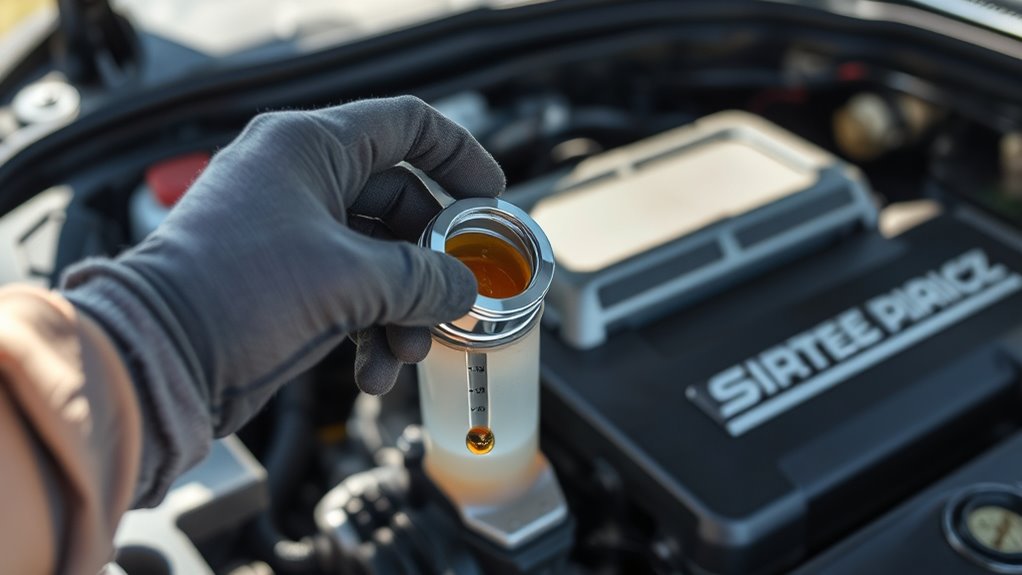
Remove the dipstick to see the fluid level—ideally, it should be between the “MIN” and “MAX” marks.
If it’s low, use the recommended fluid type from your owner’s manual.
Watch out for heavy steering or unusual noises, as they might signal a problem.
You’ll find more detailed tips ahead.
Key Takeaways
- Open the hood and find the power steering fluid reservoir, which is usually a see-through plastic container with markings.
- Make sure the vehicle is on a flat surface and the engine is turned off before you check the fluid level.
- Remove the dipstick or cap, wipe it clean, then check the fluid level against the “MIN” and “MAX” marks.
- Look at the fluid’s color and consistency; healthy fluid is typically clear or light pink.
- If the level is low, add the right type of fluid as specified in your owner’s manual.
How to Check Your Power Steering Fluid in 7 Easy Steps

Checking your power steering fluid is a quick and straightforward process that can help keep your vehicle running smoothly. First, park your car on a level surface and turn off the engine. Allow it to cool for a few minutes.
Next, pop the hood and locate the power steering fluid reservoir. Wipe the dipstick clean, then reinsert it to check the fluid level. If it’s below the recommended line, you’ll need to add fluid.
Pop the hood, find the power steering fluid reservoir, and check the dipstick to ensure the fluid level is sufficient.
Inspect the fluid’s color and consistency. Clear or light pink fluid is best, while dark or cloudy fluid means it’s time for a change. Make sure to use the correct type of fluid for your vehicle to keep steering performance at its best.
Regular fluid maintenance not only improves how your steering feels but also helps prevent future issues. Finally, securely close the reservoir and check it periodically to keep everything in top shape.
Locating Your Power Steering Fluid Reservoir
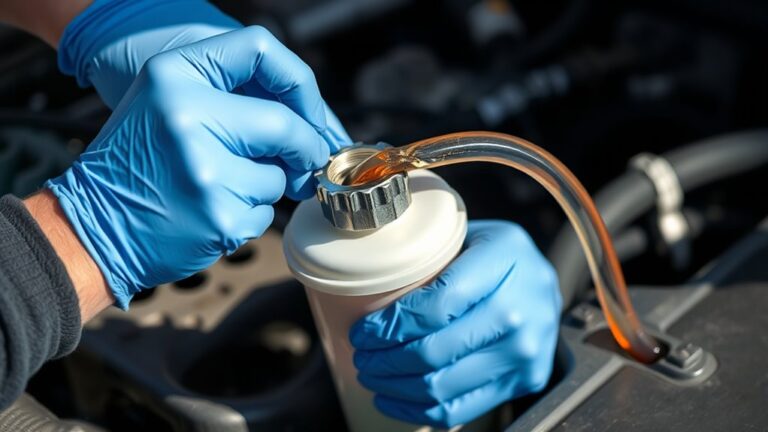
To find your power steering fluid reservoir, start by opening the hood of your vehicle. Look for the reservoir, which is usually made of translucent plastic so you can see the fluid level easily. It’s typically marked with a steering wheel symbol or labeled “Power Steering Fluid.”
Properly identifying the reservoir is key for maintaining your fluid levels. Here’s a quick reference table to help you spot it:
| Location | Appearance | Labels |
|---|---|---|
| Near the engine bay | Clear or translucent container | Steering wheel icon |
| On the passenger side | Cylindrical container | “Power Steering Fluid” |
| Close to the battery | Square or rectangular shape | Fluid level indicators |
Once you find it, you can check the fluid level easily. Keeping it topped up helps your steering system stay smooth and responsive.
How to Check Your Power Steering Fluid Level
1. Checking your power steering fluid level is key to keeping everything running smoothly. First, make sure your vehicle is on a level surface and the engine is off. Open the hood and find the power steering fluid reservoir, which you located earlier. Wipe the dipstick or cap clean before removing it to avoid contamination.
Next, check the fluid level against the marked indicators. Ideally, it should be between the “MIN” and “MAX” lines. If it’s low, add the right type of fluid.
While you’re at it, look for signs of leaks like wet spots or puddles under the vehicle. Regular checks can help you catch issues early. If you notice a big drop in fluid level, it might be a good idea to have a mechanic take a look.
Keeping your power steering fluid topped off helps ensure smooth steering and extends the life of your steering parts.
What Type of Power Steering Fluid Should You Use?
Choosing the right power steering fluid is really important for keeping your car running smoothly. The best thing to do is check your owner’s manual to see what the manufacturer recommends. That way, you’re making sure the fluid is compatible with your steering system.
Using the wrong type of fluid can cause some serious problems and even lead to costly repairs down the line. So, it’s definitely worth taking a few extra minutes to pick the right one. After all, a little bit of effort now can save you a lot of hassle later!
Fluid Type Compatibility
Selecting the right power steering fluid is really important for your vehicle’s performance and longevity. Different fluids are made for specific systems, so using the wrong one can cause problems.
Check your owner’s manual to find out which fluid type is best for your car. Common options include ATF (automatic transmission fluid) and specific power steering fluids.
Mixing different types can lead to foaming, leaks, or even pump failure. If you’re unsure, it’s always best to ask a professional or refer to the manual.
Using the correct fluid not only improves steering responsiveness but also helps protect your pump and other parts from unnecessary wear.
Prioritize compatibility to keep your steering system running smoothly.
Manufacturer Recommendations
While maneuvering the complexities of power steering fluid, it’s crucial to follow your manufacturer’s recommendations to guarantee peak performance. Each vehicle has specific fluid requirements, so check your owner’s manual for details. Using the wrong type can lead to steering issues and costly repairs.
For effective fluid maintenance, familiarize yourself with the manufacturer guidelines about the right fluid type and change intervals. Some vehicles may need a specific blend or brand, while others might require synthetic options.
Keeping track of your power steering fluid levels and quality is essential for smooth operation. Regularly inspect the fluid and replace it as needed, following those manufacturer recommendations. This way, you can ensure your steering system functions at its best.
Signs Your Power Steering Fluid Might Be Low
If your steering wheel feels unusually heavy or requires more effort to turn, it could be a sign that your power steering fluid is low. This extra effort can make driving uncomfortable and might mean your system isn’t working properly.
You might also notice unusual steering noises, like whining or groaning, which often indicate that the fluid level is dropping. Keep an eye out for fluid leaks underneath your vehicle.
If you see a reddish or pink puddle, it’s probably power steering fluid escaping. Address these signs quickly because ignoring them can lead to bigger problems, like damage to the power steering pump.
Regularly checking your fluid level can prevent headaches and costly repairs down the line. Stay alert to these signs to keep your steering smooth and safe.
Topping Off Your Power Steering Fluid
To keep your power steering system running smoothly, it’s really important to know where the fluid reservoir is. Just a quick peek every now and then can save you from bigger problems later on.
Make sure to check the fluid level regularly — it’s a simple step that can make a big difference. And when you do top it off, always use the type of fluid that’s recommended for your vehicle. That way, you keep everything working just right and avoid any unnecessary issues down the road.
Identify Fluid Reservoir Location
Locating the power steering fluid reservoir is an important part of keeping your steering system in good shape. It’s usually straightforward to find, but knowing where to look can save you some time.
Check under the hood, often near the back of the engine bay. Look for a cap labeled “Power Steering” or with a steering wheel icon to help identify it.
Observe the reservoir markings, which show the correct fluid level. Also, note the fluid’s color—it’s typically clear, red, or brown.
Check Fluid Level Regularly
After you’ve found the power steering fluid reservoir, check the fluid level regularly to keep your steering smooth. Just take a quick glance at the level marked on the reservoir.
If the level is low, add fluid until it reaches the recommended mark. Many people forget to do this, which can cause steering problems or even damage the system.
Don’t wait for a problem to appear. Make it a habit to check the fluid once a month or during routine maintenance. Keeping an eye on the level helps your vehicle respond better and extends the life of the power steering system.
Being proactive now can save you from costly repairs later!
Use Recommended Fluid Type
Using the right type of power steering fluid is essential for keeping your vehicle’s steering system in good shape. Using the wrong fluid can cause poor performance and damage to parts.
To keep things running smoothly, check your owner’s manual for the recommended fluid type.
Pick a high-quality fluid that meets your vehicle’s specifications.
Avoid mixing different fluids, as this can hurt performance.
Finally, regularly monitor fluid levels to catch leaks or problems early.
When to Seek Professional Help for Power Steering Issues
If you notice strange noises when turning the steering wheel or find it hard to steer, it’s important to get professional help for power steering issues. Common signs like whining sounds, stiffness, or a warning light on your dashboard can be clues there’s a problem. Ignoring these warning signs can lead to bigger damage and costly repairs.
When mechanics diagnose the issue, they usually check the power steering fluid level and condition, look for leaks, and inspect the pump and hoses. If the fluid is low or dirty, a simple top-up or flush might do the trick. But if problems keep happening, it could be a failing pump or something more serious.
Don’t hesitate to reach out to a professional if you’re unsure about what’s going on. Catching problems early can save you time and money and keep your steering system safe and working well.
Frequently Asked Questions
Can I Use Any Fluid if I’m Out of Power Steering Fluid?
No, you shouldn’t use just any fluid if you’re out of power steering fluid. Different fluid types can negatively impact your steering performance.
Using the wrong fluid might cause leaks, damage components, or lead to steering issues. It’s best to stick with the manufacturer’s recommended fluid to ensure everything runs smoothly.
If you’re in a pinch, you could consider a temporary solution, but make sure to replace it with the right fluid as soon as possible.
How Often Should I Check My Power Steering Fluid?
Think of your power steering fluid like the oil in a well-tuned engine. It keeps everything running smoothly. You should check your power steering fluid regularly, ideally every month or so, to keep your system in top shape.
Keeping an eye on the fluid types is essential because using the wrong one can cause problems. By staying proactive, you’ll avoid potential headaches and keep your steering system in excellent condition.
What Happens if I Overfill the Power Steering Reservoir?
If you overfill the power steering reservoir, you’ll risk damaging the system. Excess fluid can cause foaming, which reduces its effectiveness and leads to poor steering performance.
It can also create pressure issues, potentially causing leaks or damaging seals. To keep everything running smoothly, always use the correct fluid types listed in your owner’s manual.
Keeping the fluid level within the recommended range ensures your steering system works efficiently and reliably.
Is Low Power Steering Fluid Dangerous While Driving?
Yes, low power steering fluid can be dangerous while driving. It can cause your steering to fail, making the car harder to control.
You might notice sounds like whining or find it difficult to turn the wheel. Imagine cruising smoothly and then suddenly struggling to steer—that’s unsettling.
To stay safe, keep an eye on your fluid levels and fix any leaks promptly. Don’t let low fluid put you and others at risk on the road.
Can I Mix Different Brands of Power Steering Fluid?
You shouldn’t mix different brands of power steering fluid. While some fluids might seem compatible, they can differ in additives and chemical makeup, which can cause problems.
Mixing different types can lead to reduced performance or even damage your steering system. It’s best to stick with one brand that matches your vehicle’s specifications.
Always check your owner’s manual for brand recommendations to keep your power steering working smoothly. This way, you can ensure everything stays in top shape.
Conclusion
Now that you know how to check your power steering fluid, imagine cruising down the road, steering with ease.
But wait, what if you suddenly feel that unsettling resistance? Don’t let a low fluid level catch you off guard!
Keep an eye on those signs, and remember, topping off is just a step away.
If you’re ever unsure, don’t hesitate to seek help.
Your smooth ride depends on proper power steering fluid levels—so what will you do next?