How to Tell If You Need Power Steering Fluid
Dealing with stiff or hard-to-turn steering can be frustrating, and you’re definitely not alone. Many drivers struggle with this issue at some point, and it’s often linked to power steering fluid levels.
Knowing how to tell if you need to add or check your power steering fluid is key to smooth driving.
If your steering feels stiff or hard to turn, especially at low speeds, it’s time to check your power steering fluid. Listen for whining or groaning noises when turning, as these are signs of low fluid.
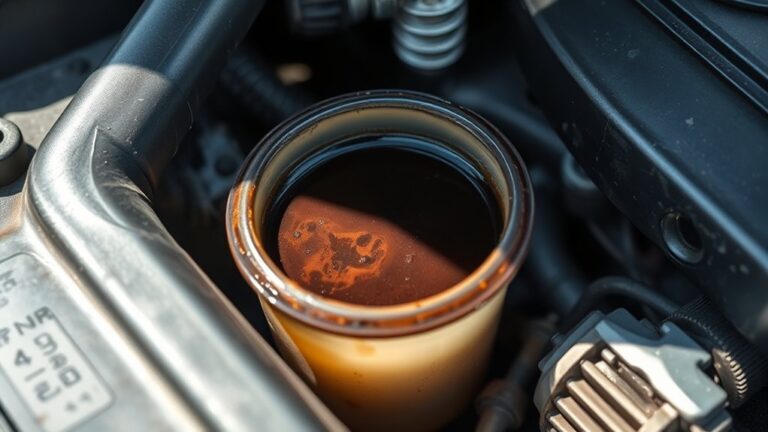
You should also inspect the fluid for discoloration.
Look for any leaks under your vehicle, as these can indicate problems. Keeping an eye on your fluid levels can save you from larger issues.
There’s always more to learn about prevention techniques to keep your steering smooth and responsive.
Key Takeaways
- Check for difficulty in steering, especially when turning or at low speeds. If it takes more effort than usual, your power steering fluid might be low.
- Listen for unusual noises like whining or groaning from the power steering pump while turning the wheel. These sounds can be a sign of low fluid.
- Inspect the fluid color; if it looks dark brown or burnt, it could mean contamination and that you need to top it up.
- Look for fluid leaks under your vehicle. Leaking fluid might point to low levels or a failing power steering system.
- Keep an eye on increased effort while steering. If it feels heavy or unresponsive, your fluid might be low or there could be other issues.
Signs Your Power Steering Fluid Is Low
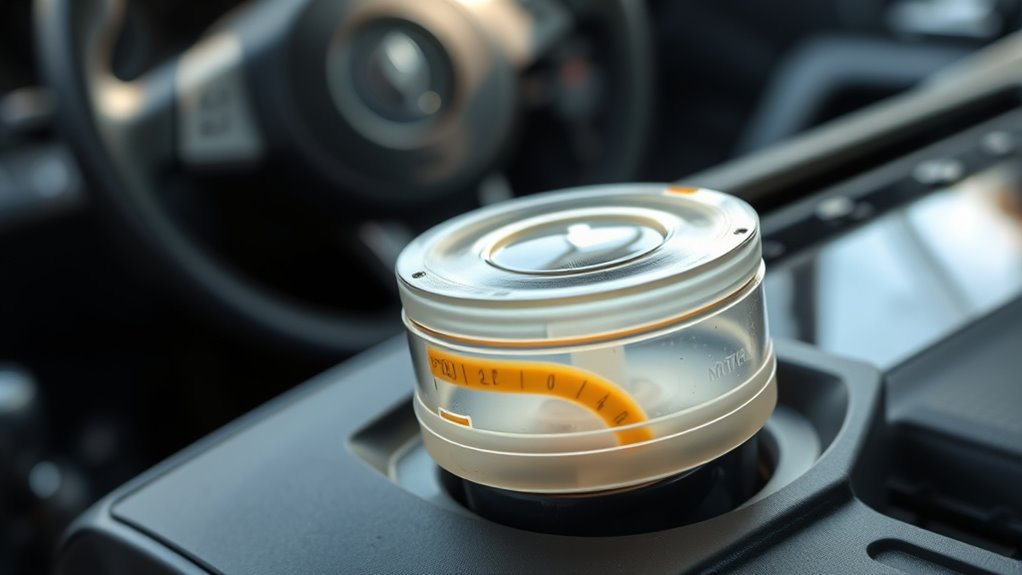
When you’re driving and notice a struggle in your steering, it might be time to check your power steering fluid. Low fluid levels can really affect how your steering responds, making turns feel heavy or unresponsive. If you’re fighting with the wheel, that’s a clear sign to look into it.
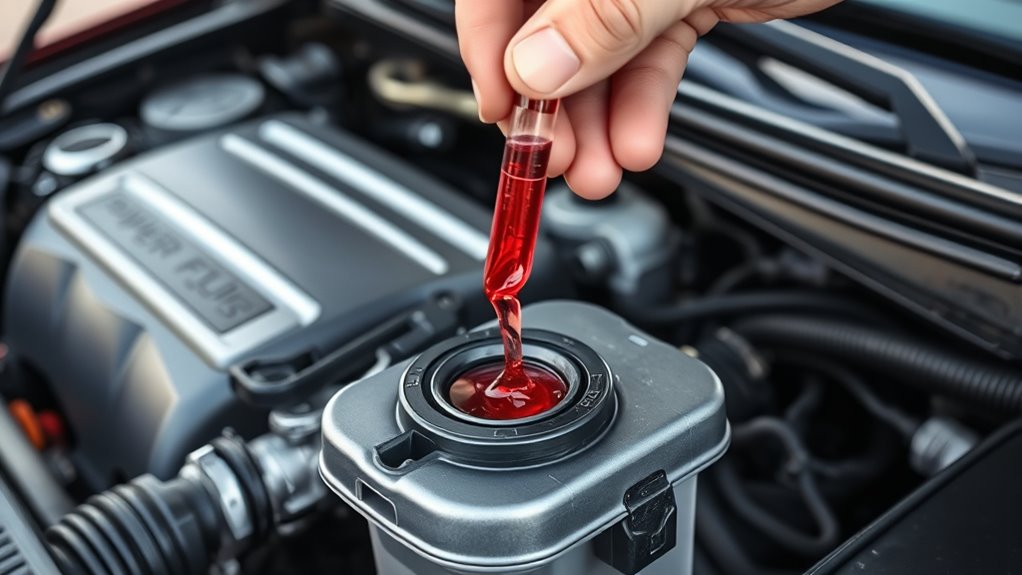
Next, check the fluid color. Healthy power steering fluid should be clear with a pinkish tint. If it’s dark brown or smells burnt, that’s a warning sign you need to add fluid or even flush the system. Also, listen for any whining sounds when turning the wheel; that can mean your fluid is low too.
Key Symptoms of Low Power Steering Fluid
Low power steering fluid can cause some noticeable signs that affect how your car feels to drive. One of the first things you might notice is a change in how responsive the steering is. If turning the wheel feels harder, especially at low speeds, it’s probably a sign your fluid levels are low.
You might also hear whining or groaning noises when you steer. That usually means the pump is struggling because there isn’t enough fluid pressure. Plus, if you see any fluid leaks under your vehicle, make sure to check your power steering fluid right away.
Ignoring these symptoms can lead to bigger problems with your steering system. Keep an eye on how your car handles and pay attention to any unusual behavior. Doing quick inspections of your fluid levels can help keep things safe and comfortable when you’re on the road.
What Happens When Power Steering Fluid Runs Low?
Running low on power steering fluid can cause big problems with your vehicle’s steering. You might notice it’s harder to turn the wheel smoothly, especially during quick maneuvers or tight turns. Without enough fluid, the power steering pump can overheat and even fail.
Low fluid levels can also lead to contamination. Debris and metal shavings can build up, making your steering system less effective. This can cause faster wear on parts and lead to costly repairs. You might hear whining or grinding sounds when turning the wheel, which means your system is struggling.
Ignoring these signs can lead to more serious issues. It’s important to check your power steering fluid regularly and top it off when needed. Doing so helps keep your steering smooth and prevents costly breakdowns.
Why Regular Power Steering Fluid Maintenance Matters
Maintaining your power steering fluid is essential because it directly impacts your vehicle’s steering performance. Neglecting this maintenance can lead to increased wear on your steering components, making it harder for you to control your vehicle.
Understanding the importance of power steering is key; it guarantees smooth turning and responsiveness, especially during tight maneuvers. To keep your system running smoothly, follow some simple fluid maintenance tips.
Regularly check the fluid level and look for any discoloration or debris, which could indicate contamination. If the fluid appears dark or dirty, it’s a sign that it needs replacing. Don’t forget to inspect for leaks, as even a small leak can lead to significant issues down the line.
When to Change Power Steering Fluid?
Noticing signs like your steering wheel feeling harder to turn or hearing weird noises when you turn can be clues that your power steering fluid might be low or needs some attention. It’s good to keep an eye on this because catching it early can save you a lot of hassle later on.
So, when should you actually change the power steering fluid? Well, it really depends on your vehicle and how you drive, but generally, it’s a good idea to check your owner’s manual. Most experts recommend changing the fluid every 30,000 to 60,000 miles, or roughly every 2 to 4 years. Of course, if you notice your steering isn’t as smooth as it used to be, it’s worth having it checked sooner rather than later.
Keeping up with these simple maintenance steps can help ensure your steering system stays in top shape and can save you from more costly repairs down the line.
Signs Of Low Fluid
When the steering wheel feels stiff or unresponsive, it’s usually a sign that your power steering fluid is low. You might notice it’s harder to turn smoothly or respond quickly.
Keep an eye out for other signs too:
- Fluid Color: If the fluid looks dark or murky, that’s a sign it’s contaminated and needs attention.
- Noises: Listen for whining or groaning sounds when you turn. That often means the fluid level is low.
- Puddles: Spotting fluid leaks under your car? That’s a clear sign you should check your power steering system.
Ignoring these signs can cause bigger problems down the line. It’s important to top off your fluid so your steering stays smooth and safe.
Recommended Fluid Change Interval
Regularly changing your power steering fluid is key to keeping your vehicle running smoothly. Most manufacturers suggest doing this every two to three years, or roughly every 30,000 to 60,000 miles.
But be sure to check your owner’s manual for the exact fluid type and specific guidelines for your car. If the fluid smells burnt or looks dark, it’s a sign it’s time for a change.
To keep your system in good shape, regularly check the fluid level, look for leaks, and make sure it isn’t foamy.
Sticking to these intervals helps extend the life of your power steering system and makes your driving experience better.
How to Safely Top Off Power Steering Fluid
Before topping off your power steering fluid, it’s important to make sure you have the right type and follow the proper steps to avoid any mishaps. Here are some tips to keep in mind:
Before adding power steering fluid, ensure you have the correct type and follow the right steps to prevent issues.
- Check the Level: Start by checking the fluid level with the dipstick. If it’s low, then it’s time to add more.
- Choose the Right Fluid Types: Use the correct power steering fluid for your vehicle. Using the wrong kind can cause damage.
- Add Gradually: Pour the fluid slowly and check the level often. Overfilling can lead to leaks and other issues.
How to Pick the Right Power Steering Fluid
Choosing the right power steering fluid is key to keeping your vehicle running smoothly. Using the wrong type can cause serious damage, so it’s important to get it right.
Start by checking your owner’s manual for the recommended fluid type. Different vehicles need specific formulas, so don’t guess. Pay attention to fluid compatibility because using the wrong one can lead to leaks or steering problems.
There are several types of fluid, including mineral-based, synthetic, and ATF (automatic transmission fluid). Each has unique features suited for different systems. If you’re unsure, it’s a good idea to ask a professional or a parts expert to help you find the right match.
When shopping, choose high-quality brands known for reliability. Avoid mixing different types of fluids, as that can mess up your steering system’s performance. Picking the correct power steering fluid helps ensure smooth steering and can extend the life of your vehicle’s parts.
Detecting Power Steering Fluid Leaks
Have you noticed your steering feeling a bit off? If so, it might be time to check for leaks. Power steering fluid leaks can cause serious problems, so a quick inspection is essential.
Here are three signs to watch for:
- Puddles Under Your Car: Spot reddish or brownish fluid underneath? That’s a clear sign of a leak.
- Whining Noise: Hearing a whining or groaning sound when turning? It could mean your power steering fluid is low because of a leak.
- Stiff Steering Wheel: If steering feels difficult or stiff, your fluid might be low, possibly from a leak.
If you notice any of these signs, don’t ignore them. Catching leaks early can save you from costly repairs and keep your steering smooth and safe.
Frequently Asked Questions About Power Steering Fluid Issues
Got questions about power steering fluid? You’re not alone! Many drivers wonder how to tell if their power steering fluid is running low and how to check it properly. Keeping an eye on these signs can really help you avoid bigger, more expensive problems later on. So, let’s go through some common questions to make sure your steering stays smooth and safe.
Signs Of Low Fluid
When your power steering fluid is running low, you’ll notice some signs that shouldn’t be ignored. Ignoring these can make steering harder and cause more stress while driving.
Here are three common signs to look out for:
First, if turning the wheel becomes more difficult, that’s a clear warning. It might take more effort than usual to steer.
Second, listen for unusual noises like whining or squealing when you turn the wheel. That can mean the fluid level is low.
Finally, if you see puddles of fluid under your vehicle, it’s a definite sign you should check your power steering system.
Keep an eye out for these signs to stay safe and keep your driving smooth.
How To Check Levels
Checking your power steering fluid levels is key to keeping your steering smooth and your vehicle running well. First, find the power steering reservoir, which usually has a steering wheel icon on it.
There are different types of fluid, so check your owner’s manual to make sure you’re using the right one. Then, wipe the dipstick clean, reinsert it, and pull it out again to check the level.
The fluid should be between the minimum and maximum marks. If it’s low, carefully add the correct type of fluid, but don’t overfill. Regularly checking your power steering fluid helps prevent problems and keeps your steering responsive.
How to Address Common Power Steering Problems
Addressing common power steering problems can save you from costly repairs and ensure a smooth drive. If you notice noise or a stiff steering wheel, don’t ignore these signs. Here’s how to handle these issues:
First, check the fluid levels. Low fluid can lead to noise and stiffness. Make sure to top it off if it’s low.
Next, look for leaks under your vehicle. A fluid leak can cause bigger problems if not fixed quickly.
Finally, inspect the power steering pump. A failing pump might make noise and make steering harder. If you’re unsure, it’s best to see a mechanic.
Frequently Asked Questions
Can I Drive My Car Without Power Steering Fluid?
No, you shouldn’t drive your car without power steering fluid.
Without it, you’ll notice symptoms like difficulty steering and needing more effort to turn the wheel.
If you see these signs, it’s important to check for leaks right away.
Ignoring the problem can cause more serious damage to your steering system.
Keep an eye on your fluid levels to ensure a smooth and safe driving experience.
How Often Should I Check My Power Steering Fluid?
You should check your power steering fluid level at least once a month. Regularly monitoring it helps guarantee peak steering performance.
If you notice any changes in how your steering feels, like stiffness or noise, inspect the fluid level immediately.
Keeping an eye on it prevents potential issues that could affect your driving experience. Trust me, it’s a quick task that can save you headaches down the road.
What Type of Power Steering Fluid Do I Need?
Choosing the right power steering fluid is like picking the perfect paint for your masterpiece.
You’ll usually need either ATF (Automatic Transmission Fluid) or specific power steering fluid types, depending on your vehicle.
Check your owner’s manual for the recommended fluid. Fluid color indicators can help, too.
Clear or light red signals good fluid, while dark or brown suggests it’s time for a change.
Always match the fluid to your car’s needs for peak performance!
Are There Any Alternatives to Power Steering Fluid?
Yes, there are some power steering alternatives you can consider. While it’s best to use the recommended fluid, some people use automatic transmission fluid or even vegetable oil as temporary replacements.
However, these options might not work as well and could cause damage over time. Always check your vehicle’s manual for guidance, and talk to a professional if you’re unsure.
Keeping your system in good shape is key for smooth steering!
How Do I Know if My Power Steering Fluid Is Contaminated?
Imagine your steering system as a well-orchestrated symphony. When the fluid’s harmony is disrupted, you’ll notice signs of contamination.
Look for fluid discoloration—dark, murky hues usually mean trouble. If your steering feels heavy or unresponsive, that’s a red flag.
Trust your instincts. If the performance falters, it’s time to investigate further. Keep an eye on those subtle cues, and your vehicle’s orchestra will continue to play smoothly.
Conclusion
Just like a ship needs a steady stream of wind to sail smoothly, your vehicle relies on power steering fluid to navigate the roads with ease. When you keep an eye on your fluid levels, you ensure a smoother, trouble-free ride.
Regular checks and maintenance help you catch problems early, so you won’t be caught off guard. It’s all about staying ahead of issues before they turn into costly repairs.
Remember, a well-tended ship glides through the waves, and a well-maintained car has healthy power steering. Keep your power steering fluid topped off, and you’ll steer clear of trouble.