What Is a Gear?
Ever wondered how machines run so smoothly or why some tools keep breaking down? You’re not alone—many people struggle to understand what makes these machines tick. The answer often comes down to a small but mighty component: the gear.
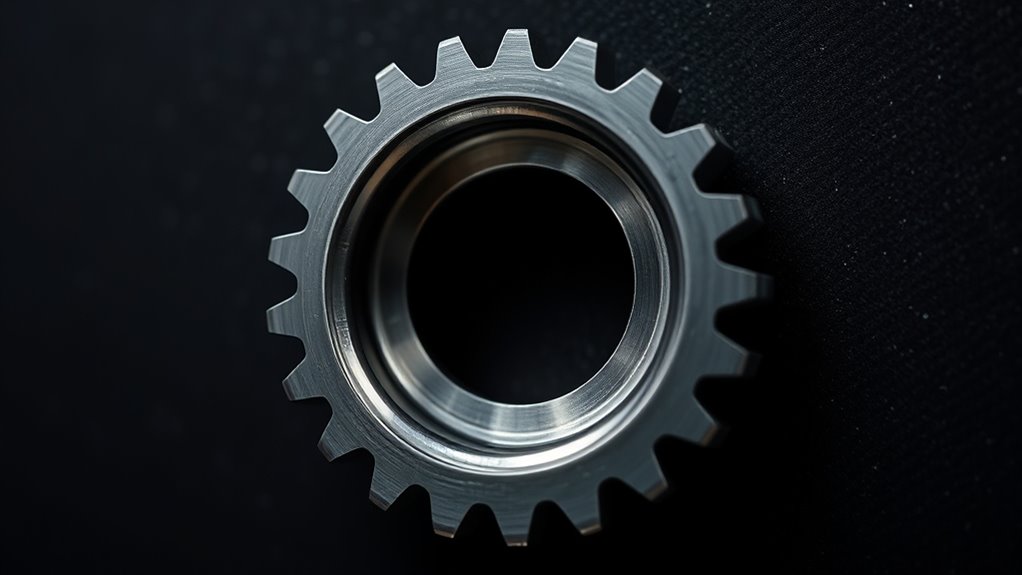
A gear’s a vital component in machines that transfers motion and force. You’ll find gears in everything from vehicles to industrial equipment, making them essential for smooth operation.
Different types, like spur and bevel gears, each serve unique functions. They work together by ensuring proper alignment and lubrication, which helps reduce wear.
Understanding how gears function can really improve your appreciation of their role in technology. Uncover more about their various types and applications!
Key Takeaways
- Gears are mechanical parts used to transfer motion and force between rotating shafts in many machines.
- They come in different types like spur, helical, bevel, and worm gears, each with its own specific function.
- The material you choose, such as steel or plastic, affects a gear’s strength, weight, and cost, which all impact how well it performs.
- Proper alignment and lubrication are key to reducing wear and keeping everything running smoothly.
- Gear ratios control the balance between speed and torque, which influences how efficient a mechanical system is.
What Exactly Are Gears and Their Functions?
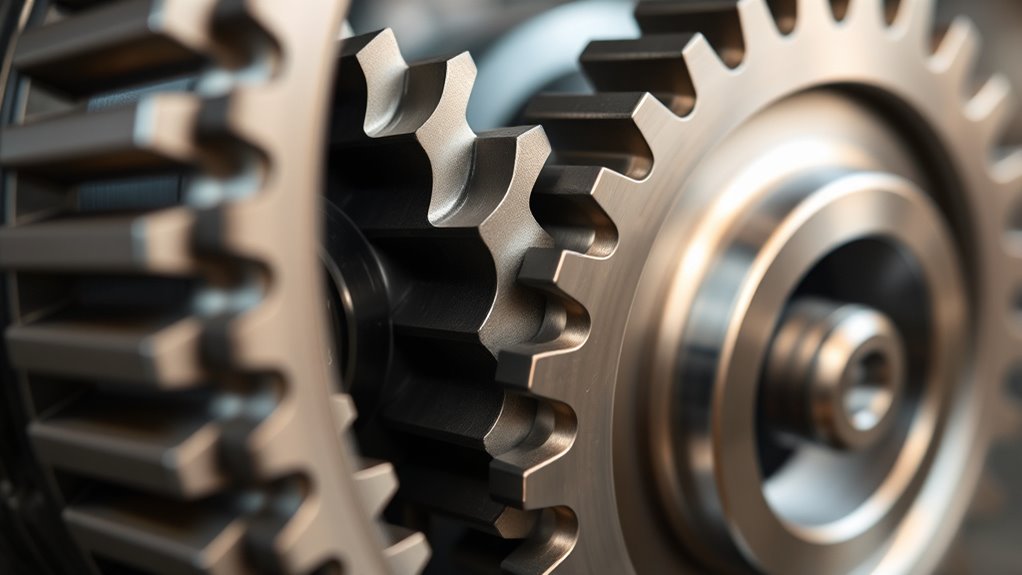
Gears are essential components in many machines, playing a big role in transferring motion and force. When designing gears, it’s important to think about how their shape and size impact their efficiency.
Different types of gears, like spur, bevel, or worm gears, each have specific purposes depending on the application. Choosing the right one depends on what you need your machine to do.
Different gear types, such as spur, bevel, and worm, serve unique purposes tailored to your machine’s needs.
Material choices are also key. Steel, plastic, and brass are common options, each with their own benefits for strength, weight, and cost. Metal gears can handle heavier loads, while plastic gears are lighter and often quieter.
Knowing these factors helps you pick the best gears for your project, making sure they perform well and last longer. Whether you’re building a simple tool or a complex machine, understanding gear design and materials makes a big difference.
How Do Gears Work Together in Mechanisms?
Choosing the right gears not only impacts efficiency but also determines how well they work together in mechanisms. Proper gear alignment ensures the teeth mesh smoothly, which helps reduce wear and tear.
Good gear lubrication is key to minimizing friction, allowing for smoother operation. To get the best performance from your gears, keep these points in mind:
- Guarantee precise gear alignment to prevent slippage and damage.
- Regularly check lubrication levels to maintain optimal performance.
- Select compatible gear sizes to improve efficiency and reduce noise.
- Monitor wear and tear so you can replace worn gears before they fail.
Understanding Gear Ratios: Why They Matter in Everyday Mechanisms?
Understanding gear ratios is pretty important if you want to get how speed and torque work in everyday gadgets. Basically, when you swap out gears for different sizes, you’re changing how fast things move and how much force they can generate. It’s like a little secret behind how your bike shifts gears or how a clock keeps time.
Impact On Speed Dynamics
When you shift gears in a vehicle, you’re not just changing speed; you’re also manipulating the mechanics that dictate how power is transferred. Understanding gear ratios is key for controlling speed and improving efficiency.
Each gear ratio affects how fast you go while also optimizing energy use. Higher gear ratios boost speed but make the engine work less, reducing torque.
Lower gear ratios give you more power, which is great for acceleration or climbing hills, but they limit your top speed. Picking the right gear helps you save fuel and run smoothly.
Changing gears at the right moments can also make your vehicle accelerate better in different driving conditions.
Torque Transformation Explained
While you might not realize it, the gear ratios in your vehicle play an essential role in how torque is transformed and applied. When you shift gears, you’re not just changing speed; you’re also optimizing torque conversion.
Lower gears provide more torque, which helps you accelerate quickly, while higher gears are designed for efficiency at speed. This shift allows you to harness mechanical advantage, ensuring that your engine’s power is effectively transmitted to the wheels.
Understanding these ratios helps you appreciate how your vehicle responds under different conditions. So, next time you’re driving, keep in mind that those gears are working hard to balance speed and power, making your ride smoother and more efficient.
The Different Types of Gears Explained
Gears are essential parts of many machines, each designed for specific functions and uses. Understanding the different types can help improve efficiency and inspire new designs.
- Spur Gears are simple and effective, perfect for connecting parallel shafts. They’re widely used because of their straightforward design.
- Helical Gears engage more smoothly and are great for high-speed applications. They provide quieter operation compared to spur gears.
- Bevel Gears change the axis of rotation, making them ideal for right-angle drives. They’re commonly found in different types of machinery.
- Worm Gears deliver high torque in a compact size, making them excellent for gear reduction. They’re useful when space is limited.
When selecting gears, consider the materials and sizes to match your specific needs. Each gear type’s unique design affects performance, so choosing the right one is key. Understanding these differences helps you make smarter decisions for your projects.
Everyday Uses and Maintenance of Gears
Everyday life is filled with gears, often working behind the scenes to keep things running smoothly. From kitchen appliances to your car, gears are essential.
To keep them functioning at their best, regular maintenance is key. Here’s a quick guide to help you with gear upkeep:
| Task | Frequency |
|---|---|
| Check gear alignment | Monthly |
| Apply gear lubrication | Every 3 months |
| Inspect for wear | Biannually |
| Clean gear surfaces | Monthly |
| Replace damaged gears | As needed |
The Manufacturing Process of Gears
Creating gears involves a precise manufacturing process that guarantees their reliability and performance. You’ll find that several key steps are essential in crafting high-quality gears.
Choosing gear materials affects durability and performance. Materials like steel or plastic are common choices depending on the application.
Using manufacturing techniques such as casting or forging shapes the initial form of the gear, setting the foundation for quality.
Precision machining makes sure every tooth is cut accurately, which is critical for smooth operation and efficiency.
Implementing quality control involves rigorous testing throughout the process to catch any defects early on.
After machining, gears often undergo heat treatment to improve their strength. Surface finishing then enhances wear resistance, making gears last longer.
Finally, assembly processes guarantee that gears fit perfectly with other components, ensuring reliable operation in their final use. Following these steps helps manufacturers produce dependable gears that meet high standards and perform well in their applications.
Advantages of Gears in Modern Applications
While you might not always notice them, gears play a crucial role in countless modern applications, boosting efficiency and performance across various industries. They’re essential in everything from cars to industrial machinery. Using gears allows machines to run smoothly and reliably.
Gears also give you a mechanical advantage, helping you transmit power more effectively. For example, in a car, different gear ratios optimize engine performance, improving fuel efficiency and acceleration. This flexibility lets you adapt the system to lift heavy loads or increase speed.
Plus, gears help reduce wear and tear on components, which extends the lifespan of your machinery. Their ability to convert motion and force makes them vital in automation, robotics, and even household appliances. Incorporating gears into your applications can lead to better results and higher productivity.
Common Operational Challenges for Gears
Even though gears are essential for efficient operation, they encounter several common challenges that can impact performance. Understanding these issues can help you make better decisions in design and usage.
Gear wear happens over time, which can affect both efficiency and how long the gears last.
Lubrication issues like insufficient or improper lubrication can cause overheating and more friction.
Misalignment problems occur when gears aren’t properly aligned, leading to uneven load distribution and faster wear.
Thermal expansion from temperature changes can cause misalignment or loss of tolerances, impacting gear function.
To handle these challenges, think carefully about material choices and design features that boost durability.
Pay attention to noise levels, as they can reveal underlying problems.
Being proactive about these issues will help improve gear performance and extend their operational life.
How to Maintain Gears for Longevity
To guarantee gears last longer and perform efficiently, regular maintenance is vital. Start by implementing effective gear lubrication techniques. Using the right lubricant reduces friction and helps prevent wear and tear. Be sure to check lubrication levels often and replace oil or grease when needed.
Next, inspect your gears regularly for signs of damage or excessive wear. Look for discoloration, rough edges, or unusual noises, as these can point to problems that need fixing. Cleaning gears is also important since dirt and debris can speed up wear.
Finally, think about the environment where your gears operate. High temperatures or humidity can affect how well they work, so make sure there’s proper ventilation and temperature control. By following these steps and focusing on gear wear prevention, you’ll boost their longevity and reliability, making sure they work well for years to come.
Why Are Gears Essential in Modern Technology?
Maintaining gears not only helps them last longer but also highlights their importance in modern technology. Gears are a key part of countless machines, making them more efficient and driving innovation across many industries.
They are great for transferring power, ensuring devices run smoothly. Gears also allow for precise control of speed and torque, which is essential in robotics and cars.
Plus, gears help save space by enabling compact designs in everything from smartphones to heavy machinery. Their durability means reliable performance, cutting down on downtime and maintenance costs.
Frequently Asked Questions
Can Gears Be Used in Non-Mechanical Applications?
Yes, gears can definitely be used in non-mechanical applications. Think about gear symbolism in art or literature, where they represent interconnectedness and progress.
You’ll often see digital gears in software design, symbolizing processes and workflows. They help visualize complex systems and interactions, making them easier to understand.
What Materials Are Commonly Used to Make Gears?
In terms of gear manufacturing processes, you’ll find that steel, plastic, and brass are some of the most common materials. These materials boast incredible strength and durability, making them perfect for various applications.
Steel provides toughness, while plastic offers lightweight flexibility, and brass brings corrosion resistance. Understanding gear material properties helps you choose the right one for your needs, ensuring your gears perform like champions in any environment.
How Do Gears Impact Energy Efficiency?
Gears greatly impact energy efficiency by optimizing gear ratios, which help you balance speed and torque. When you choose the right gear ratio, you get better mechanical advantage, making tasks easier with less energy loss.
This means machines run smoother and use less power, saving energy and reducing wear. Picking the right gears helps maximize efficiency in different applications, leading to better performance and longer-lasting equipment.
What Are the Signs of Worn-Out Gears?
You’ll notice signs of worn-out gears by listening for unusual noises, vibrations, or difficulty moving. If your machinery starts to slip or suddenly stops working, that’s a clear sign of gear wear.
Regular inspections and maintenance tips, like lubricating gears and checking for misalignments, can really help extend their lifespan.
Don’t ignore these signs—fixing gear issues early can save you time and money later on.
Can Gears Be Recycled or Repurposed?
Absolutely, you can recycle or creatively repurpose gears! Imagine turning a rusty old gear into a funky wall clock or a unique garden trellis.
Gear recycling not only helps reduce waste but also sparks your creativity. You can create art, furniture, or even functional tools from old gears.
Conclusion
In the world of machinery, gears are your unsung heroes, quietly powering everything from your car to household appliances. But what happens when they wear down or fail? The consequences could be catastrophic, disrupting your daily life in ways you can’t imagine.
So, remember: maintaining these vital components isn’t just important. It’s essential. As you think about the role of gears in modern technology, ask yourself: can you afford to overlook their care?
The stakes are higher than you think. Proper gear maintenance is key to keeping everything running smoothly and avoiding costly breakdowns.