Step-by-Step Guide to Calibrate Your Carburetor for Peak Performance
Are you tired of your engine running rough or wasting fuel? If so, you’re not alone—many people struggle with carburetor performance and don’t know where to start. Luckily, with a few simple steps, you can calibrate your carburetor for peak performance and get your engine running smoothly again.
To calibrate your carburetor for peak performance, start by checking for signs like rough idling or poor fuel economy.
Gather essential tools such as a vacuum gauge and jet removal tool.
Prepare your engine by inspecting spark plugs and ensuring a clean air filter.
Adjust your air-fuel mixture and idle speed, monitoring engine behavior closely.
After adjustments, test performance metrics like throttle response.
Keep at it, and you’ll uncover more tips for effective calibration along the way.
Key Takeaways
- Begin by preparing your engine: check spark plugs, clean the air filter, and inspect the fuel system for leaks.
- Use essential tools like a vacuum gauge and jet removal tool to make calibration easier and more accurate.
- Adjust the idle speed with a tachometer to ensure RPMs match the recommended specs for stable engine performance.
- Fine-tune the idle mixture with small tweaks, testing how the engine runs after each change to find the best setting.
- Regularly maintain your carburetor by cleaning it, checking gaskets, and using good quality fuel to keep performance smooth.
Signs Your Carburetor Needs Calibration

Your carburetor might need calibration if you notice any of these common signs. First, pay attention to rough idling or stalling; these are classic symptoms that indicate it’s not delivering the right air-fuel mixture.
If your engine hesitates during acceleration or you notice poor fuel economy, those are signs of potential performance issues. Excessive exhaust smoke or a strong gasoline smell are red flags you shouldn’t ignore.
You might also see your engine running too hot or too cold, which affects overall performance. If you find yourself constantly adjusting the choke, it could mean your carb isn’t functioning properly.
Finally, listen for unusual engine noises. They often point to underlying problems. Addressing these signs early can help restore your vehicle’s efficiency and extend its lifespan.
Don’t wait until things get worse—calibrate your carburetor to keep everything running smoothly!
Understanding Your Carburetor: Key Components
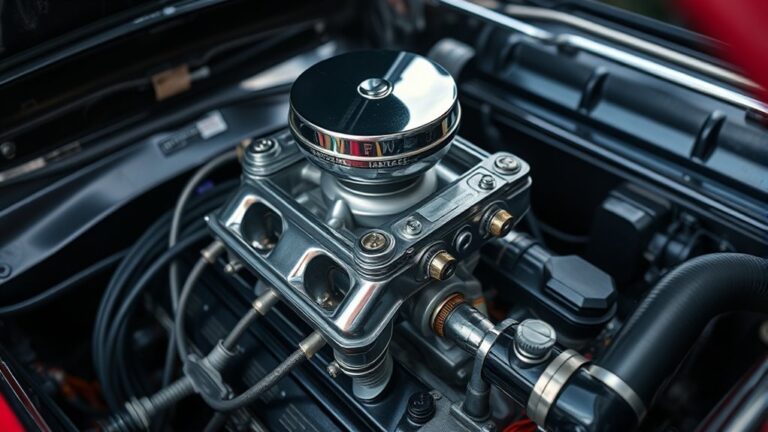
A carburetor is a finely tuned device essential for mixing air and fuel in the right proportions for combustion. To understand the basics, you need to know its key components and what they do.
First, the float chamber keeps a steady fuel level, making sure there’s a consistent supply. The float moves with the fuel level and controls the needle valve. Next, the venturi creates a vacuum that pulls air into the carburetor and mixes it with fuel. The throttle plate controls airflow, so you can manage engine speed and power.
There’s also the idle jet, which supplies fuel at low speeds, and the main jet, which takes over at higher speeds. Each part’s job affects how well your engine runs and how efficiently it performs. By learning about these components, you’ll be better prepared to tune and improve your carburetor’s performance.
Essential Tools for Carburetor Calibration
Getting familiar with your carburetor’s components is the first step to effective calibration, but you’ll also need the right tools for precise adjustments.
Here’s a quick list of essential carburetor tools and calibration equipment to have handy:
- Carburetor Synchronizer: This helps ensure that multiple carburetors are working together smoothly.
- Vacuum Gauge: Use it to measure manifold vacuum, which is key for tuning.
- Jet Removal Tool: This makes swapping jets quick and easy.
- Fuel Pressure Gauge: Accurate fuel pressure is crucial for peak performance, so don’t skip this one.
Having these tools ready not only makes calibration easier but also deepens your understanding of how your carburetor works.
With the right equipment, you’ll be well on your way to achieving optimal performance.
Preparing Your Engine for Calibration
Before diving into carburetor calibration, it’s important to make sure your engine is in top shape. Start with the basics: check your spark plugs for wear because faulty plugs can hurt performance. Also, ensure your air filter is clean; a clogged filter can restrict airflow and throw off your tuning.
Next, take a look at the fuel system for leaks and make sure your fuel is fresh. Old or contaminated fuel can cause poor combustion and give you inaccurate readings. Don’t forget to double-check your ignition timing, as incorrect timing can mess up your entire tune.
Finally, get familiar with some tuning tips. Keep notes of any previous adjustments or changes you’ve made, as they can be helpful during calibration. A well-prepared engine makes carburetor tuning smoother and helps you achieve peak performance more easily.
Adjust Your Air-Fuel Mixture for Optimal Performance
To get the best performance, adjusting your air-fuel mixture is key. It’s an important step in tuning and can really help with fuel economy.
Start by checking your current mixture settings so you know where you’re at. Then, make small adjustments—about 1/4 turn at a time—to avoid overdoing it.
After each change, rev the engine and listen carefully. Look for smooth operation and good throttle response to see if it’s improving.
Keep an eye on your fuel efficiency too. If your mileage gets better, you’re heading in the right direction.
Fine-Tuning Idle Speed and Quality
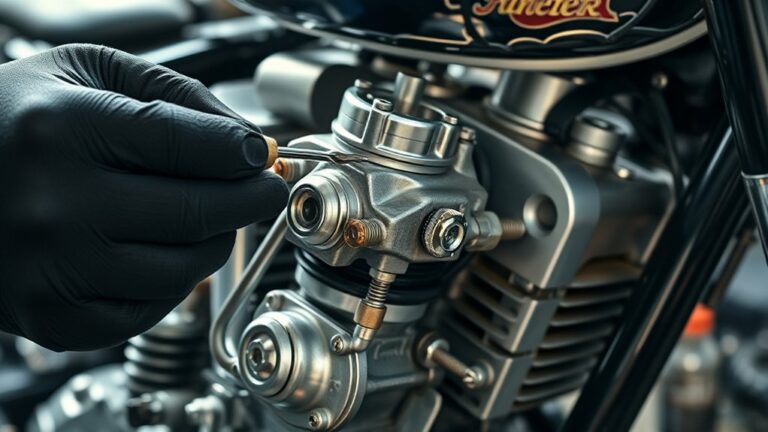
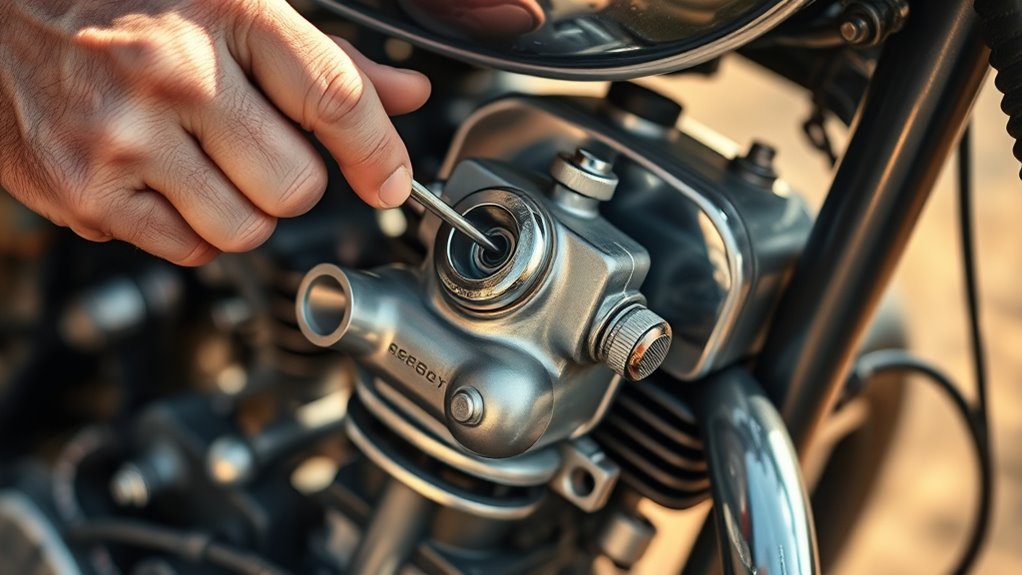
Once you’ve fine-tuned your air-fuel mixture, the next step is to refine your idle speed and quality. Start by locating the idle speed adjustment screw on your carburetor. With the engine running, slowly turn the screw clockwise to raise the idle speed or counterclockwise to lower it. Aim for a smooth, steady idle that doesn’t struggle or race.
Next, check your idle quality. Listen for a steady, even sound; any fluctuations might mean an imbalance. If you notice issues, make small adjustments until the engine runs smoothly.
Don’t forget to test throttle response. Gently press the accelerator and watch how quickly the engine reacts. A responsive throttle ensures your vehicle behaves well under load. Fine-tuning these parts not only boosts performance but also makes your drive more enjoyable. Keep tweaking until you find that perfect balance!
Testing Your Calibration Results
- Check Fuel Mixture: Use a wideband O2 sensor to measure your air-fuel ratio. This helps you see how well your calibration methods are working.
- Monitor Engine Performance: Keep an eye on throttle response and acceleration. Smooth performance usually means your tuning is on point.
- Evaluate Idle Stability: Watch how steady your engine’s idle is. A consistent idle suggests your calibration is good, while fluctuations might mean there’s an issue.
- Review Performance Metrics: Compare your horsepower and torque before and after tuning. Noticing improvements shows your adjustments paid off.
Troubleshooting Common Calibration Problems
While tuning your carburetor can really boost performance, you might still face some common calibration problems that need fixing. One of the most frequent issues is poor fuel delivery, which can affect how your engine responds. Use diagnostic tools to check fuel flow and make adjustments as needed.
Adjusting the idle mixture is a key tuning technique for getting the best results. Don’t fall for quick fixes or myths—proper tuning often involves more than just turning screws. Pay attention to how your engine sounds; if it sputters or backfires, it’s time to revisit your settings.
Use troubleshooting tips like checking for vacuum leaks or dirty jets, since these can really impact how your engine runs. You can also fine-tune your setup by changing needle positions or float levels. With patience and the right approach, you can fix these common issues and get your carburetor running smoothly.
Top 5 Carburetor Calibration Mistakes and How to Fix Them
When it comes to carburetor calibration, it’s easy to fall into some common traps that can really mess with your engine’s performance. For starters, many folks tend to overlook the air-fuel mixture or set the idle speed all wrong—those are two of the biggest mistakes out there. Let’s take a closer look at how you can spot these issues and fix them, so your engine runs like a dream.
Ignoring Air-Fuel Mixture
Ignoring the air-fuel mixture can cause serious performance issues in your engine, especially if you want it to run smoothly. Proper carburetor tuning is key to getting the best performance. To avoid mistakes, keep these tips in mind:
- Check for Leaks: Make sure there are no air leaks that could mess with the mixture.
- Adjust Jets: Fine-tune the jets to get the right balance of air and fuel.
- Monitor Exhaust: If the mixture is too rich or too lean, it can show up in your exhaust smoke.
- Test Under Load: Drive the vehicle and evaluate how it performs to ensure the mixture meets your demands.
Incorrect Idle Speed Setting
An incorrect idle speed setting can really mess with how your engine runs, much like a bad air-fuel mixture. If your engine idles too high or too low, you might notice rough running, stalling, or wasting fuel.
To fix this, start by adjusting the idle speed. Use a tachometer to check the RPMs and turn the idle screw until you hit the recommended specs for your engine.
Next, check the idle mixture settings. A mixture that’s too lean or too rich can also cause poor idle quality. Make small adjustments, test after each change, and be patient.
Fine-tuning these settings will help your engine run smoothly at idle, which improves overall performance and drivability.
Maintaining Your Carburetor for Long-Term Performance
Regular maintenance is key to ensuring your carburetor keeps working well over time. Taking a few simple steps can help you avoid problems and keep things running smoothly.
First, clean your carburetor regularly to get rid of dirt and deposits that can block fuel flow. Use a good quality cleaner made specifically for carburetors.
Next, always use high-quality fuel to prevent contamination and keep your engine running at its best. Avoid old fuel, which can leave varnish buildup and cause issues.
It’s also important to check your gaskets and seals for signs of wear. Replace any damaged ones to prevent leaks and ensure everything stays sealed tight.
Finally, periodically check and adjust your air-fuel mixture. This keeps your engine running efficiently and helps maintain optimal performance.
Frequently Asked Questions
How Often Should I Calibrate My Carburetor?
You should calibrate your carburetor every few months or whenever you notice a drop in engine efficiency. Regular tuning helps keep your engine running smoothly and at its best.
If you’ve made modifications or if the weather changes a lot, it’s a good idea to check your settings. Changes in temperature or humidity can affect how your carburetor works.
Pay attention to fuel consumption and how your engine performs. If you see any issues, it might be time for a tune-up. Don’t wait too long—keeping things in check ensures everything runs right.
Can I Calibrate My Carburetor Without Special Tools?
You don’t need a magic wand to calibrate your carburetor. With some basic knowledge and a DIY approach, you can often do it without special tools.
A simple screwdriver and a keen ear are all you need to adjust the air-fuel mixture. Just remember, “a stitch in time saves nine.” Taking the time to calibrate properly now can save you from bigger issues later.
Always double-check your adjustments for the best results!
What Are the Costs Associated With Carburetor Calibration?
The costs associated with carburetor calibration can vary widely depending on several factors.
If you choose to hire a professional, labor charges can add up quickly. Doing it yourself might save you money, but you’ll need to consider the cost of tools or replacement parts.
Is Carburetor Calibration Necessary for All Engines?
Carburetor calibration isn’t necessary for all engines, but it’s important if you’re looking to boost performance.
If you have a performance engine or one that’s been modified, calibration can help improve fuel efficiency and power.
Stock engines might not need it as much, but understanding your engine type and its specific needs can help you decide.
Think about your goals and whether calibration will give you the benefits you’re after.
Can Weather Conditions Affect Carburetor Performance?
Yes, weather conditions can really affect carburetor performance. Changes in air density can impact your fuel mixture, so adjustments may be needed.
For example, temperature swings can make the engine run richer or leaner depending on how hot it gets. High humidity can also change how the fuel mixes, which affects combustion.
Keeping an eye on these weather factors helps you maintain optimal performance. This way, your engine runs smoothly no matter the weather.
Conclusion
Calibrating your carburetor can make a huge difference in your engine’s performance.
By following these steps, you’ll set yourself up for success and keep your ride running smoothly.
A well-tuned carburetor isn’t just about power; it’s also about longevity.
So don’t wait too long to give it some TLC. Remember, an ounce of prevention is worth a pound of cure.
Keep your engine happy, and it’ll reward you with peak performance every time you hit the road!