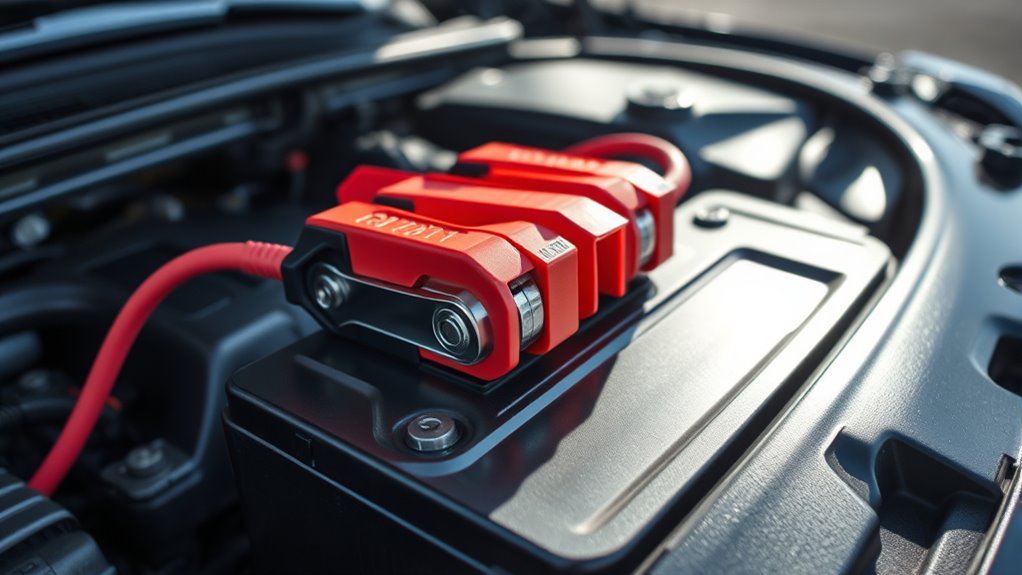
How You Start a Car With a Battery Charger Connected
Starting a car with a battery charger connected can feel daunting, especially if you’re not sure how to do it safely. Many people struggle with this process, worried about damaging their vehicle or the charger. But don’t worry—you’re not alone, and with a few simple steps, you can get your car running smoothly again.
To start a car with a battery charger connected, first confirm the charger is off and identify your battery type. Connect the red clamp to the positive terminal and the black clamp to a grounded metal surface.
Plug in the charger, turn it on, and set the appropriate amp and voltage. Once the charger is active, turn the ignition key to start your car.
If any issues arise, there are ways to troubleshoot and maintain your battery effectively.
Key Takeaways
- Make sure the charger matches your battery type and set the voltage and amperage correctly before connecting.
- Attach the red clamp to the positive terminal and the black clamp to a grounded metal surface.
- Turn on the charger and watch the indicators to ensure everything looks good before trying to start the car.
- Start the vehicle by turning the ignition key, then let the engine idle for a few moments.
- Keep an eye on the battery health and connections regularly to prevent problems and keep things running smoothly.
Understanding the Basics of Battery Chargers
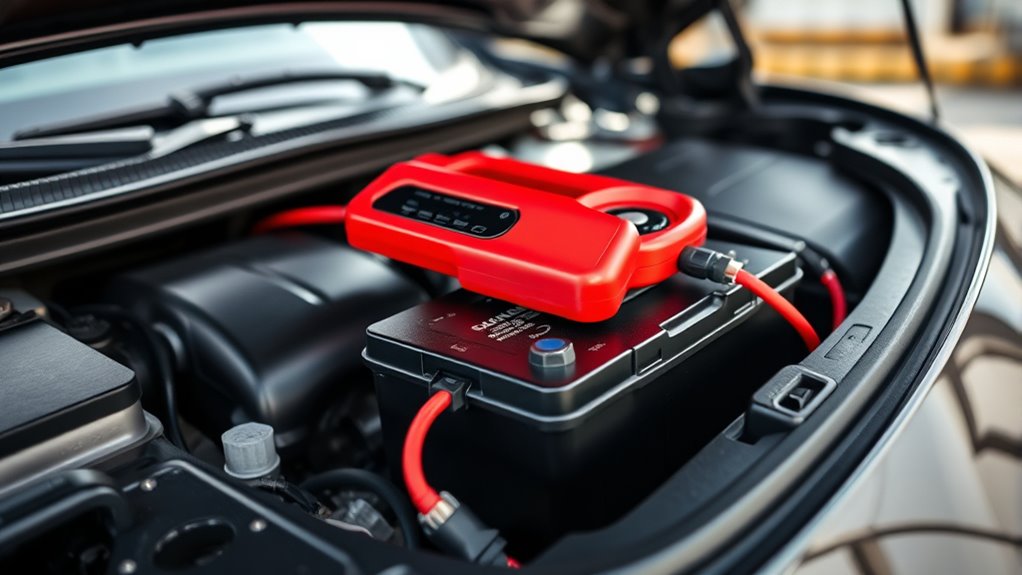
When you need to jump-start your car, understanding battery chargers is really helpful. Different battery types, like lead-acid and lithium-ion, need specific chargers to work properly. Knowing these differences can save you time and frustration.
Charger features are also important. Look for one with adjustable settings so you can match the voltage and amperage to your car’s battery. Some chargers have smart technology that automatically adjusts the charge, which helps prevent overcharging.
Think about portability and how easy the charger is to use. A lightweight, compact charger can be a real lifesaver in emergencies. Always check for safety features like reverse polarity protection to avoid accidents.
Safety Precautions Before Starting Your Car
Before you start your car with a battery charger, it’s really important to prioritize safety. First, make sure you’re in a well-ventilated area because batteries can give off harmful gases. Avoid enclosed spaces to stay safe.
Next, check the battery for any leaks or corrosion. If you see anything unusual, don’t go ahead with charging. Always wear protective gear like gloves and goggles to protect against acid spills and sparks.
Check the battery for leaks or corrosion before charging, and always wear protective gear for safety.
When connecting the charger, follow the correct steps carefully. Turn the charger off before attaching the cables to prevent sparks. Connect the positive (+) terminal first, then the negative (-) terminal.
Keep metal objects away from the battery so you don’t accidentally create a short circuit. Finally, double-check your connections and make sure the charger is compatible with your battery. Following these steps helps ensure a safe and successful start.
How to Connect a Battery Charger
With safety precautions in place, you’re ready to connect the battery charger. First, identify the battery type in your car—whether it’s lead-acid, AGM, or gel cell. This helps you choose the right charger features, since some chargers are designed for specific battery types.
Start by placing the charger near your vehicle, making sure it’s turned off. Connect the red (positive) clamp to the positive terminal of the battery, then attach the black (negative) clamp to a grounded metal surface on the vehicle, away from the battery. This helps reduce the risk of sparks.
Once everything is connected securely, plug in the charger and turn it on. If your charger has settings, select the right one based on your battery type and how much charge it needs. Keep an eye on the process to make sure everything is working smoothly. Now you’re all set for the next step!
Starting Your Car With the Charger Connected
Now that your battery charger is connected, it’s time to give your car a boost. Follow these steps to start your vehicle while the charger stays attached:
- Check the charger settings: Make sure it’s set for the right battery type—lead-acid or AGM.
- Turn on the charger: Activate it and select the correct amp setting for jump starting.
- Start your car: Turn the ignition key and listen for the engine to roar to life.
- Monitor the charger: Keep an eye on the indicators; they should show that the battery is charging.
Once your engine is running, let it idle for a few moments to make sure everything’s working smoothly. Carefully disconnect the charger, and you’re all set. This quick process can save you from being stranded with a dead battery!
Troubleshooting Common Charging Problems
Having trouble starting your car after using a battery charger? No worries, let’s figure it out together. First, take a quick look at the charger connections to make sure they’re nice and snug. Sometimes, loose connections can be the culprit.
Then, it’s a good idea to check the condition of your battery. See if it looks corroded or damaged. Also, think about how long you’ve been charging — maybe it just needs a bit more time to fully juice up. With these simple steps, you’ll get a better idea of what’s going on and what to do next.
Check Charger Connections
Checking charger connections is key when troubleshooting common charging problems. If your car’s battery isn’t charging properly, it’s a good idea to inspect the connections closely.
Start by verifying that the charger matches your battery’s specifications to ensure compatibility. Then, check that the clamps are tightly attached to the battery terminals so the connection is secure.
Look for any corrosion on the terminals, as this can disrupt the connection and cause charging issues. Finally, confirm that the positive and negative connections are correctly positioned to avoid polarity problems.
Verify Battery Condition
Verifying your battery’s condition is key to troubleshooting charging problems effectively. Start with a voltage check; a healthy battery should read around 12.6 volts.
Next, inspect the electrolyte level. Make sure it’s adequate because low levels can hinder performance. Don’t forget to assess the surface charge; a quick test can show if your battery has been sitting too long.
Conduct a load test to determine its capacity and overall health. Battery age is also important—older batteries often struggle to hold a charge.
Finally, perform a corrosion inspection on terminals and cables. Corrosion can block connections, so addressing these issues will help you identify problems and ensure your battery is ready for a successful start.
Assess Charging Time
After confirming your battery’s condition, it’s time to assess how long it will take to get your car running again. First, check the charger’s settings to ensure it’s delivering the right voltage for your battery type.
Think about these factors to estimate charging time:
- Battery size: Bigger batteries need more time to fully charge.
- Current charge level: If your battery is very discharged, it will take longer to recharge.
- Charger’s output: A charger with higher amperage can speed up the process.
- Temperature: Extremely cold or hot weather can impact how efficiently your battery charges.
What to Do If Your Car Doesn’t Start?
If your car isn’t starting, the first thing you want to do is pop the hood and check those battery connections. Make sure they’re tight and that there’s no corrosion or buildup on the terminals. Sometimes, a simple cleaning or tightening can do the trick and get your car to start again.
After that, it’s a good idea to take a quick peek at the starter motor. If it’s acting up or sounds funny when you turn the key, that might be the culprit. Checking these areas can really help you figure out what’s going on and hopefully save you a trip to the mechanic.
Check Battery Connections
Before diving into any troubleshooting, start by checking the battery connections. A visual inspection can reveal issues that might prevent your car from starting.
Look for battery corrosion on the terminals and clean them for terminal cleanliness. Make sure all connections are tight for connection stability.
Use proper tools to avoid damaging cables and causing cable strain. Check the battery type and refer to your maintenance schedule for specific care instructions.
If you notice any problems, consider using jumper cables to help with charging. Addressing these basics can save you time and effort before moving on to more complex issues.
Examine Starter Motor
With the battery connections checked and cleaned, it’s time to look at the starter motor. This part is crucial for your car’s operation because it starts the engine.
First, identify your starter motor type—whether it’s a permanent magnet or a gear reduction model. They have different features that affect how they perform.
Next, listen for any clicking sounds when you turn the key. That can point to issues with the starter motor or its solenoid.
If the starter isn’t engaging, check the wiring connections or test for voltage. Sometimes, tapping the starter can help if it’s stuck.
If it still doesn’t work, consider replacing the starter motor to ensure reliable performance.
How to Identify When Your Battery Needs Replacement
Recognizing when your car battery needs replacement can save you from unexpected breakdowns and frustration. Over time, batteries show signs of wear that you can’t ignore. Here are some key warning signs to watch for:
Diminished performance: If your car struggles to start, it might indicate a performance decline.
Age indicators: Most batteries last between three to five years; check your battery’s age.
Environmental factors: Extreme temperatures can shorten battery lifespan, so consider this if you live in harsh climates.
Usage habits: Frequent short trips can prevent your battery from fully charging, leading to issues.
If you notice these signs, consider testing methods to evaluate your battery’s health. Investigate replacement options tailored to your battery type for a smooth changeover. Staying proactive with maintenance tips can further extend your battery’s life and reliability.
How to Maintain Your Battery After Use
Once you’ve managed to start your car, it’s really important to keep your battery in good condition. Taking a few simple steps, like checking it regularly and using the right charging methods, can really help extend its life. Let’s take a look at some easy ways to keep your battery performing reliably over time.
Regular Battery Inspections
Keeping your car battery in good shape means checking it regularly. This helps ensure it performs well and lasts longer.
Start by measuring the voltage often. This simple step can tell you if your battery is healthy or needs attention.
Next, clean the terminals to stop corrosion from building up. Corrosion can make it harder for your battery to connect properly.
Don’t forget to check the electrolyte levels. If needed, top them off with distilled water, especially during hot weather.
Finally, adjust how often you charge your battery based on its type and the season. Proper care keeps your battery running smoothly.
Proper Charging Techniques
Charging your battery properly is key to keeping it healthy and performing well. First, check the type of battery—lead-acid or lithium-ion—as they have different charging needs.
For lead-acid batteries, aim for a charge time of about 6-8 hours. Don’t go over 10 hours to avoid damaging the battery. Lithium-ion batteries usually need just 2-4 hours, depending on your charger.
Make sure you use a compatible charger to prevent overcharging, which can reduce capacity. Once your battery is charged, disconnect the charger quickly and store it in a cool, dry place.
Regularly check your battery’s health and consider using a trickle charger if your vehicle will sit unused for a while. This helps keep your battery in top shape and ready to go.
How to Choose the Best Battery Charger for Your Vehicle
How can you guarantee you choose the right battery charger for your vehicle? Start by understanding the different battery charger types and their features. Here’s what to take into account:
Choosing the right battery charger starts with understanding charger types and their essential features.
- Charging Amperage: Higher amperage means quicker charging, but it can be risky for smaller batteries.
- Compatibility: Make sure the charger matches your battery type, like lead-acid or AGM.
- Portability: A compact, lightweight charger is great if you need to take it on the go.
- Smart Features: Look for chargers with automatic shut-off or maintenance modes to help extend your battery’s life.
Tips for Getting the Most Out of Your Battery Charger
While using your battery charger might seem simple, there are some key tips to make it more efficient and help your battery last longer. First, always check the manufacturer’s instructions for the best settings. Using the correct voltage ensures safe charging and boosts efficiency.
Next, keep your charger in a cool, dry place. Excess heat can hurt your battery’s lifespan, so avoid charging in direct sunlight or near heat sources.
Also, keep an eye on the charging process. Unplug the charger once the battery is fully charged to prevent overcharging, which can shorten your battery’s life.
Finally, regularly clean the battery terminals to keep a good connection. Corrosion can slow down charging, so use a wire brush or terminal cleaner to keep them in good shape.
Frequently Asked Questions
Can I Use Any Battery Charger for My Car?
You can’t just use any battery charger for your car. Different charger types exist, like trickle chargers and jump starters, each suited for specific needs.
Always check the voltage and amperage compatibility with your vehicle’s battery. Plus, follow charger safety tips: avoid overcharging, ensure good connections, and don’t use a damaged charger.
Choosing the right charger guarantees your car starts safely and efficiently without risking battery damage or electrical issues.
Will Using a Charger Damage My Car’s Electrical System?
Yes, using a charger can damage your car’s electrical system if you’re not careful. You might think all chargers are the same, but they aren’t.
Different charger types can produce varying voltages, and if you connect the wrong one, you could fry delicate components. Always prioritize battery safety and check your car’s specifications before connecting a charger.
Ignoring this could lead to costly repairs and a lot of frustration down the road.
How Long Can I Leave the Charger Connected?
You can leave the charger connected for a few hours, but it’s best not to go over 24 hours.
For safety, keep an eye on the process and make sure it’s meant for your battery type. Regularly check your battery’s condition to prevent overcharging, which can damage it.
Good battery maintenance means unplugging the charger once it’s fully charged. This helps keep your car’s electrical system healthy and can extend your battery’s lifespan.
What if My Charger Sparks When Connecting?
If your charger sparks when connecting, it’s important to stay safe. Disconnect immediately and check your connections.
Make sure you’re attaching the clamps correctly—red to positive and black to negative. Avoid touching the clamps together to prevent sparks.
If sparking keeps happening, inspect both the charger and battery for any damage. It’s a good idea to get professional help if needed.
Remember these tips to avoid issues down the road. Always prioritize safety when dealing with electrical connections.
Can I Jump-Start My Car With a Charger?
Yes, you can jump-start your car with a charger, but it depends on the charger type. Some chargers have specific jump-starting features that allow you to power your car directly.
Make sure you’re using a compatible charger with enough output to start your vehicle. Always check the manufacturer’s instructions before proceeding.
Remember to connect the cables correctly to avoid sparks or damage. Safety should always come first!
Conclusion
Starting your car with a battery charger can feel like reviving a sleeping giant. By following the steps outlined, you’ll breathe life back into your vehicle and be ready for your next adventure.
Think of it like tending to a garden—regular battery maintenance keeps your ride flourishing and ready to go.
So, welcome the power of your charger, and you’ll be cruising down the road in no time, leaving worries behind like dust in the rearview mirror.