How to Check Power Steering Fluid in 7 Simple Steps
Many car owners find checking power steering fluid a bit intimidating or confusing, but you’re not alone. It’s a simple task that can make a big difference in keeping your vehicle running smoothly.
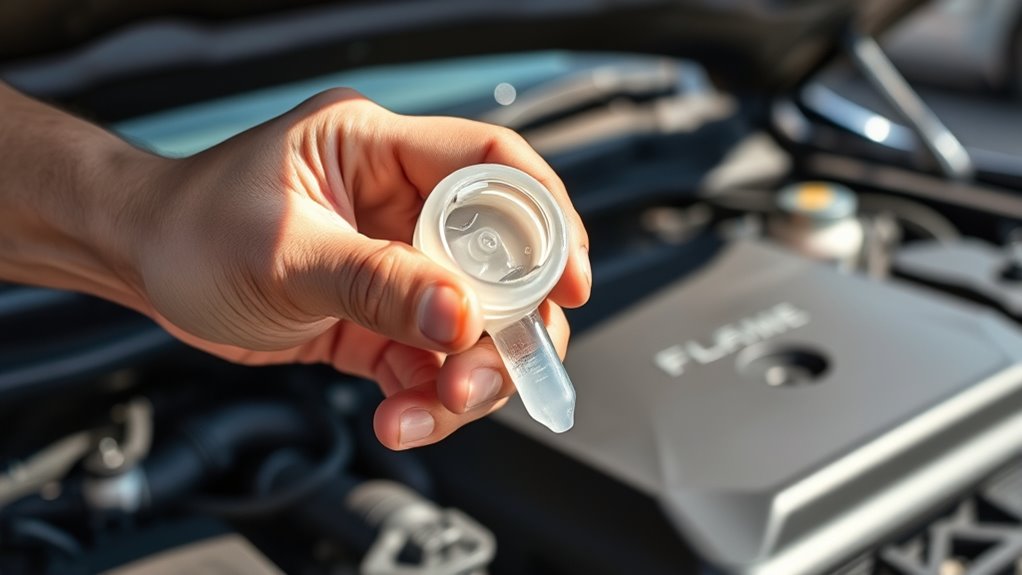
To check your power steering fluid, start by locating the reservoir and removing the cap. Use the dipstick to check the fluid level between the “MIN” and “MAX” markings.
Make certain the fluid’s color and consistency are good; it shouldn’t be dirty or thick. If it’s low, add the appropriate fluid carefully using a funnel.
After topping up, test your steering responsiveness to verify everything’s working smoothly.
There’s more to guarantee peak performance ahead.
Key Takeaways
- Find the power steering fluid reservoir, usually marked, and carefully remove the cap to prevent contamination.
- Use the dipstick to check the fluid level, making sure it’s between the “MIN” and “MAX” marks. Look at the color and consistency of the fluid.
- If the fluid is low, add the correct type slowly using a clean funnel to avoid spills.
- Once you’ve added fluid, screw the cap back on securely and wipe away any spills right away.
- Test how your steering feels by turning the wheel and listening for unusual noises. Make sure everything operates smoothly.
Common Steering Problems and the Importance of Power Steering Fluid
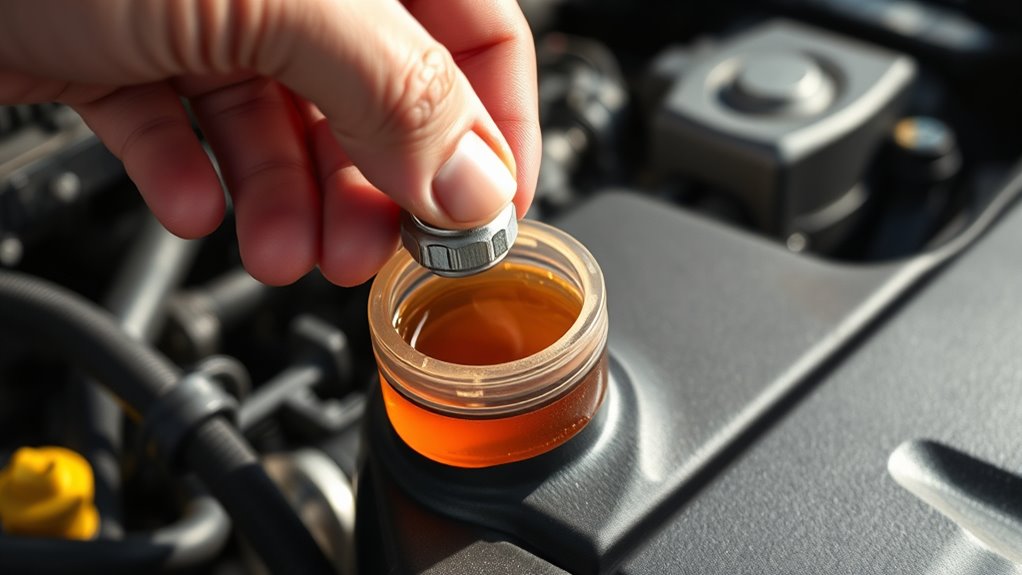
When you’re driving, you might not think about your power steering fluid until something goes wrong. If you notice unusual steering noises, it’s a sign that your power steering system might be struggling. These sounds often mean low fluid levels, which can make steering harder and even cause damage.
Fluid leaks are another common issue. If you see a puddle under your car, it’s important to check the power steering fluid reservoir. Ignoring these problems can turn a small issue into a costly repair.
Fluid leaks can lead to bigger problems; check your power steering fluid reservoir to avoid costly repairs.
Keeping an eye on your fluid levels ensures your steering system runs smoothly. This helps you control your vehicle better while driving. Don’t wait for warning lights or heavy steering to notice something’s wrong.
Regularly checking your power steering fluid can save you from frustrating and expensive repairs later. Stay proactive and keep your vehicle running smoothly.
Essential Tools for Checking Power Steering Fluid
To check your power steering fluid the right way, you’ll want to have a few essential tools on hand. First off, make sure you have the correct type of power steering fluid for your vehicle. It’s also a good idea to have some safety gear, like gloves and safety glasses, just in case. Now, let’s go over what you’ll need to make the checking process both smooth and safe.
Necessary Tools Overview
Checking your power steering fluid doesn’t require a long list of tools, but having a few essentials on hand makes the process smoother. First, grab a clean cloth or paper towel for wiping the dipstick and checking the fluid level.
A funnel can help when adding fluid, ensuring minimal spills. If your reservoir needs cleaning, a soft brush and mild detergent are great for reservoir cleaning techniques.
Finally, keep a flashlight handy for better visibility in tight spaces. These simple tools not only assist in checking levels but also tie into fluid maintenance tips, helping you maintain your power steering system efficiently.
With these essentials, you’ll make the process quick and hassle-free.
Recommended Fluid Types
Selecting the right type of power steering fluid is essential for peak performance. Always check your vehicle’s owner manual to ensure you use the correct fluid.
Using the wrong fluid can cause damage and lead to costly repairs. There are three main types: mineral-based, synthetic, and ATF (automatic transmission fluid). Each has its own properties, so pick the one recommended for your car.
For the best results, follow the manufacturer’s guidelines and any maintenance tips they provide. Regularly check your fluid levels and change the fluid when needed.
Keeping the fluid at the right level and using the correct type improves steering response and helps your power steering system last longer. Remember, choosing the right fluid is an important part of maintaining your vehicle properly.
Safety Equipment Essentials
While guaranteeing your safety during vehicle maintenance, having the right tools is essential for checking power steering fluid. You should always prioritize protection. Here are some key safety essentials you’ll need:
| Tool | Purpose | Importance |
|---|---|---|
| Safety Goggles | Protects your eyes from splashes | Prevents injuries |
| Rubber Gloves | Keeps your hands clean | Reduces exposure to chemicals |
| Funnel | Helps transfer fluid smoothly | Minimizes spills |
| Rags | Wipes up any spills | Keeps your workspace clean |
| Flashlight | Lights up dark areas | Ensures you see clearly |
Using these tools not only keeps you safe but also makes the process easier. Always remember, a little prep work makes vehicle maintenance safer and smoother!
Step 1: Locate the Power Steering Fluid Reservoir
First up, you want to find the power steering fluid reservoir. It’s usually tucked away somewhere towards the back of the engine bay, but keep in mind, its exact spot can change depending on your vehicle.
When you spot a cap that’s marked for power steering fluid, you’ll know you’ve found the right reservoir. This little detail makes it much easier to identify among all the other components under the hood.
Common Reservoir Locations
Locating the power steering fluid reservoir is key to keeping your steering smooth. Different vehicles have different types of reservoirs, so knowing where to look can save you some time.
Common spots include near the front of the engine bay, usually on the driver’s side. You might also find it on the firewall, often behind the engine.
Sometimes, it’s tucked underneath the air intake system if you don’t see it right away. In smaller cars, it could be close to the battery.
Look for fluid that’s clear, reddish, or yellowish—that’s a good sign of the type of power steering fluid your vehicle uses.
Identifying the Cap Markings
Once you’ve found the power steering fluid reservoir, the next step is to identify the cap markings. These markings can tell you a lot about the fluid type you need. Different cap types indicate specific requirements or warnings.
| Cap Type | Marking Meaning | Action Required |
|---|---|---|
| Yellow | Use only specified fluid | Check your manual |
| Red | Do not open while hot | Wait until cool |
| Black | Standard fluid | Top off if low |
Understanding these markings is essential for maintaining your vehicle’s performance. Always refer to your owner’s manual for detailed information on the proper fluid to use. This’ll help you avoid any potential issues down the road.
Step 2: How to Check Fluid Level and Understand Markings
Checking the fluid level in your power steering system is key for smooth steering. To make sure you’re reading the fluid correctly, follow these simple measurement tips.
First, remove the cap carefully. Be sure not to drop any debris into the reservoir. If your reservoir has a dipstick, pull it out and wipe it clean.
Next, insert the dipstick back into the reservoir and then remove it again to check the level. Look for the “MIN” and “MAX” markings on the dipstick or reservoir.
The fluid should be between these two lines. If it’s below “MIN,” you’ll need to add fluid. While checking the level, also pay attention to the fluid color—this can help you know when it might need changing, even if you’re not measuring the level directly.
Step 3: How to Tell if Your Fluid Looks Good
After confirming the fluid level is within the “MIN” and “MAX” range, it’s important to check the fluid’s condition. Look closely at both the color and consistency of the fluid.
Healthy power steering fluid usually looks clear to amber. If it’s dark, cloudy, or smells burnt, it’s time to pay attention.
Here’s a quick reference table to help you judge your fluid’s health:
| Fluid Color | Consistency | Action Needed |
|---|---|---|
| Clear to Amber | Smooth, Viscous | All good! |
| Dark or Cloudy | Thick or Gritty | Consider replacing. |
| Milky or Burnt | Sludgy | Replace immediately! |
Step 4: When and How to Add Fluid
If you notice your power steering fluid is low or looks old, it’s important to add more to keep your steering smooth. Here’s how to do it the right way:
- Choose the Right Fluid: Use the manufacturer’s recommended power steering fluid to avoid problems.
- Locate the Reservoir: Find the power steering fluid reservoir, usually marked with a steering wheel icon.
- Add Fluid Gradually: Pour the fluid slowly, checking the level often. Don’t overfill.
- Seal and Clean Up: Screw the cap back on tightly and wipe up any spills to keep everything clean.
These tips will help keep your steering system in great shape. If you’re unsure, troubleshoot first to find any underlying issues before adding fluid.
Regularly checking and maintaining your power steering fluid can save you time and money later on.
Step 5: Test Steering Responsiveness After Adding Fluid
Now that you’ve added power steering fluid, it’s time to test how responsive your steering is. Start your vehicle and let it run for about a minute so the fluid can circulate properly.
With the engine on, gently turn the steering wheel left and right. Pay attention to how it feels; it should be smooth and responsive. If you notice stiffness or strange noises, there might be an issue that needs fixing.
After a few turns, check if the steering feels consistent. Good fluid maintenance helps your power steering work efficiently and prevents future problems. If it feels off, you might need to add more fluid or look for leaks.
Frequently Asked Questions
How Often Should I Check My Power Steering Fluid?
You should check your power steering fluid every few months or during regular maintenance.
Keeping an eye on it helps guarantee your steering system operates smoothly.
Fluid maintenance tips suggest looking for leaks or changes in fluid color.
If you notice any issues, address them promptly to avoid bigger problems.
Consistent steering system care can save you from costly repairs and keep your vehicle safe on the road.
Can I Use Any Fluid Type for Power Steering?
Using any fluid type for your power steering is like trying to fit a square peg in a round hole; it just doesn’t work. Stick to the recommended fluid for your vehicle to guarantee fluid compatibility and peak steering performance.
Using the wrong type can lead to leaks or even damage your system. Always check your owner’s manual to choose the right fluid and keep your ride smooth and responsive.
What Are the Signs of Low Power Steering Fluid?
If you’re experiencing steering noise, that’s a key sign your power steering fluid might be low. Listen for whining or groaning sounds when you turn the wheel—this indicates trouble.
You should also check the fluid color. It should be a clear or light amber hue. If it’s dark or contaminated, that could mean a problem.
Keep an eye on these signs to make sure your steering system runs smoothly.
Is It Safe to Drive With Low Power Steering Fluid?
Driving with low power steering fluid isn’t just inconvenient; it can be dangerous. You might notice that steering feels heavy and unresponsive, making quick maneuvers difficult. That’s quite different from the smooth handling you’re used to.
If your fluid levels are low, you risk damaging the steering system. This could lead to costly repairs down the road. It’s best to top it off or have it checked before you get behind the wheel.
Your safety really depends on it. Don’t ignore those warning signs—keeping your power steering fluid at the right level is key to safe driving.
Can Power Steering Fluid Leak Be Repaired Easily?
Yes, a power steering fluid leak can often be repaired easily. Start by locating the leak to find out where it’s coming from—whether it’s a hose, fitting, or the pump itself.
You can fix it by tightening connections or replacing damaged parts. If the leak is minor, sealing products might do the trick.
But if the problem is bigger, it’s best to see a professional. That way, your steering system stays safe and works properly.
Conclusion
In conclusion, checking your power steering fluid is quick and essential for smooth driving. Did you know that nearly 90% of steering issues come from low fluid levels?
Imagine maneuvering a sharp turn and suddenly losing control—it’s a scenario you can easily avoid.
By regularly checking and maintaining your power steering fluid, you ensure a safer and more enjoyable ride.
So, take a moment to check that fluid; your steering system will thank you!