Do You Check Power Steering Fluid in 5 Simple Steps?
Many drivers struggle with keeping their car in top shape, especially when it comes to power steering fluid. It’s a common worry—will my steering stay smooth? Will I avoid costly repairs? You’re not alone in this.
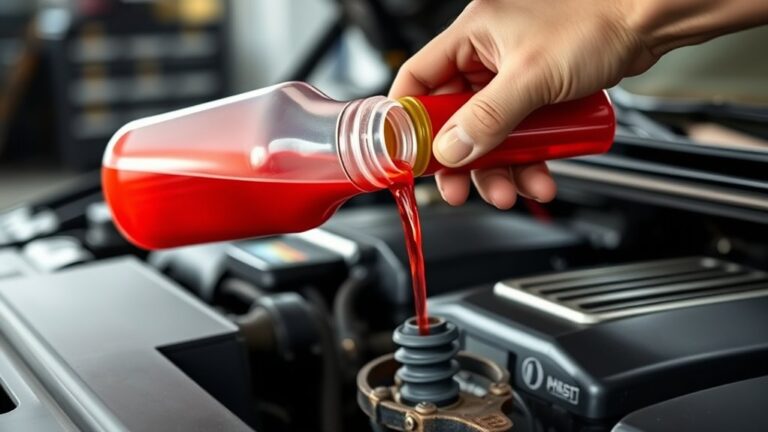
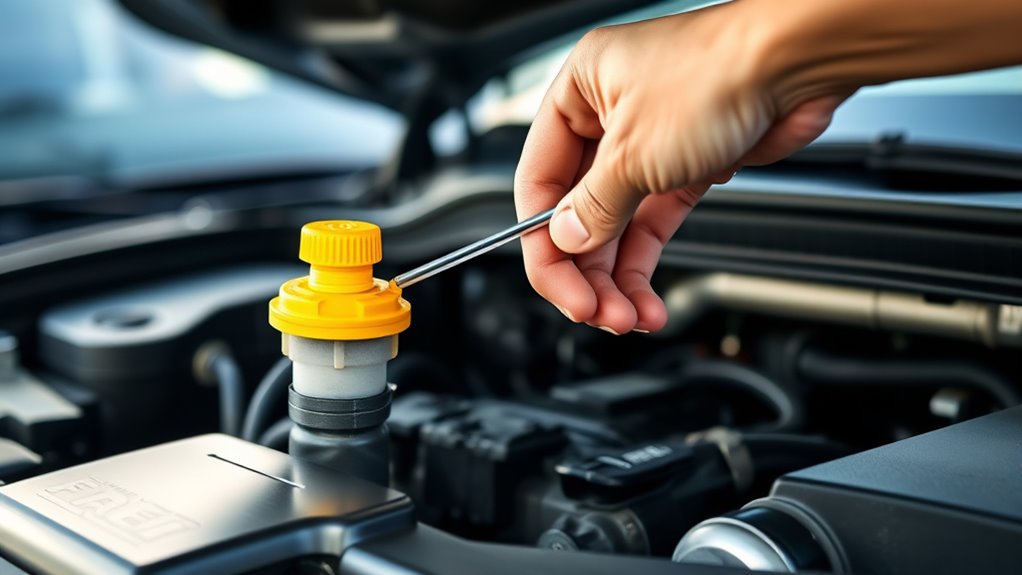
You should check your power steering fluid regularly to keep your steering smooth and avoid costly repairs. First, locate the reservoir and examine the fluid level using the dipstick.
Look for good fluid color—clear or light amber—while dark or cloudy fluid indicates it’s time for a change. Inspect hoses for leaks, and if the fluid’s low or contaminated, top it off or flush the system.
Want to know more about maintaining your power steering fluid?
Key Takeaways
- Find the power steering fluid reservoir and make sure it’s easy to reach for checks.
- Use the dipstick to check the fluid level, keeping it between the minimum and maximum marks.
- Look at the fluid color: clear or light amber is good, but if it’s dark or cloudy, you’ll want to change it.
- Check hoses and connections for leaks, cracks, or wear so you don’t lose fluid unexpectedly.
- If the fluid is low or contaminated, top it off or flush the system. If problems keep happening, see a mechanic.
The Importance of Regular Power Steering Fluid Checks to Avoid Costly Repairs
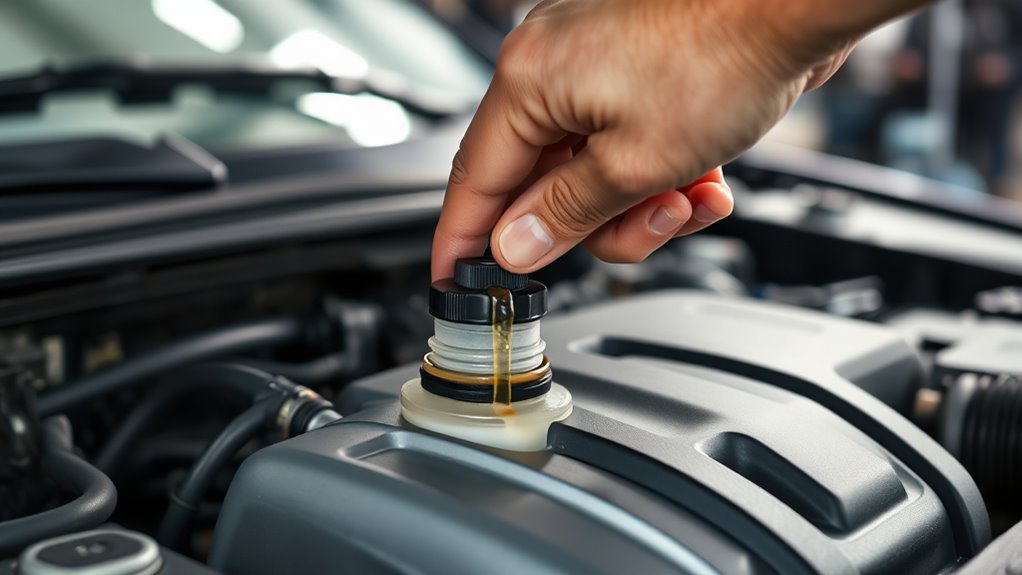
Although you might overlook it, regularly checking your power steering fluid is essential for maintaining your vehicle’s performance and avoiding costly repairs down the line.
Neglecting this simple task can lead to fluid contamination. This contamination can weaken the effectiveness of your steering system.
When the fluid gets contaminated, your steering can feel sluggish and unresponsive. That makes it harder to control your vehicle, which is definitely something you’d want to avoid.
Locating and Checking Your Power Steering Fluid Level
Once you’ve found the power steering fluid reservoir, take a look at the fluid color. Good power steering fluid is usually clear or a light amber shade.
If the fluid looks dark, cloudy, or has particles floating around, it might be time for a change. To check the level, wipe the dipstick attached to the cap, then put it back in and pull it out again.
The fluid level should be between the minimum and maximum marks. If it’s low, add the right type of fluid until it’s at the correct level. Keeping an eye on your power steering fluid helps ensure smooth steering and can extend your vehicle’s life.
What to Check After Inspecting Your Fluid Level?
After you’ve checked your power steering fluid level, it’s important to look for any signs of leaks or damage in the system. Start by inspecting the hoses and connections for any visible cracks or wear.
Pay attention to the fluid color; healthy power steering fluid is typically a clear, reddish hue. If it appears dark or contaminated, it might indicate a problem.
Next, perform some leak detection around the pump and reservoir. A pool of fluid under your vehicle or streaks along hoses can signal a leak. Don’t forget to check the seals as well; worn seals can lead to fluid loss.
Perform leak detection around the pump and reservoir; look for fluid pools or streaks along hoses, and check the seals for wear.
If you notice any unusual noises when turning the wheel, it could also suggest issues within the system. Addressing these checks promptly helps guarantee your power steering system operates smoothly and safely.
Steps to Take When Power Steering Fluid Is Low or Contaminated
When your power steering fluid is low or contaminated, it’s important to act quickly to avoid more damage. First, check your fluid level; if it’s below the minimum mark, top it off with the right type of fluid.
Next, look for signs of contamination. Dirt, moisture, or leaks can cause issues like whining noises, a stiff steering wheel, or steering difficulty. If you see contamination, it’s best to flush the system.
You can do this by removing the old fluid and replacing it with fresh fluid, making sure to clear out any debris. After flushing, keep an eye on the fluid level and check for leaks regularly.
If problems continue, it’s a good idea to call a mechanic. They might need to do a more thorough inspection to keep your steering in top shape. Taking these steps will help your vehicle steer smoothly and last longer.
Power Steering Fluid Maintenance Tips
To keep your power steering system running smoothly, regular maintenance is essential. Check your power steering fluid levels every few months—this is your maintenance frequency.
Make sure you’re using the correct fluid types listed in your vehicle’s manual. Mixing different fluids can cause problems, so stick to the recommended ones.
Using the correct power steering fluid type is crucial; always refer to your vehicle’s manual to avoid issues.
If the fluid changes color or gets thicker, it’s time for a change. Dark, dirty fluid shows contamination, which can damage your system.
Flushing the system every two years can help prevent buildup and keep everything working well. Don’t ignore unusual noises or steering issues—they might be signs of a problem.
Frequently Asked Questions
How Often Should I Check My Power Steering Fluid?
You should check your power steering fluid at least once a month as part of your regular maintenance.
If you notice any leaks or if steering feels stiff, it’s a good idea to check more often.
Also, consider changing the fluid every two years or as your vehicle’s manual recommends.
Keeping an eye on the fluid helps ensure smooth steering and can prevent costly repairs later on.
Can I Use Any Fluid Type for Power Steering?
You can’t just use any fluid type for power steering. Using the wrong fluid can actually reduce your steering performance by about 30%.
Always check your vehicle’s manual to see what fluid is recommended. Compatibility is key—mixing different types can cause damage to your system.
Stick to the specified fluid to keep your steering smooth and your power steering components lasting longer. Keep your ride safe and running efficiently!
What Are the Symptoms of Low Power Steering Fluid?
If you hear steering noise like whining or groaning sounds when you turn, it could mean your power steering fluid is low. You might also notice fluid leaks under your vehicle, which is another sign to watch out for.
If your steering feels stiff or unresponsive, that’s another clue something’s wrong. Don’t ignore these signs, since low fluid can cause more serious problems later on.
Taking care of it early can save you from costly repairs down the line.
Is Power Steering Fluid the Same as Brake Fluid?
No, power steering fluid isn’t the same as brake fluid. They’re designed for different systems in your vehicle.
For effective power steering maintenance, it’s essential to use the correct fluid. Mixing them can cause serious issues and affect fluid compatibility, leading to system failures.
Always check your owner’s manual for the right specifications and confirm you’re using the right type. This helps keep your steering smooth and your brakes responsive.
Can I Drive With Low Power Steering Fluid?
Driving with low power steering fluid is like trying to steer a ship with a broken rudder. It’s tricky and unsafe. You might face steering issues that could put you in a tight spot, making turns feel heavy and unresponsive.
Fluid maintenance is vital; without it, your steering system can suffer severe damage. It’s best to top off that fluid before hitting the road again. Safety first, right? Don’t risk your ride!
Conclusion
In the grand symphony of your car’s performance, power steering fluid plays an essential note. Checking it regularly helps ensure a smooth, effortless drive, like a dancer twirling gracefully.
Keep an eye on that fluid level because it’s your vehicle’s lifeblood. When you follow these simple steps, you can extend the life of your steering system and avoid costly repairs.
By maintaining proper power steering fluid, you’ll enjoy a hassle-free ride and steer clear of trouble. It’s a small step that makes a big difference in keeping your car running smoothly.