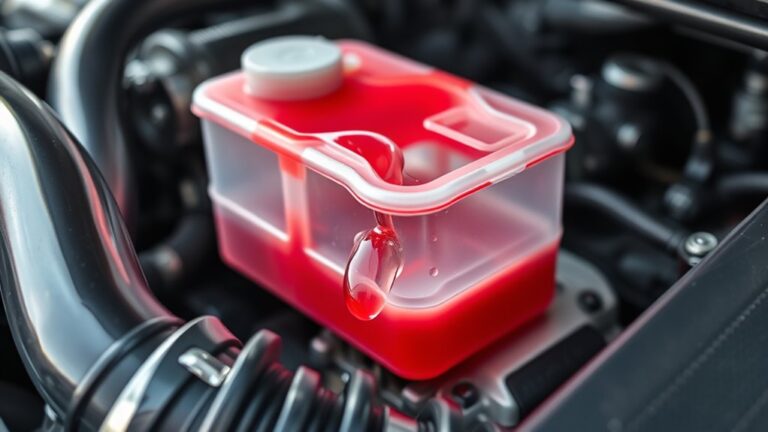
7 Easy Steps to Add Power Steering Fluid Like a Pro
Many drivers find maintaining their vehicle’s power steering fluid to be a confusing or daunting task. You’re not alone—many people struggle with knowing when and how to add fluid properly. Luckily, it’s easier than you think, and keeping it topped up is key to safe, smooth driving.
Adding power steering fluid is simple and essential for your vehicle’s safety. First, check for low fluid levels by looking for heavy steering or whining noises.
Gather a funnel, clean cloth, and the right fluid. Locate the power steering reservoir, remove the cap, and fill with fluid, checking levels as you go. Secure the cap afterward.
Be careful not to overfill or use the wrong fluid. If problems persist, you might need expert advice for peace of mind and reliable repairs.
Key Takeaways
- Make sure your vehicle is on a level surface and the engine is off before you begin.
- Check your owner’s manual to find out which type of power steering fluid your car needs.
- Carefully take off the reservoir cap and use a funnel to pour in the fluid, being careful not to spill.
- Keep an eye on the fluid level with a dipstick, and avoid overfilling the reservoir.
- Once you’re done, replace the cap securely and watch for any leaks or issues while driving.
The Importance of Maintaining Power Steering Fluid Levels for Safe Driving
When you neglect your power steering fluid levels, you’re risking your vehicle’s performance and your safety on the road. The fluid’s main job is to keep steering smooth, making driving more comfortable.
Low fluid levels can put extra strain on the steering system, which can make it harder to steer and control your vehicle safely. Regularly checking and maintaining the fluid helps prevent contamination that could cause costly damage.
Low power steering fluid levels increase strain on the system, making vehicle control difficult and potentially unsafe. Regular checks are essential.
Keeping an eye on your fluid levels not only helps avoid expensive repairs but also extends your vehicle’s lifespan. It’s a simple task that can make a big difference in your driving experience.
Proper fluid levels ensure precise control and reduce the risk of accidents. So don’t overlook your power steering fluid — it’s vital for both your safety and your car’s health.
Identify Low Power Steering Fluid Levels
Recognizing low power steering fluid levels is key to keeping your driving safe and smooth. If you notice your steering feels heavy, hear whining noises when turning, or experience a delayed response, these could be signs you need to check your fluid levels.
Start by locating your power steering reservoir, usually labeled and near the engine. Check the fluid level against the markings on the reservoir to see if it’s low. Keep in mind, different vehicles might use different types of fluid, so it’s important to know what your car needs.
If the fluid is below the recommended level, it’s time to add some. Ignoring low levels can cause extra wear on your steering system and may lead to failure. Make it a habit to monitor your power steering fluid regularly for a smoother, safer drive.
Gathering the Right Tools and Materials
Before you start adding power steering fluid, gather the right tools and materials to make things smooth and easy. First, make a tools checklist. You’ll need a funnel for easy pouring, a clean cloth to wipe up spills, and, if needed, a turkey baster or siphon to remove old fluid.
Next, get familiar with the different fluid types that work with your vehicle. Check your owner’s manual to make sure you’re using the right one. Using the correct fluid is key to keeping your system healthy.
Finally, have some gloves ready to keep your hands clean. It’s also a good idea to have a container for disposing of any old fluid. With these tools and materials in hand, you’ll be prepared to handle the task like a pro.
Locating the Power Steering Fluid Reservoir
With your tools and materials ready, the next step is finding the power steering fluid reservoir. Usually, it’s near the engine, often on the driver’s side.
Look for a small, cylindrical container with a cap labeled “Power Steering” or a steering wheel icon. If you’re unsure, check your vehicle’s manual for the exact location.
Depending on your car’s make and model, the reservoir can differ in color and shape. Some are see-through, so you can check the fluid level visually. Others might need you to open the cap to inspect.
Remember, different systems use different fluids, like ATF or dedicated power steering fluids. Make sure you know which type your vehicle needs before proceeding.
Spotting the reservoir is key, as it sets the stage for properly maintaining your power steering system.
Adding Power Steering Fluid Like a Pro
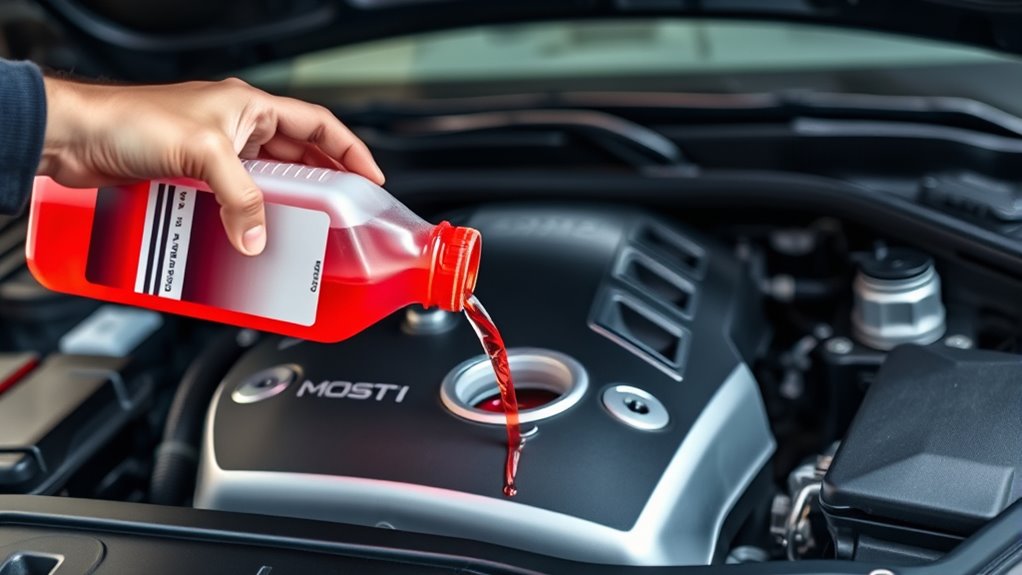
Once you’ve located the power steering fluid reservoir, it’s time to add fluid like a pro. Start by making sure your vehicle is on a level surface and the engine is off. Carefully remove the reservoir cap—there might be some pressure.
Use a funnel to prevent spills and slowly pour in the recommended power steering fluid. Check your owner’s manual for the specific type needed, since using the wrong fluid can cause problems.
As you add fluid, periodically check the level with the dipstick if your vehicle has one. This isn’t just about topping off; it’s a good part of maintaining your power steering system.
If you notice the fluid is dark or contains debris, it’s time for a replacement. Following these tips helps keep your steering system running smoothly. Once finished, securely replace the cap and you’re ready to hit the road!
Avoid These Common Mistakes When Adding Fluid
When you’re adding power steering fluid, there are a few common mistakes you’ll want to watch out for. For example, using the wrong type of fluid can cause issues with your steering system. It’s always a good idea to double-check your vehicle’s manual to make sure you’re using the right fluid.
Another thing to keep in mind is not to overfill the reservoir. Too much fluid can create pressure problems and lead to leaks or damage. And don’t forget about regular checks — keeping an eye on the fluid level and condition can save you from bigger repairs later on. By avoiding these mistakes, you’ll help keep your steering smooth and safe for the road.
Use Correct Fluid Type
Using the correct type of power steering fluid is essential to keep your vehicle running smoothly and last longer. Always check your owner’s manual for the right fluid because using the wrong one can cause serious problems. Pay close attention to viscosity—using the right thickness ensures everything works as it should.
Here’s a quick reference table to help you pick the right fluid:
| Vehicle Type | Recommended Fluid | Common Mistakes |
|---|---|---|
| Domestic Cars | Dexron III or IV | Using ATF instead |
| European Cars | CHF 7.1 or CHF 202 | Ignoring fluid specs |
| Asian Vehicles | Toyota PS Fluid | Mixing different types |
| SUVs and Trucks | Mercon V | Using incorrect viscosity |
Overfill the Reservoir
While adding power steering fluid, it’s really important not to overfill the reservoir. Overfilling can cause serious problems, like fluid spilling out and damaging other parts of your steering system.
If you see fluid spilling, that’s a clear sign you’ve added too much. Excess fluid can also create air bubbles, which can make your steering feel less responsive and even cause noise.
To avoid these issues, always check the dipstick or markings on the reservoir to see your level. If you’re unsure how much to add, it’s better to be cautious.
A little less fluid is safer than risking costly repairs from overfilling. Keep your steering smooth and reliable by filling it carefully.
Neglect Regular Checks
Neglecting regular checks on your power steering fluid can cause unexpected problems later on. Keeping an eye on your fluid levels is crucial for smooth steering.
If you skip these checks, you might end up with harder steering, strange noises, or even steering failure. Regular fluid maintenance keeps everything running smoothly and prevents damage to key parts.
Make a habit of inspecting your power steering fluid at least once a month. Check for clarity and proper levels, and top off if needed. Staying proactive will improve your vehicle’s handling and extend the life of your steering system.
Don’t wait for a problem to happen—check it regularly and stay ahead of potential issues.
Signs You May Need Professional Help
If you notice unusual sounds or difficulty steering your vehicle, it’s time to think about seeking professional help. A healthy steering system should work smoothly, so any grinding, whining, or squealing noises are red flags. These sounds often mean worn parts or low power steering fluid.
Watch out for fluid leaks under your car. If you see a puddle of reddish-brown fluid, your steering system might be in trouble. Leaks can let air into the system, which can cause more problems and make steering even harder.
Another sign is a stiff steering wheel that takes extra effort to turn. This could mean your power steering fluid is low or there’s an issue with the system. Don’t ignore these warning signs; fixing them early can save you from costly repairs later. If any of these problems come up, it’s best to see a professional mechanic.
Frequently Asked Questions
What Type of Power Steering Fluid Should I Use?
You should use the type of power steering fluid specified in your vehicle’s owner manual. Common options include ATF (automatic transmission fluid) and dedicated power steering fluid.
When choosing a fluid, stick to reputable brands like Valvoline or Lucas to ensure quality. Always double-check compatibility because using the wrong fluid can seriously damage your system.
Keeping your steering smooth depends on selecting the right fluid for your car’s needs.
How Often Should I Check My Power Steering Fluid?
They say “an ounce of prevention is worth a pound of cure.” You should check your power steering fluid every month or before long trips.
Regular power steering maintenance can prevent costly repairs down the line. During your fluid reservoir inspection, look for proper levels and any leaks.
Keeping an eye on it guarantees your steering system runs smoothly, so you can enjoy a safer, more responsive driving experience.
Can I Mix Different Brands of Power Steering Fluid?
You shouldn’t mix different brands of power steering fluid. While some fluids might seem compatible, they can have additives that don’t work well together.
This can cause your system to perform poorly or even get damaged. Always check for brand compatibility and use the manufacturer’s recommended fluid.
If you’re unsure, it’s best to stick with the same brand you’ve been using to keep your power steering system running smoothly.
What Are the Symptoms of a Power Steering Fluid Leak?
When it rains, it pours, and spotting a power steering fluid leak can be a real hassle.
You’ll notice steering becoming difficult or stiff, hear whining noises when turning, or see puddles under your vehicle.
Keep an eye on your fluid levels; regular leak detection is essential for fluid maintenance.
If you catch these symptoms early, you can save yourself from bigger problems down the road.
Don’t ignore the signs!
Is It Safe to Drive With Low Power Steering Fluid?
No, it’s not safe to drive with low power steering fluid. You’ll probably hear steering noise, and your steering might feel stiff or unresponsive.
Low fluid levels can put extra strain on your power steering pump, which could cause more serious damage. If you notice these signs, check the fluid levels right away and add more if needed.
Ignoring the problem could lead to expensive repairs and make driving more difficult. It’s always best to stay safe on the road.
Conclusion
Maintaining your power steering fluid isn’t just a chore; it’s an essential step toward safe driving. By keeping an eye on those fluid levels, you’re not just preventing wear and tear—you’re protecting yourself and your loved ones on the road.
Imagine the peace of mind you’ll have, knowing your steering is smooth and responsive. Take a moment to check that reservoir because your safety depends on it.
When your power steering fluid is at the right level, driving feels easier and more comfortable. Plus, you’re less likely to experience steering problems or costly repairs down the line.
So, make it a habit to check your power steering fluid regularly. Keeping the fluid in check will help you drive confidently every time you hit the road.