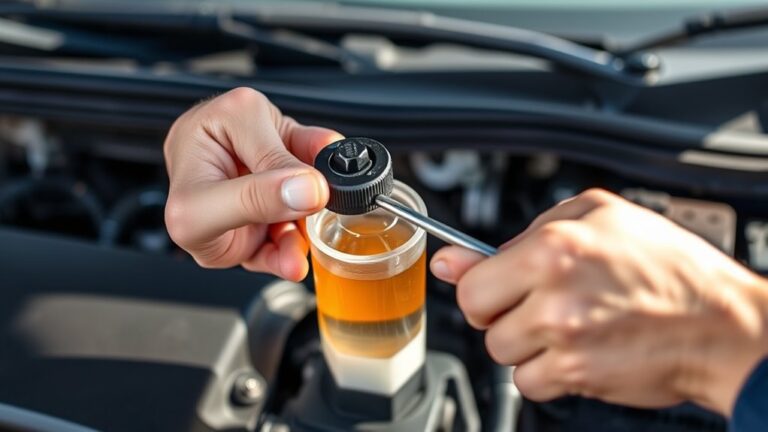
How Often to Change Power Steering Fluid
Are you tired of dealing with stiff steering, strange noises, or the fear of costly repairs? You’re not alone—many drivers struggle with maintaining their power steering systems.
Regularly changing your power steering fluid is a simple step that can save you time and money, keeping your drive smooth and safe.
You should change your power steering fluid every 2-3 years or every 30,000-60,000 miles, whichever comes first. Regular maintenance keeps your steering smooth and prevents costly repairs.
Look out for dark or cloudy fluid, unusual noises, and decreased responsiveness—these are signs it’s time for a change.
Checking fluid levels monthly helps maintain peak performance.
If you want to know more about effective maintenance and common mistakes, keep exploring the details ahead.
Key Takeaways
- Change your power steering fluid every 2-3 years or after 30,000-60,000 miles, as your owner’s manual suggests.
- Regular maintenance helps protect against wear and keeps your steering working smoothly.
- Check fluid levels once a month to catch any issues early.
- Keep an eye out for signs of contamination, like discoloration or weird smells, which might mean you need to change the fluid more often.
- Always flush and replace the fluid following the manufacturer’s guidelines to avoid damaging the system.
Why Power Steering Fluid Is Essential for Your Vehicle
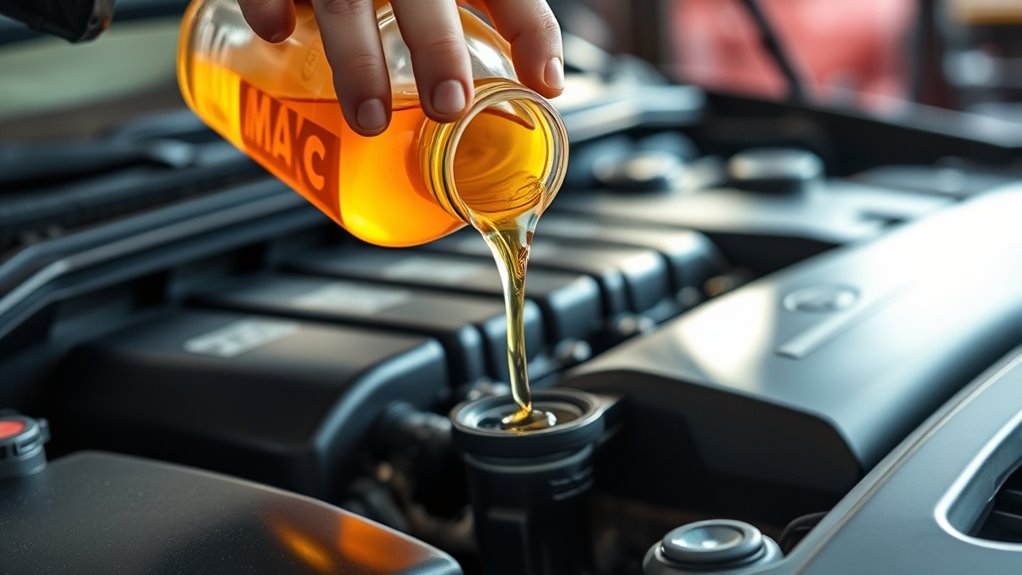
Power steering fluid is the lifeblood of your vehicle’s steering system. Its main job is to make steering effortless so you can navigate easily. This fluid has special additives that boost its performance, helping it handle high pressures and temperatures.
When you turn your steering wheel, the fluid sends your input to the steering mechanism, giving the force needed to turn the wheels. Without it, you’d feel a lot more resistance, making driving much harder.
Plus, power steering fluid lubricates the parts inside the steering system, helping reduce wear and tear. Keeping the right level and good quality is crucial. If the fluid breaks down or gets contaminated, steering problems and expensive repairs can happen.
Knowing how important power steering fluid is helps you keep your steering system running smoothly and efficiently.
How to Identify When Your Power Steering Fluid Needs Changing
Wondering when it’s time to change your power steering fluid? It’s actually pretty straightforward—there are a few signs to watch out for. For starters, if the fluid looks different than it normally does, like turning darker or cloudy, that’s a good clue it’s time for a change.
You might also notice some weird noises when you’re steering, like squealing or whining sounds. That’s often a sign that the fluid isn’t doing its job properly anymore. And if steering feels more difficult than usual, or if it’s harder to turn the wheel smoothly, don’t just brush it off. These are warning signs that your power steering fluid could need some attention.
Fluid Color Changes
When checking your vehicle’s power steering fluid, color changes can tell you a lot about its condition. Fresh fluid usually looks clear or light pink, depending on the type used.
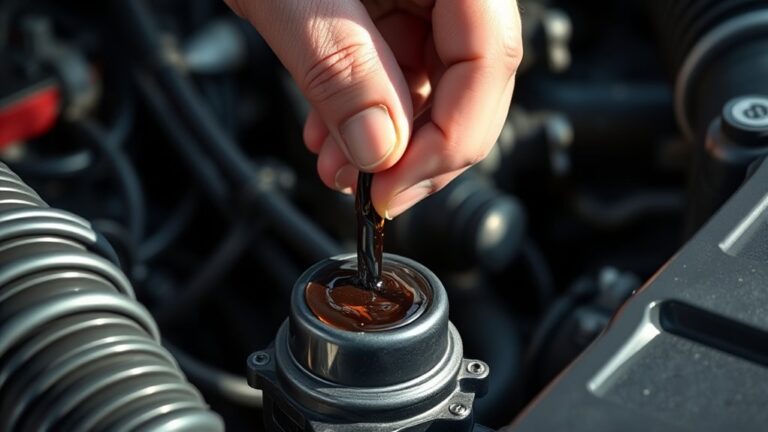
As the fluid ages and picks up contaminants, it may darken to reddish-brown or even black. These color shifts suggest the fluid has degraded and might cause steering problems if ignored.
If you notice any unusual shades, it’s a good idea to consider changing the fluid. Regularly inspecting the color helps keep your steering smooth and prevents long-term damage.
Staying on top of these checks can save you time and money in the long run.
Unusual Noises While Steering
Try turning the wheel slowly to diagnose the issue. If the noises keep happening, it’s a clear sign something’s wrong. Ignoring these sounds can lead to bigger problems later, like damage to the power steering pump.
Difficulty Steering Vehicle
A noticeable difficulty in steering can indicate that your power steering fluid needs attention. If you find your steering responsiveness has decreased, it might be time to check the fluid levels.
Low fluid can lead to harder steering and decreased control, making driving a challenge. If the fluid appears dark or gritty, it suggests contamination, which can impair performance further.
Contaminated fluid can cause wear and tear on your power steering system, leading to bigger problems down the line. Regularly inspecting the fluid and changing it as needed helps keep your steering smooth and responsive.
Don’t ignore these signs. Addressing them early can save you from costly repairs and make your driving experience better.
Change Intervals for Power Steering Fluid
While many drivers overlook power steering fluid, keeping track of its change intervals is essential for peak vehicle performance. For most vehicles, you should consider changing your power steering fluid every two to three years or around 30,000 to 60,000 miles.
However, it’s important to check your owner’s manual for specific recommendations, as service intervals can vary based on your vehicle make and model. Regular fluid maintenance not only guarantees smooth steering but also helps protect the power steering system from wear and tear.
Check your owner’s manual for power steering fluid recommendations, as intervals can differ by make and model. Regular maintenance ensures smooth steering and system protection.
If you notice changes in steering feel or any unusual noises, it might be time to check the fluid more often. Staying proactive about these intervals can save you from costly repairs down the road.
Ultimately, keeping your power steering fluid fresh plays a big role in maintaining your vehicle’s overall health and performance.
How to Check Your Power Steering Fluid Level
Regularly checking your power steering fluid level is key to keeping your steering smooth and your vehicle running well. Here’s a simple way to do it:
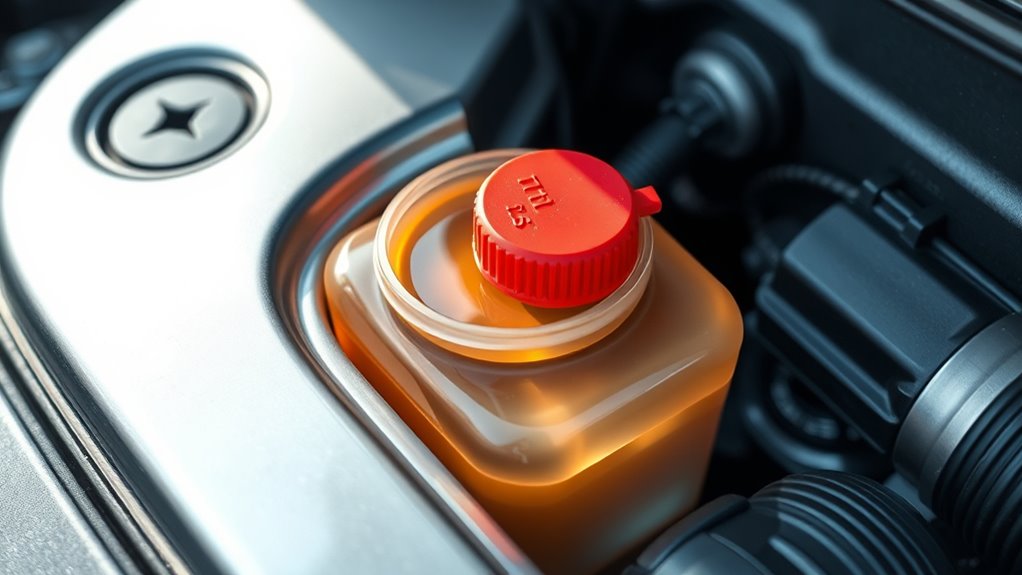
First, find the power steering reservoir, usually located near the engine. Then, clean the cap to keep dirt out of the system.
Next, open the cap and look at the fluid level, comparing it to the markings on the reservoir. If it’s low, you’ll need to add fluid.
Here’s a quick reference table to help with your power steering maintenance:
| Fluid Type | Check Frequency | Replacement Tips |
|---|---|---|
| Clear or Light Red | Monthly | Replace every 30,000 miles |
| Dark or Brown | Monthly | Flush the system if contaminated |
| Low Level | Immediately | Add fluid as needed |
Effects of Contaminated Power Steering Fluid
Contaminated power steering fluid can really mess with how your car handles. You might start to notice that steering feels a bit sluggish or less responsive than usual, which can make turning corners or parking a lot more challenging.
Over time, if you ignore these signs, it can cause more serious problems. The contaminated fluid can lead to increased wear and tear on the steering components, and in some cases, it might even cause the system to overheat. All of this adds up to potential damage that could be costly to fix.
Reduced Steering Responsiveness
If you notice your steering feels sluggish or unresponsive, it could be a sign that your power steering fluid is contaminated. Contaminated fluid can significantly impact performance, making your vehicle harder to maneuver.
You might find that turning the wheel requires more effort, and your steering response lags behind your inputs. This not only affects your driving experience but can also pose safety risks, especially in tight situations or quick maneuvers.
Regularly checking and changing your power steering fluid helps maintain peak steering feel. This ensures your vehicle responds promptly to your commands.
Don’t ignore these signs. Staying proactive can keep your steering system working smoothly and improve your overall driving experience.
Increased Wear On Components
As your power steering fluid ages and picks up debris, it can cause more wear on key parts like the pump and rack and pinion. Contaminated fluid introduces tiny particles that create friction and can damage these components.
Over time, this wear can get worse, making your steering less smooth and more likely to break down. You might hear strange noises or notice that steering feels harder than usual.
Regularly changing your power steering fluid helps keep your system running smoothly and protects against unnecessary damage. Staying on top of fluid changes means your steering stays reliable and lasts longer.
Don’t ignore the importance of clean fluid. It’s a simple step that can save you money and headaches down the road.
Overheating And System Damage
Dirty power steering fluid not only increases wear on components but can also lead to overheating and significant system damage. When the fluid gets contaminated, it can’t lubricate properly, making the pump and other parts work harder.
This extra effort can cause the fluid to overheat, which might lead to power steering failure. You may notice whining noises, difficulty steering, or a burning smell. Ignoring these signs can result in costly repairs or even total system breakdown.
Regularly changing your power steering fluid keeps it clean and effective. This helps prevent overheating and potential damage. Don’t wait until it’s too late—stay proactive to keep your steering system in top shape.
How to Change Your Power Steering Fluid
Changing your power steering fluid is pretty simple and can really help your car run better.
Start by gathering the right tools: a turkey baster or siphon, a clean container, and the proper fluid for your vehicle.
Use the suction method to remove old fluid from the reservoir, making sure to dispose of it properly.
Next, refill with fresh power steering fluid, ensuring you use the type recommended in your owner’s manual.
Here’s a quick reference table to guide you:
| Step | Action | Notes |
|---|---|---|
| 1. Remove Fluid | Use a turkey baster to suck out old fluid | Dispose of it properly |
| 2. Clean Reservoir | Wipe away any residue in the reservoir | Ensures a fresh start |
| 3. Refill | Pour in new fluid until full | Check for leaks after refilling |
Regularly changing your power steering fluid not only boosts performance but also helps extend the life of your steering system.
Avoid These Common Mistakes When Changing Your Power Steering Fluid
When you’re changing your power steering fluid, there are a few common mistakes you want to steer clear of—that way, you won’t run into bigger problems down the line. For example, skipping the fluid flush might seem like a quick fix, but it can actually cause issues with how smoothly your steering works.
Another thing to watch out for is using the wrong type of fluid. Not all power steering fluids are the same, so make sure you’re picking the right one for your vehicle. And don’t ignore any signs of contamination, like strange noises or sluggish steering—those could be signs your system needs some extra attention.
Skipping Fluid Flush Process
While it might seem tempting to skip the fluid flush process altogether, doing so can lead to serious problems down the line. You might believe maintenance myths that say changing power steering fluid isn’t necessary, but the benefits of a fluid flush are significant.
Regularly flushing your fluid helps keep the system efficient and prevents costly repairs. Skipping this step can cause debris and contaminants to build up, leading to increased wear on components.
This buildup can result in a loss of steering response, making driving more difficult. Over time, the fluid can break down from excess heat, increasing the risk of overheating and system failure.
Ignoring this maintenance task can also lead to damage in the steering system, which means higher repair bills later on. Don’t overlook this important step—your vehicle will thank you!
Using Incorrect Fluid Type
Using the wrong type of power steering fluid can cause serious problems in your vehicle’s steering system.
When you use an incompatible fluid, it can damage seals, hoses, and the pump itself.
These issues can lead to leaks, faster wear, and even complete steering failure.
To avoid this, always check your owner’s manual for the recommended fluid type.
Make sure you choose a fluid that matches those specs. If you’re unsure, ask a professional or the staff at the parts store.
Taking the time to pick the right fluid can save you money on repairs and keep your steering working smoothly.
Ignoring Contamination Signs
If you overlook these signs, you risk damaging key parts, which can lead to costly repairs. Regularly check your power steering fluid for any discoloration or a burnt smell—these are signs of contamination.
If you notice these changes, it’s time to change the fluid. Make sure to flush the system properly to remove all contaminants. Staying vigilant helps keep your power steering in good shape and ensures smooth driving for years to come.
Always keep things clean to avoid unnecessary headaches down the road.
Essential Maintenance Tips for Your Power Steering System
Maintaining your power steering system is key for smooth driving and good responsiveness. Regular checks help ensure your system runs efficiently and benefits from proper maintenance.
Start by knowing which fluid types work with your vehicle. Using the wrong fluid can cause damage, so always check your owner’s manual for recommendations.
Here are some essential maintenance tips:
| Task | Frequency | Notes |
|---|---|---|
| Check fluid level | Monthly | Top off if low |
| Inspect hoses and belts | Every 6 months | Look for leaks or signs of wear |
| Flush and replace fluid | Every 2 years | Follow manufacturer’s guidelines |
| Clean reservoir | Annually | Prevent contamination |
| Test steering response | Quarterly | Make sure it operates smoothly |
When Should You Seek Professional Help for Power Steering Issues?
How can you tell when it’s time to call in a professional for your power steering problems? If you notice fluid leaks under your vehicle or around the power steering system, don’t wait too long to seek help. Leaking fluid can lead to bigger issues, and catching it early can save you money.
Another sign to watch for is a decrease in steering responsiveness. If your steering feels stiff or unresponsive, it might mean there’s a problem with the power steering fluid or the system itself.
Additionally, if you hear whining noises when turning the wheel, it’s a clear sign you should see a professional. Ignoring these symptoms can lead to more costly repairs later on. Addressing these issues early on helps keep your vehicle safe and easy to drive. Don’t hesitate to reach out for expert help when needed.
The Risks of Ignoring Power Steering Fluid Maintenance
Ignoring power steering fluid maintenance can lead to serious problems down the line. When you neglect this crucial fluid, you risk developing fluid leaks that can compromise your steering system. These leaks not only lower the fluid level but also introduce air into the system, causing performance issues that can make steering more difficult and less responsive.
Over time, dirty or degraded fluid can increase wear on the power steering pump and other components, leading to costly repairs. You might notice weird noises or a stiff steering wheel, signaling that it’s time to address the problem. If you wait too long, you could end up stranded or facing a major breakdown.
Regularly checking and changing your power steering fluid helps maintain peak performance and extends the life of your steering system. Don’t put yourself at risk; prioritize this maintenance to keep your vehicle running smoothly.
Frequently Asked Questions
Can I Use Any Fluid for My Power Steering System?
You can’t just use any fluid for your power steering system. Different fluid types are designed for specific systems, and using the wrong one can cause damage.
Always check your vehicle’s manufacturer recommendations for the correct fluid. This ensures your steering components perform well and last longer.
Ignoring this advice could lead to costly repairs later on. So, it’s best to stick with what’s specified for your vehicle.
What Happens if I Overfill Power Steering Fluid?
Imagine your power steering system as a finely-tuned orchestra; overfilling the fluid can turn harmony into chaos.
When you add too much, the excess fluid may foam, which can cause poor steering response and even damage the pump.
Overflowing fluid can also lead to leaks and increased wear on your system’s components, throwing off your maintenance routine.
Is Power Steering Fluid Interchangeable With Transmission Fluid?
No, power steering fluid isn’t interchangeable with transmission fluid. They serve different purposes and have different properties, so using the wrong fluid can damage your system.
Power steering fluid compatibility is essential for maintaining proper steering function, while transmission fluid types cater to the needs of your transmission.
Always check your vehicle’s manual for the correct fluid specifications to avoid costly repairs or performance issues. Stick to the recommended fluids for the best results.
How Does Extreme Weather Affect Power Steering Fluid?
Extreme weather can really impact your power steering fluid. In hot weather, the fluid’s viscosity drops, which can cause performance issues.
On the other hand, cold temperatures can make the fluid thicker, making it harder for your steering system to work smoothly.
Both hot and cold conditions can break down the fluid over time, reducing its effectiveness and possibly leading to steering problems.
Keeping an eye on your fluid’s condition in different weather helps ensure your steering system stays in good shape and lasts longer.
Can I Flush Power Steering Fluid Myself?
You can flush power steering fluid yourself, and about 60% of car owners prefer DIY maintenance.
To get started, gather the right tools and follow fluid replacement tips, like using a turkey baster to remove old fluid.
Make sure you refill with the correct type and amount afterward. Regular power steering maintenance is key for peak performance, so consider doing this every couple of years to keep your system running smoothly.
Conclusion
In the grand scheme of vehicle care, keeping an eye on your power steering fluid is like nurturing a cherished relationship.
By staying proactive with changes and checks, you’re not just avoiding potential headaches; you’re ensuring smooth, effortless steering for your journeys ahead.
Remember, neglecting this essential fluid can lead to more than just a bumpy ride. It’s a slippery slope to costly repairs.
So, treat your power steering system with the respect it deserves, and it’ll serve you well. Regularly changing your power steering fluid helps keep everything running smoothly and avoids unnecessary troubles.