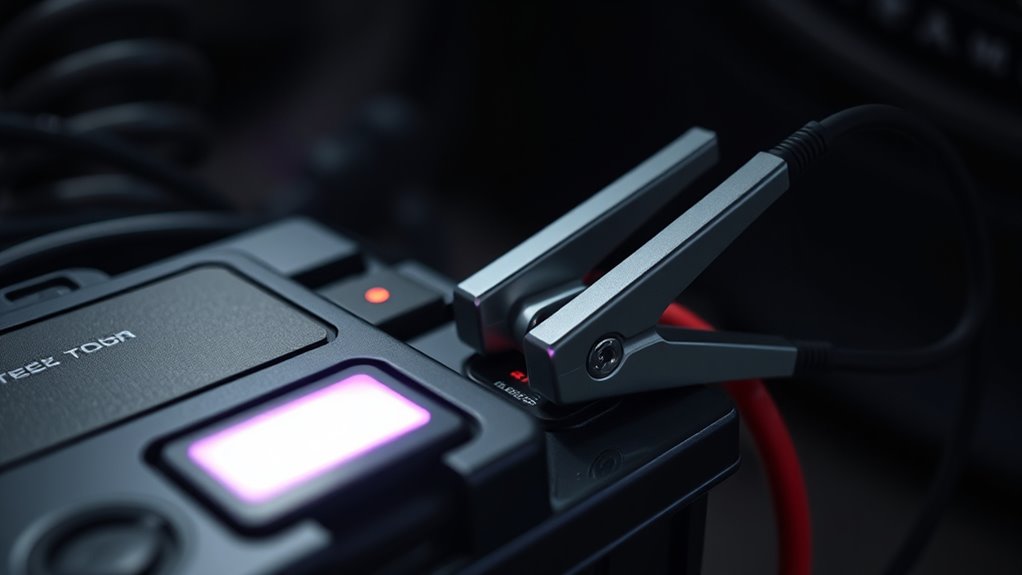
How to Use a Trickle Battery Charger Like a Pro?
Are you tired of struggling with dead batteries or unsure if you’re charging them correctly? You’re not alone—many people find the process confusing or worry about damaging their batteries. Learning how to use a trickle battery charger like a pro can make all the difference.
To use a trickle battery charger like a pro, first pick the right charger for your battery type and guarantee connections are secure. Set it up in a well-ventilated area and monitor charging time to avoid overcharging.
Always check the battery’s voltage; charge it regularly if it drops below 12.4 volts.
For safety, wear gloves and goggles, and don’t leave the charger unattended. There’s more to mastering this technique, so keep exploring!
Key Takeaways
- Choose a charger that matches your battery’s type and voltage to make sure it charges safely and effectively.
- Set up the charger in a well-ventilated area and inspect it for any damage before you start.
- Keep an eye on the charging time so you don’t overcharge. Unplug the charger once the battery is fully charged.
- Check your battery’s voltage regularly. If it drops below 12.4 volts, especially if you don’t drive often, it’s time to recharge.
- Always wear safety gear, stay with the charger while it’s in use, and know the emergency procedures just in case.
What Is a Trickle Battery Charger and How Does It Work?
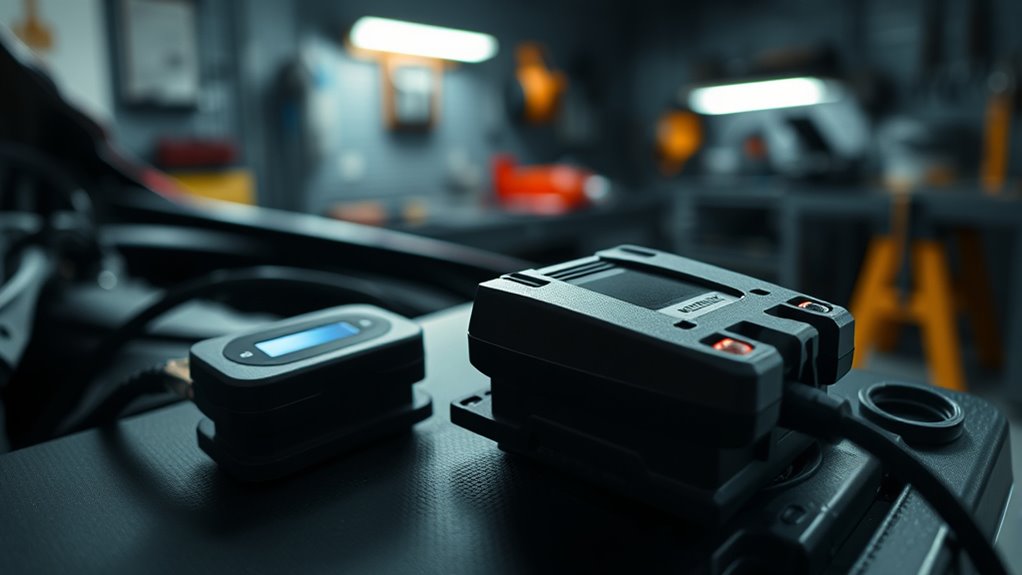
A trickle battery charger is a smart way to keep your vehicle’s battery charged without overdoing it. It delivers a low, steady current that prevents overcharging and keeps the battery healthy.
This type of charger is especially handy for cars that aren’t used often. It gently maintains the battery, stopping it from draining when the car sits idle.
Ideal for infrequent drivers, this charger keeps batteries healthy by preventing drain during long periods of inactivity.
When you connect a trickle charger, it keeps an eye on your battery’s voltage and adjusts the power output as needed. This helps extend the life of your battery by avoiding issues like sulfation.
Regularly using a trickle charger makes maintaining your battery easy. You won’t have to worry about getting stranded with a dead battery right when you need your car.
Using one also saves you money and time on battery replacements. Keeping your battery in good shape means reliable starts whenever you’re ready to hit the road.
Benefits of Using a Trickle Charger for Battery Maintenance
Using a trickle charger not only keeps your battery topped off but also offers several key benefits that boost overall battery health. By maintaining a consistent charge, you can extend the life of your battery and keep it performing at its best.
This method is also cost-effective. It helps prevent premature battery replacements, saving you money over time. Plus, it’s easy to use and requires minimal effort, making it a convenient choice for regular maintenance.
Another advantage is that it reduces the risk of sulfation, which can damage your battery if left unchecked. Overall, a trickle charger helps ensure your battery provides reliable power whenever you need it.
With these benefits, using a trickle charger becomes an essential part of your battery care routine. It keeps your investment safe, functional, and ready to go whenever you need it.
How to Choose the Best Trickle Charger for Your Battery Type
When you’re picking out a trickle charger, it’s really important to consider what kind of battery you have. Different batteries have different needs, so you want to make sure the charger you choose matches those specifics.
Check for the right voltage and amperage that your battery requires. Doing this helps ensure that you’re charging safely and efficiently. It also helps prevent any damage to the battery and can even help extend its overall lifespan.
Battery Type Compatibility
Choosing the right trickle charger for your battery type is essential to guarantee peak performance and longevity. If you’re using lead acid, lithium, or AGM batteries, each requires specific charger features. Check voltage ratings to confirm compatibility; using the wrong voltage can damage your battery.
For lead acid batteries, look for a charger that maximizes charging cycles to extend battery lifespan. Lithium batteries often need specialized chargers for the best charging efficiency. Also, consider connection types—some chargers offer alligator clips, while others use ring terminals.
Follow maintenance tips to keep your batteries in top shape. By selecting a charger tailored to your battery type, you’ll improve overall performance and ensure your investment lasts longer.
Charger Specifications to Consider
Selecting the right trickle charger involves considering several key specifications that directly impact your battery’s performance. First, look at the charger types available; some are designed specifically for lead-acid batteries, while others work best with lithium-ion varieties.
Next, pay attention to the output voltage. Most batteries require a specific voltage to charge efficiently, so verify your charger matches that requirement.
Furthermore, consider the amperage rating; a lower amperage is ideal for trickle charging, as it prevents overcharging.
Finally, check for features like automatic shut-off and temperature compensation, which improve safety and performance.
Step-by-Step Guide to Setting Up Your Trickle Charger
Before you get started, it’s really important to take some safety precautions first. You want to make sure you’re protecting yourself and your equipment, right? Once you’ve done that, I’ll guide you through the steps to connect your trickle charger. Let’s make sure your battery gets charged safely and smoothly!
Safety Precautions First
While setting up your trickle battery charger, it’s really important to prioritize safety to avoid accidents and damage.
Make sure to read the manufacturer’s instructions for battery safety before you begin.
Choose a dry, well-ventilated area for the charger to prevent any issues.
Always inspect the charger and cables for damage before using them.
When you’re done, disconnect the charger to prevent overcharging.
Regularly check both the battery and charger to keep everything in good shape.
Connection Steps Explained
Setting up your trickle battery charger is simple when you follow these key connection steps. First, pick the right charger type for your battery—whether it’s lead-acid or lithium-ion.
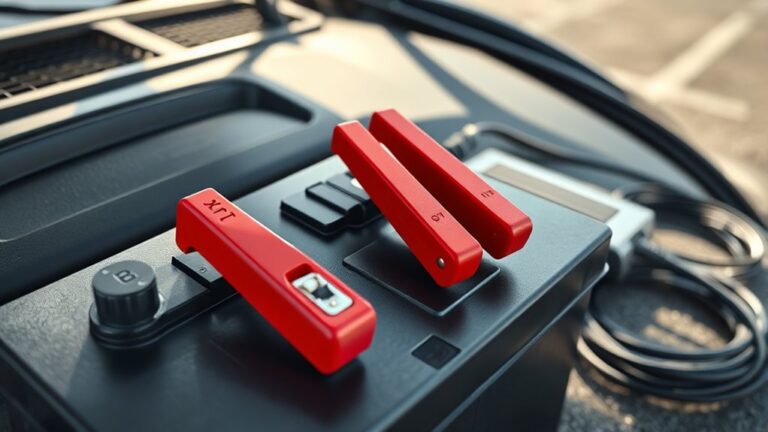
Make sure your charger is unplugged before you start. Connect the positive (red) clamp to the positive terminal of the battery. Then, attach the negative (black) clamp to a good ground point on the vehicle or the negative terminal.
This method helps prevent sparking. Once everything’s secure, plug in the charger and turn it on. Keep an eye on the indicators if your charger has them.
When charging is finished, unplug the charger before removing the clamps. Start by disconnecting the negative clamp first. Following these steps keeps the process safe and effective.
How to Connect a Trickle Battery Charger Safely
To connect a trickle battery charger safely, start by making sure your charger is compatible with your battery type. It’s a good idea to prepare your workspace and tools before you begin.
Always read the charger’s manual for specific instructions. Make sure the vehicle or equipment is turned off and the keys are removed.
Next, connect the positive (red) clamp to the positive terminal on the battery. Then attach the negative (black) clamp to a grounded metal surface or the negative terminal.
Before plugging in the charger, double-check all your connections to ensure they are secure and correct.
Charging Indicators Explained
Understanding charging indicators is key to using a trickle battery charger effectively. These lights give you real-time updates on your battery’s status.
Typically, you’ll see colors like red, yellow, and green, each meaning something different. A red light usually means the battery is charging, while yellow might mean it’s in trickle or maintenance mode.
Green indicates that the battery is fully charged and ready to go. Keep an eye on these lights to avoid overcharging, which can harm your battery.
If you notice any unusual blinking or colors, check your charger’s manual for what they mean. Watching these indicators helps keep your battery healthy and charged efficiently.
Common Mistakes to Avoid With Your Trickle Charger
When you’re using a trickle charger, it’s pretty easy to slip up on a few things that might actually harm your battery. For example, overcharging is a common mistake—leaving the charger on for too long can damage the battery over time. Also, not paying attention to the temperature can cause issues; charging in extreme heat or cold isn’t ideal and can affect the battery’s health. And don’t forget, using the wrong charger for your specific battery can lead to bigger problems. So, it’s a good idea to be aware of these common pitfalls to keep your battery safe and working well.
Overcharging The Battery
Overcharging your battery can cause a lot of problems, so it’s really important to avoid this common mistake with your trickle charger. Overcharging can shorten your battery’s lifespan and even cause damage.
To keep your battery in good shape, try these tips:
- Monitor charging time: Don’t leave it plugged in longer than necessary.
- Use a smart charger: These chargers automatically stop when the battery is full.
- Check battery condition: Look for swelling or leaks, which can be signs of overcharging.
- Disconnect regularly: Unplug the charger when you’re not using it.
- Educate yourself: Understand your battery type and what it specifically needs.
Ignoring Temperature Conditions
Extreme temperatures really mess with battery chemistry, which can reduce both its efficiency and its lifespan. Cold weather makes the battery lose charge faster, while too much heat can cause overcharging—even with a trickle charger.
That’s why it’s important to adjust your charging habits based on the season and climate. In winter, consider using a charger with built-in temperature compensation. During summer, keep a close eye on the charger because heat can speed up battery degradation.
Using Incompatible Chargers
Using a charger that’s not compatible with your battery can cause serious problems, so it’s really important to match them correctly. Using the wrong voltage can damage your battery and shorten your charger’s lifespan. Here are some common mistakes to watch out for:
Assuming all chargers are alike. Different batteries need specific voltages, so don’t assume one size fits all.
Ignoring manufacturer specifications. Always check your battery’s requirements before plugging in.
Using an old charger. Older chargers might not deliver the right voltage or current.
Overlooking connection quality. Poor connections can cause voltage drops and charging issues.
Neglecting regular checks. Keep an eye on your charger’s performance to catch problems early.
How Often Should You Use a Trickle Battery Charger?
How often should you reach for a trickle battery charger? The answer really depends on your battery’s condition and how you use your vehicle.
If you rarely drive or only take short trips, it’s a good idea to charge your battery every few weeks. This helps keep it topped off and ready to go when you need it.
If you drive infrequently, consider charging your battery every few weeks to keep it ready for use.
For regular use, check the battery’s voltage and overall health often. If it drops below 12.4 volts, it’s time to connect your trickle charger.
If you drive frequently and your battery is in good shape, you might only need to charge it every couple of months. Keeping up with this routine can extend your battery’s lifespan and ensure your vehicle runs smoothly.
Always adjust your charging schedule based on how your battery performs and your driving habits.
Stay Safe: Tips for Using Your Trickle Charger
Keeping your battery charged is important, but safety should always come first when using a trickle charger.
To guarantee a safe charging experience, follow these essential tips:
Always wear appropriate safety equipment, like gloves and goggles.
Inspect your charger and cables for any damage before use.
Keep the charger in a well-ventilated area to prevent overheating.
Never leave the charger unattended while it’s in use.
Familiarize yourself with emergency procedures in case of an accident.
Troubleshooting Your Trickle Battery Charger Issues
If your trickle battery charger isn’t working as expected, don’t worry; troubleshooting common issues can often fix the problem quickly. First, check all the connections—make sure cables are securely attached and free from corrosion.
If your charger has indicator lights, take a look at them. They can give you clues about what’s going on. A blinking light might mean there’s an issue, so check your user manual for what each light means.
Next, think about voltage fluctuations that could affect charging. You can test the outlet with a multimeter to be sure. It’s also a good idea to clean terminals and inspect cables regularly as part of routine maintenance.
Frequently Asked Questions
Can I Use a Trickle Charger on Any Type of Battery?
You can’t use a trickle charger on just any battery; battery compatibility is key.
These chargers work best with lead-acid batteries, including flooded and AGM types. However, they might not be suitable for lithium or other advanced battery types.
Always check the specifications of your charger and the battery to make sure they match. Using the wrong charger can damage the battery or shorten its lifespan.
How Long Can I Leave a Trickle Charger Connected?
You know how a plant thrives with just the right amount of water? Likewise, you can leave a trickle charger connected for up to 24-48 hours to keep your battery in good shape.
This helps ensure efficient charging without overdoing it. Just like watering too much can drown a plant, leaving a charger on too long can harm your battery.
Keep an eye on it and unplug when it’s fully charged for the best results!
What Happens if I Overcharge My Battery?
If you overcharge your battery, you risk damaging it significantly. The extra voltage can cause it to overheat, which can harm the internal components and decrease how well it charges.
This overheating can shorten your battery’s lifespan and even lead to leaks or swelling. To prevent these problems, keep an eye on your battery’s charge level and use a charger with built-in protection.
Are Trickle Chargers Safe for Long-Term Use?
Absolutely, trickle chargers are designed for long-term use, making them a gentle companion for your battery maintenance.
They offer a calm, steady flow of power that keeps your battery topped off without overwhelming it. This helps prevent damage from overcharging and keeps your battery in great shape.
Just remember to check on the setup now and then to make sure everything’s running smoothly. With a little attention, you can enjoy worry-free charging for the long haul!
Can I Use a Trickle Charger Indoors?
Yes, you can use a trickle charger indoors, but you need to make sure it’s safe to do so first.
Ensure the area is well-ventilated to prevent heat buildup and reduce risks. Keep the charger away from anything flammable to stay on the safe side.
For better charging efficiency, pick a charger with automatic shut-off features. This helps prevent overcharging and protects your battery.
If you follow these simple precautions, you can maintain your battery indoors safely and effectively without any problems.
Conclusion
Using a trickle battery charger can extend your battery’s lifespan greatly. In fact, studies show that proper maintenance can increase battery life by up to 50%.
By following the steps outlined in this guide, you’ll not only keep your batteries charged but also save money in the long run.
Remember, regular use and proper connection are key. So, gear up and charge like a pro—your batteries will thank you!