What Is Gear Oil and Why Is It Essential?
Are you tired of dealing with noisy, sluggish gear systems that just won’t perform as smoothly as they should? You’re not alone—many people struggle with maintaining optimal gear performance. The secret often lies in the quality of gear oil you’re using.
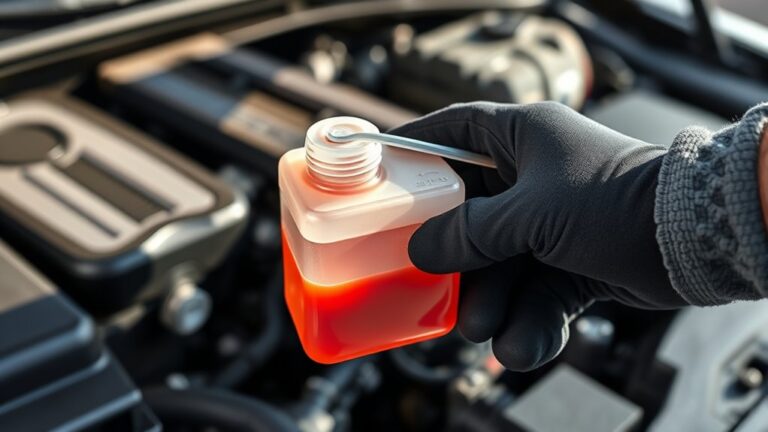
Gear oil’s a specialized lubricant that keeps your gear systems running smoothly by reducing friction and wear. It’s designed to handle high pressure and heat, preventing damage to metal parts, and prolonging their life.
Unlike engine oil, gear oil is thicker and crafted for demanding conditions.
Regular maintenance of gear oil is essential for peak performance and longevity of your vehicle.
Want to learn about common signs that your gear oil needs changing?
Key Takeaways
- Gear oil is a special lubricant that helps reduce friction and wear in gear systems. It’s really important for keeping machinery running smoothly and lasting longer.
- Unlike engine oil, gear oil is thicker and made for high-pressure environments found in gearboxes and differentials.
- It’s essential for transmission systems because it controls heat build-up and prevents parts from wearing out, which boosts performance and efficiency.
- Regular maintenance is key—checking the fluid and changing it on time helps keep everything well-lubricated and prevents costly repairs.
- If you notice dark oil, strange noises, or leaks, it’s a sign you need a gear oil change to avoid serious mechanical problems.
What Is Gear Oil and How Does It Work?
Gear oil is a special lubricant made to cut down friction and wear in gear systems. You’ll find it in all kinds of machinery, from cars to big industrial machines. Its unique formula lets it handle high pressure and heat, helping everything run smoothly.
One big advantage of gear oil is that it helps prevent metal parts from grinding against each other. This keeps gears and bearings working longer. It also fights rust and corrosion, keeping your gear system in good shape. Plus, its thick consistency helps it stay on surfaces, providing steady lubrication even under tough conditions.
Choosing the right gear oil can boost your machine’s performance and efficiency. Using it regularly can also save you from costly repairs and downtime. Proper lubrication is key to making your gear systems last longer and work better.
Key Differences Between Gear Oil and Engine Oil
While both gear oil and engine oil serve important lubrication roles, they have different formulas and purposes that set them apart. Gear oil is made for the high-pressure environments in gearboxes and differentials, offering better protection against wear.
It often has additives that boost its viscosity and stability under tough conditions. Engine oil mainly lubricates and cools engine parts, helping prevent sludge and ensuring smooth operation by reducing friction.
It’s usually lighter than gear oil and designed to handle a wider range of temperatures.
The Role of Gear Oil in Your Transmission System
Gear oil is super important for your transmission system because it keeps everything running smoothly by providing excellent lubrication. When your gears are working hard, the oil helps reduce friction, so your system doesn’t get worn out too quickly.
Plus, gear oil helps manage the heat that builds up during intense driving or heavy loads. It keeps your components cool, preventing overheating and potential damage. And of course, using the right gear oil offers protection against wear and tear, helping your transmission last longer and perform better over time.
Lubrication For Smooth Operation
In relation to ensuring your transmission system runs smoothly, the role of gear oil can’t be overstated. It provides essential lubrication that helps reduce friction and wear between moving parts.
By utilizing effective lubrication techniques, you’ll notice several gear oil benefits:
- Improves performance by ensuring all components operate smoothly
- Extends the lifespan of your transmission by minimizing wear and tear
- Enhances efficiency by reducing energy loss
- Prevents contamination and buildup of harmful debris
Choosing the right gear oil is vital for maintaining peak function in your transmission system. Regular checks and changes will keep everything lubricated properly, allowing you to enjoy a seamless driving experience without unexpected issues.
Heat Reduction And Management
To keep your transmission running smoothly, managing heat is key. Gear oil is essential in reducing heat and ensuring your system handles high temperatures well.
Good heat dissipation methods help keep things cool, preventing overheating and possible damage to your transmission.
| Heat Management Method | Description |
|---|---|
| Circulation | Ensures even heat distribution throughout the system. |
| Viscosity Control | Thicker oils help reduce slippage and retain heat more effectively. |
| Additives | Special compounds boost thermal stability for better heat management. |
Wear Protection And Longevity
While maintaining your transmission, understanding wear protection is key to its longevity. Gear oil helps improve wear resistance, reduce friction between moving parts, and keep everything running smoothly. Choosing and using the right gear oil can really extend your transmission’s life.
Here are some simple maintenance tips to keep in mind:
- Check fluid levels regularly to make sure everything stays well-lubricated.
- Change gear oil as recommended by your vehicle’s manufacturer.
- Use high-quality gear oil suited for your specific transmission.
- Keep an eye out for unusual noises or performance issues and address them quickly.
Impact of Gear Oil on Vehicle Performance
The right gear oil is really important for your vehicle’s performance because it helps keep everything well-lubricated and running smoothly. When the gears are properly coated, there’s less friction, which means less wear and tear over time. Plus, good gear oil helps regulate the temperature inside the transmission, so it doesn’t get too hot and cause damage.
Choosing the correct gear oil isn’t just about keeping things moving; it’s also about making sure your transmission lasts longer and works reliably. When you use the right type of oil, you’re setting your vehicle up for better stability and a smoother ride overall.
Lubrication And Friction Reduction
In regards to vehicle performance, choosing the right gear oil is essential for effective lubrication and friction reduction. Proper friction management guarantees that your vehicle runs smoothly and improves its overall efficiency.
Different lubrication types can greatly impact how well your gears perform, so it’s important to understand their benefits. Minimized wear and tear reduces the risk of damage to gear components.
It also improves power transfer, boosting the efficiency of energy transfer within the system. Additionally, using the right gear oil can extend the lifespan of your gear system.
Finally, proper lubrication ensures smoother operation, leading to a quieter and more comfortable ride.
Temperature Regulation And Stability
Effective temperature regulation is key to your vehicle’s performance because gear oil helps keep operating conditions just right. Managing temperature swings ensures your vehicle runs smoothly and efficiently.
When the oil reaches its ideal viscosity, it stabilizes the gear system, reducing wear and tear over time. This stability is especially important in extreme driving conditions where high heat can cause failure.
Good quality gear oil can handle these tough situations, offering the protection your vehicle needs and boosting performance. Regularly checking and changing your gear oil helps keep things stable and running smoothly.
Signs Your Gear Oil Needs Changing?
How can you tell if your gear oil needs changing? Keeping an eye on gear oil indicators can save you from bigger issues down the line. Here are some maintenance reminders to watch for:
Dark or Gritty Oil
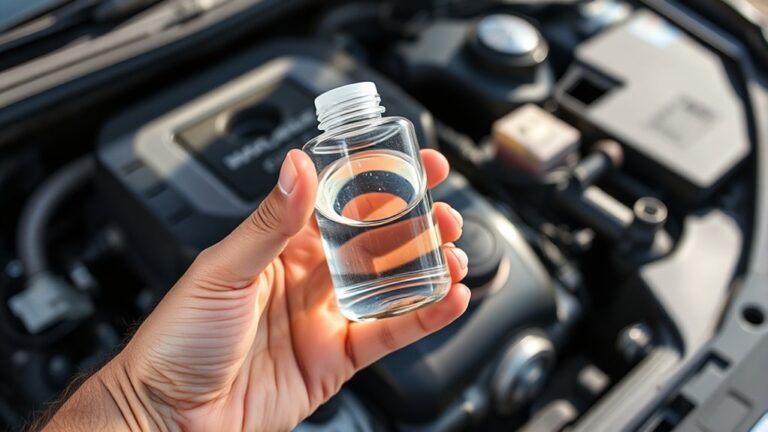
If your gear oil looks dirty or has debris, it’s time to change it. Fresh oil keeps everything running smoothly.
Unusual Noises
Grinding or whining noises from your transmission can signal old or insufficient gear oil. Don’t ignore these sounds.
Overheating
If your equipment runs hotter than normal, old oil may not be doing its job. Check it out to prevent damage.
Fluid Leaks
Any puddles or spots under your vehicle could mean it’s losing gear oil. Keep an eye on leaks to stay ahead of problems.
How to Pick the Best Gear Oil for Your Ride
Picking the right gear oil for your ride is super important if you want your vehicle to run smoothly and last longer. The first thing to consider is viscosity ratings – basically, how thick or thin the oil is at different temperatures. Matching the right viscosity to your vehicle’s specifications will keep everything running nicely.
Next up, you’ll want to think about whether to go with synthetic or conventional gear oil. Synthetic oils tend to perform better in extreme conditions and last longer, but they can be a bit pricier. Conventional oils are usually cheaper and fine for everyday driving, but they might need to be changed more often.
Viscosity Ratings Explained
When you’re navigating the world of gear oil, understanding viscosity ratings can really help you keep things running smoothly. These ratings show how well the oil flows at different temperatures, which is key for good performance. The importance of viscosity lies in how it impacts lubrication, wear protection, and temperature stability.
Here are some tips to help you pick the right gear oil:
- Check what the manufacturer recommends.
- Think about the climate you’re driving in.
- Look for specific viscosity ratings like 75W-90.
- Pay attention to the additives in the gear oil.
Synthetic vs. Conventional
While both synthetic and conventional gear oils have their merits, knowing which one suits your ride best can make a big difference in performance. Synthetic oils offer better thermal stability and resist oxidation, helping your gears stay cooler and last longer.
They also flow more easily at low temperatures, making cold starts smoother. On the other hand, conventional oils can break down faster under high stress and heat.
If you’re driving a high-performance vehicle or working in extreme conditions, synthetic gear oil might be the better choice. But for everyday driving and less demanding use, conventional oils can be a more cost-effective option.
Assess your needs and choose wisely!
How to Check and Maintain Gear Oil Levels?
Checking and maintaining gear oil levels is key to keeping your machinery running smoothly and lasting longer. Regular checks can help you avoid costly repairs and keep everything operating at its best.
Start by locating the fill plug on your machine. It’s usually near the gear assembly and easy to spot.
Next, use a dipstick or sight glass if your equipment has one. These tools make it simple to see if the oil level is where it should be.
While checking, look for signs of contamination. Metal shavings or discoloration in the oil could point to issues that need attention.
If the oil level is low, add the correct type of gear oil to bring it back up. Keeping your gear oil topped off ensures smooth operation and longevity.
Debunking Myths About Gear Oil
Maintaining the right gear oil levels is just one part of keeping your machinery running smoothly.
But there are many myths about gear oil that can lead you to make poor maintenance choices.
Let’s clear up some of these misconceptions so you can make better decisions.
| Myth | Truth |
|---|---|
| Gear oil never needs changing | It should be changed regularly to keep it performing well. |
| All gear oils are the same | Different machines need specific types of gear oil. |
| Higher viscosity is always better | The right viscosity depends on what your machinery needs. |
| Synthetic oils aren’t worth it | They often offer better protection and performance. |
| More oil means better lubrication | Overfilling can cause damage and leaks. |
Consequences of Neglecting Gear Oil
Neglecting gear oil can lead to serious problems that hurt your machinery’s performance. When you skip regular maintenance, the gear oil can break down, which messes up lubrication and causes big issues.
You might face increased friction because parts can grind against each other without proper oil. This leads to more wear and tear over time.
Overheating is another risk since insufficient oil can’t cool the parts properly, risking component failure.
Poor lubrication also makes your machine less efficient, making it work harder and costing more in energy.
If you ignore gear oil, it can shorten your equipment’s lifespan, leading to costly repairs or replacements down the line.
Tips for Extending the Life of Your Gear Oil
To make your gear oil last longer, start by checking its condition regularly. Look for any discoloration or odd smells, as these can mean contamination or that it’s breaking down. Make inspecting your gear oil part of your regular service routine.
Next, don’t skip on the recommended change intervals. Following the manufacturer’s guidelines helps keep your gears in good shape. If you often drive in tough conditions, think about shortening those intervals to keep everything running smoothly.
Finally, keep your gear housing clean and free from dirt and debris. Contaminants can speed up oil degradation, so regular cleaning helps maintain its quality. These simple steps will help your gear oil last longer and keep your machinery working better.
Frequently Asked Questions
Can I Use Gear Oil in Different Types of Machinery?
Yes, you can use gear oil in different types of machinery, but it’s important to check if your equipment is compatible first.
Each machine has its own specific requirements, so always look at the manufacturer’s guidelines before applying gear oil.
Gear oil is designed for various gear applications, but not all machines will benefit from it.
Using the correct oil helps keep your machinery running smoothly and extends its lifespan.
To avoid potential damage or inefficiencies, make sure to confirm compatibility before using gear oil.
How Often Should Gear Oil Be Changed in Heavy-Duty Vehicles?
You should change gear oil in heavy-duty vehicles every 30,000 to 50,000 miles, depending on the manufacturer’s recommendations and your driving conditions.
Regularly checking the gear oil’s condition is important for effective maintenance. If you often haul heavy loads or drive in extreme conditions, consider changing the oil more frequently.
Staying proactive with these maintenance tasks helps keep your vehicle running smoothly and can extend its lifespan.
What Is the Difference Between Synthetic and Conventional Gear Oil?
You might find it interesting that synthetic gear oil offers better lubrication benefits compared to conventional options, especially in extreme temperatures.
While conventional gear oil relies on natural oils, synthetic blends improve gear oil properties, providing enhanced protection and efficiency.
This means you’ll experience better performance and longer intervals between oil changes with synthetic oils.
Ultimately, choosing the right type can greatly impact your vehicle’s longevity and how well it runs, making it an important decision.
Are There Specific Brands of Gear Oil Recommended for Performance Vehicles?
Yes, there are several gear oil brands recommended for performance vehicles. You might consider options like Royal Purple, Mobil 1, and Amsoil, known for their high-quality formulations.
These brands offer synthetic gear oils that provide excellent protection and performance under extreme conditions. Always check your vehicle’s specifications to guarantee compatibility.
Using the right gear oil not only improves performance but also helps extend the lifespan of your vehicle’s drivetrain components.
Can Old Gear Oil Affect Fuel Efficiency?
Yes, old gear oil can definitely affect your fuel efficiency. As gear oil gets older, it loses some of its lubricating properties, which can cause more friction in your vehicle’s parts.
This extra friction makes your engine work harder, and that can lead to lower fuel economy. Regularly changing your gear oil helps keep everything running smoothly and at its best.
Conclusion
In the grand machinery of your vehicle, gear oil is the lifeblood that keeps everything running smoothly. Just like the oil in a well-tuned clock, it guarantees precision and harmony among the gears.
By staying vigilant and maintaining proper levels, you’re not just prolonging the life of your transmission; you’re safeguarding your journey.
So, treat gear oil like a trusted co-pilot—essential for every mile you take. Don’t let neglect stall your ride.
Keep the rhythm alive with proper gear oil maintenance—it’s key to a smooth and reliable drive.