Understanding Spur Gears – A Step-by-Step Guide
Are you often puzzled by how simple machines like gears work so smoothly? You’re not alone. Many people struggle with understanding the mechanics behind gear systems, especially spur gears.
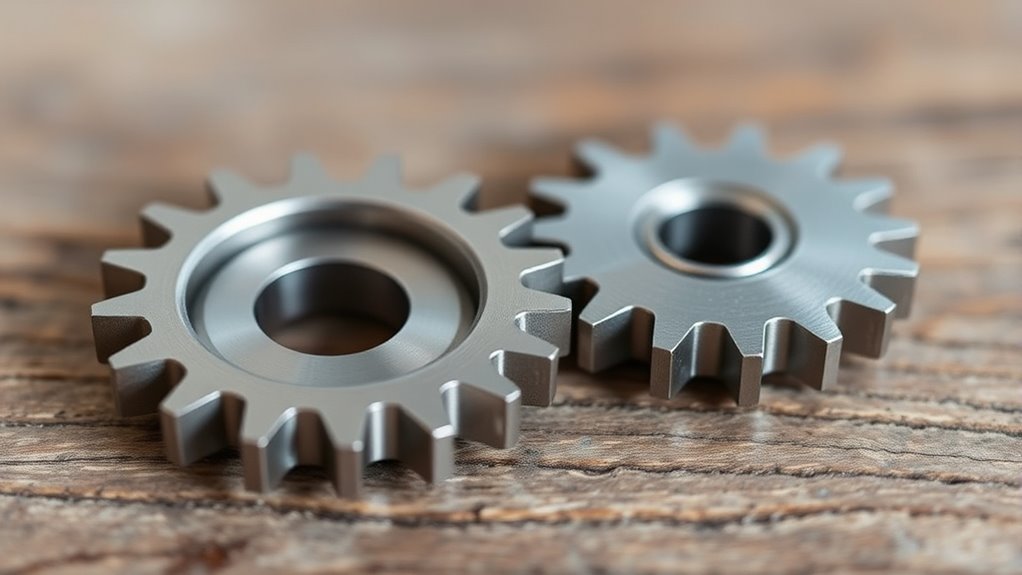
Spur gears are crucial for transforming rotational motion efficiently, thanks to their simple design and precise tooth engagement. You’ll find them in everything from cars to household appliances.
Key components include gear teeth design, material choice, and shaft alignment, which all impact performance.
Understanding gear ratios helps you select the right gear for speed and torque needs.
Want to investigate essential tips on making, maintaining, and troubleshooting spur gears? There’s much more to uncover!
Key Takeaways
- Spur gears transfer rotational motion smoothly through direct tooth contact, reducing energy loss and ensuring efficient operation.
- Key components include gear teeth design, material choice, tooth count, face width, and correct shaft alignment.
- Gear ratios influence how speed and torque relate; higher ratios boost torque, while lower ratios increase speed.
- You’ll find spur gears in many places, from cars and home appliances to robots and industrial machines, highlighting their versatility.
- Regular maintenance like inspections and lubrication is essential to prevent wear and keep spur gears running at their best.
How Do Spur Gears Work?
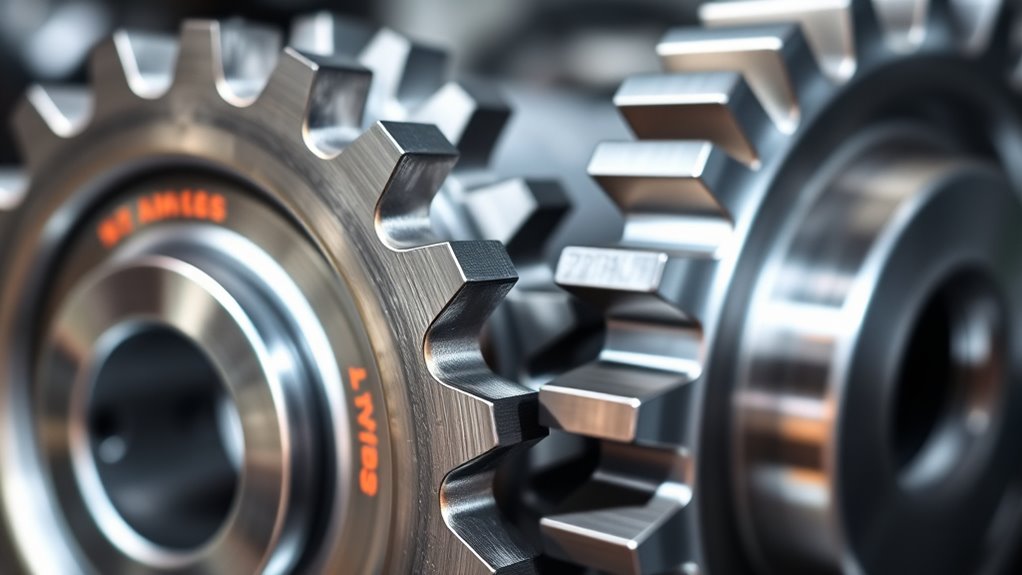
Spur gears transform rotational motion through their simple yet effective design. When you engage one gear with another, their teeth mesh perfectly, allowing for smooth transfer of motion and torque. This direct contact between the gears guarantees high gear efficiency, meaning less energy is wasted in the process.
As the driving gear rotates, it pushes against the teeth of the driven gear, causing it to turn. This interaction helps distribute the load evenly, which minimizes stress on any single tooth. By spreading the load across multiple teeth, you can improve the gears’ lifespan and reliability.
You’ll notice that spur gears are often used in a variety of applications, from simple machines to complex industrial equipment. Their straightforward operation makes them an ideal choice for achieving consistent performance. Understanding how they work can help you appreciate their role in countless mechanical systems.
Essential Components of Spur Gears
When it comes to spur gears, the design of the gear teeth is really important for how well they work and how efficient they are. If the teeth aren’t designed properly, it can cause issues like increased wear or noise, which nobody wants.
Another key point to keep in mind is proper shaft alignment. If the shafts aren’t aligned correctly, it can lead to uneven loading and faster wear on the gears. So, paying attention to these components is crucial if you want your spur gear system to run smoothly and last longer.
Getting a good grip on these essential parts will definitely help you understand how to make the most out of your spur gear setups.
Gear Teeth Design
- Tooth Profile Analysis: Understanding the shape of the teeth helps optimize contact between gears. This can improve efficiency and reduce wear.
- Material Selection: Pick materials that can handle the stresses during operation. Stronger materials mean longer-lasting gears.
- Tooth Count: The number of teeth affects the gear’s speed and torque. More teeth can mean smoother operation but different performance traits.
- Face Width: A wider face spreads the load better, which improves overall performance and durability.
Shaft Alignment Importance
Proper shaft alignment is essential to the performance and longevity of spur gears, as misalignment can lead to increased wear and operational inefficiencies. When you verify your shafts are aligned correctly, you reduce friction and prevent unexpected breakdowns, which can save you time and money.
Utilizing effective shaft alignment techniques like laser alignment can provide precision that manual methods often miss. You’ll want to invest in reliable alignment tools to achieve maximum results.
Regularly checking and adjusting your shaft alignment helps maintain smooth operation and extends the lifespan of your gear system. In turn, this proactive approach improves overall productivity and reliability in your machinery, making it a critical aspect of spur gear maintenance.
Understanding Gear Ratios in Spur Gears
Getting a handle on gear ratios is pretty important if you want your spur gears to work efficiently. It’s all about understanding how the gears interact and how that affects the overall performance. Once you know how to calculate these ratios, you can make sure everything runs smoothly without any hiccups.
Gear Ratio Basics
Gear ratios are essential in how spur gears work. They affect how power moves through a mechanical system and influence the relationship between input and output speeds and torques. Knowing these ratios helps you get the most out of your gear setup.
Here are some key points to keep in mind:
- Higher Gear Ratios increase torque but slow down the output speed.
- Lower Gear Ratios give you higher speeds but lessen torque.
- Choosing the right ratio ensures your system runs efficiently and lasts longer.
- Changing ratios allows you to tweak performance for specific needs.
Calculating Gear Ratios
Understanding these gear ratio calculations helps in various practical applications, such as improving torque, speed, and efficiency in machines. By selecting the right gear ratios, you can customize your gear system to meet specific operational needs.
This ensures your setup runs smoothly and effectively. Picking the right gear ratio can make a big difference in how well your machine performs and how long it lasts.
Advantages of Using Spur Gears
When you consider the benefits of using spur gears, you’ll find they offer a range of advantages that make them a popular choice in various applications. Their design and functionality contribute to several key benefits.
Cost efficiency: They’re generally less expensive to manufacture and maintain.
Noise reduction: Spur gears operate quietly, minimizing sound levels in your machinery.
Compact design: Their straightforward shape allows for space-saving configurations.
Friction control: They provide excellent friction control, enhancing performance and longevity.
These features also boost their load capacity and improve energy transfer between components. Whether you’re working on a small project or a large industrial setup, spur gears deliver reliability and efficiency that you can count on.
How to Choose the Right Spur Gear for Your Project?
Choosing the right spur gear for your project can really impact performance and efficiency, so it’s important to think about a few key factors. Start by figuring out what your gear needs to do based on your specific application.
Next, look at the gear ratio you require, as this will directly affect the speed and torque of your system. Then, assess the load capacity to make sure the gear can handle the maximum expected load without breaking.
Materials matter a lot too. Pick durable options that fit your operating environment to ensure longevity. Also, don’t forget to consider gear size and alignment, as these influence how well the gear performs and how quickly it wears out.
Whenever possible, run simulations or calculations to see how the gear will perform under different conditions. Balancing all these factors will help you choose the perfect spur gear for your project, making sure it runs smoothly and efficiently.
Everyday Applications of Spur Gears
Spur gears play a vital role in countless everyday applications, making them an integral part of many mechanical systems. You might not realize it, but these gears are everywhere, enhancing efficiency and reliability in various industries. Here are some common applications:
- Automotive systems: Spur gears help in power transmission within engines and transmissions.
- Home appliances: They’re used in washing machines and microwaves, ensuring smooth operation.
- Robotics integration: Spur gears provide precise movement in robotic arms and automated systems.
- Industrial applications: You’ll find them in conveyor systems, packaging machinery, and machine tools.
From aerospace engineering to renewable energy solutions, spur gears are essential for converting motion and power efficiently. Their straightforward design allows for easy maintenance and durability, making them a favorite in many sectors.
Understanding these applications can help you appreciate the importance of spur gears in your daily life.
Making Spur Gears
When you’re making spur gears, choosing the right materials is a big deal because it can really affect how well the gears perform and how long they last. You want to pick something sturdy enough to handle the stresses they’ll face in operation.
Plus, there are different manufacturing techniques and design details you should consider. These factors are important to make sure your gears turn out just right and meet the specific needs of your project. Let’s take a closer look at these key elements to help you create reliable and efficient spur gears.
Materials For Spur Gears
The right material can significantly impact the performance and durability of spur gears. When choosing materials, consider how they affect gear lifespan and overall efficiency.
Here are some common materials used for spur gears:
- Steel: Offers excellent strength and wear resistance, making it great for high-load applications.
- Aluminum: Lightweight and resistant to corrosion, ideal for low-load scenarios.
- Plastic: Cost-effective and quiet, perfect for low-speed applications.
- Bronze: Performs well in high-speed and heavy-load environments thanks to its excellent wear properties.
Picking the right material not only extends your gear’s lifespan but also boosts its performance. Remember, the material you choose plays a key role in the efficiency and durability of your spur gear system.
Manufacturing Techniques Overview
Choosing the right material for spur gears sets the foundation, but how those gears are manufactured plays a vital role in their performance. Various manufacturing processes are employed in gear fabrication, including hobbing, shaping, and broaching.
Hobbing is often the most common method, where a specialized cutting tool shapes the gear teeth with precision. Shaping, on the other hand, uses a reciprocating cutter and is ideal for smaller production runs.
Broaching is effective for high-volume production, creating complex profiles quickly. Each method has its advantages and can impact the gear’s durability and efficiency.
Design Considerations Explained
While choosing the right manufacturing method is important, understanding the design considerations for spur gears is just as vital. There are several key aspects to focus on to ensure the gear performs well and lasts a long time.
First, look at load distribution. Make sure the design promotes even load sharing across the gear teeth to reduce wear and tear.
Next, consider material selection. Pick materials that can handle the expected loads and environmental conditions to keep the gear durable.
Then, pay attention to tooth geometry. Designing the tooth profile properly can improve efficiency and help reduce noise during operation.
Finally, perform a thorough stress analysis. This helps identify potential failure points so you can refine the gear design for better performance and longevity.
Maintenance Tips for Spur Gears
Regular maintenance is key to keeping spur gears in great shape. By following a few simple steps, you can extend their lifespan and keep them running smoothly. First, make it a habit to inspect the gears regularly for any signs of wear or damage.
Use effective lubrication methods to reduce friction and heat buildup. This helps ensure quiet, efficient operation and prevents premature wear. Here’s a handy table to help you stay on top of your maintenance routine:
| Task | Frequency |
|---|---|
| Visual Inspection | Monthly |
| Lubrication Check | Every 3 months |
| Cleaning | Every 6 months |
| Gear Replacement | As needed |
Preventing wear with proper lubrication and alignment saves money and avoids breakdowns. Also, keep an eye on the environment where the gears are used—dust and debris can cause issues. Stay proactive, and your spur gears will thank you!
Troubleshooting Spur Gear Issues
Diagnosing spur gear issues quickly can save you time and money. To identify problems effectively, focus on these key areas:
- Gear Noise: Unusual sounds can indicate misalignment or not enough lubrication.
- Wear Patterns: Look for signs of wear, which can show problems with load distribution.
- Lubrication Techniques: Make sure you’re using the right lubricant and applying it correctly. Poor lubrication can cause excessive wear.
- Alignment Checks: Regularly verify that your gears are properly aligned to prevent unnecessary strain.
Use effective inspection methods and perform regular performance testing to catch issues early. If problems keep happening, consider a detailed failure analysis to find the root cause.
Addressing these factors will improve your gear’s lifespan and efficiency, ensuring smooth operation and reducing the risk of failure.
Innovative Trends in Spur Gear Design
As you explore the latest in spur gear design, you’ll see new materials and manufacturing methods shaping the field. Innovations like 3D printing and additive manufacturing enable custom gears that boost precision.
Lightweight materials help cut energy use and reduce gear noise, leading to smoother operation. Advanced lubrication techniques improve wear resistance and extend gear lifespan.
Modular design is gaining popularity, making it easier to replace parts without rebuilding entire systems. Here’s a quick rundown of these trends:
| Trend | Benefits | Impact |
|---|---|---|
| 3D Printing | Customization | Better-tailored performance |
| Lightweight Materials | Lower energy consumption | More efficient operation |
| Modular Design | Easier maintenance | Cost-effective upgrades |
Frequently Asked Questions
What Materials Are Commonly Used to Make Spur Gears?
You’ll commonly find spur gears made from materials like steel, aluminum, and plastic. Each material has its own unique properties that influence how well the gear performs.
Steel offers high strength and durability, making it great for heavy loads. Aluminum is lighter and resistant to corrosion, which is useful in certain environments.
Plastics like nylon provide good wear resistance and help keep the operation quieter. When choosing materials for gears, think about factors like load capacity, friction, and where they’ll be used to ensure they work well and last a long time.
How Do Temperature Changes Affect Spur Gear Performance?
Temperature changes can really impact how spur gears perform. When temperatures go up, thermal expansion might make gears fit tighter, which can increase friction and cause more wear.
On the other hand, colder temperatures can cause gears to contract, affecting the clearances between them. Lubrication is also affected; extreme temperatures can change the viscosity of lubricants, making them less effective.
Can Spur Gears Be Used in Reverse Applications?
Yes, spur gears can be used in reverse applications. When you operate them in reverse, make sure to check the gear alignment to prevent excessive wear or damage.
The teeth still mesh effectively, allowing for efficient power transmission, just like in forward operation. However, you should consider any load changes or stresses that might occur during reverse use.
Proper maintenance and alignment are key to keeping your spur gears working smoothly, no matter which direction they turn.
What Is the Lifespan of a Typical Spur Gear?
The lifespan of a typical spur gear is kind of like a well-tuned engine, running smoothly for years.
With proper maintenance and the right load capacity, they can last anywhere from 10,000 to 100,000 hours, depending on use.
Regular inspections and timely lubrication help keep them in top shape.
That way, you get the most out of your gears and avoid unexpected breakdowns.
How Do You Measure Spur Gear Accuracy?
To measure spur gear accuracy, start by checking the gear tooth profiles for any irregularities.
Next, measure the pitch diameter using calipers or a gear tooth caliper, making sure it matches the specifications.
It’s also important to verify the tooth spacing and alignment since these factors affect performance.
Regular checks will help keep your gears functioning smoothly, so don’t overlook these key measurements!
Conclusion
In the world of machinery, spur gears are the unsung heroes, quietly turning the wheels of innovation. Just like the sturdy roots of a tree, they provide stability and strength in your projects.
By choosing the right spur gear, you guarantee your creations thrive, just as a tree flourishes with solid foundations.
So, as you start your engineering journey, remember these small components can make a big impact. They drive your success forward with every turn of the spur gear.