What Is a Trickle Battery Charger and How Does It Work?
Are you tired of dealing with dead batteries just when you need your vehicle the most? Many people struggle with keeping their batteries charged, especially during long periods of inactivity. Luckily, a trickle battery charger can be a game-changer.
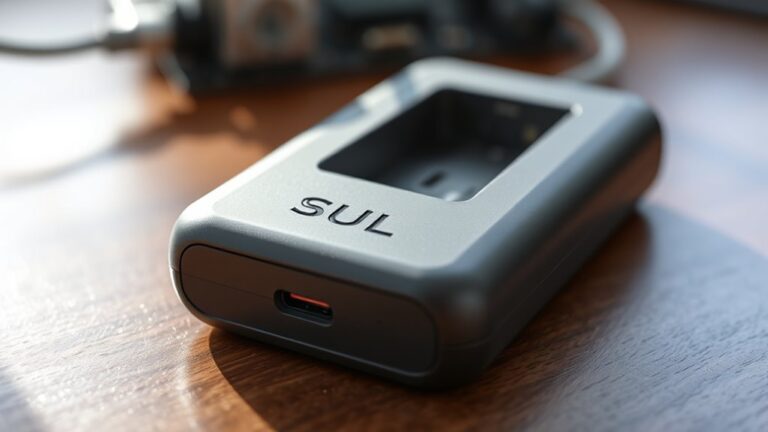
A trickle battery charger keeps your vehicle’s battery topped up during times when it’s not in use. It slowly replenishes the charge, preventing depletion and extending battery life. You’ll find it ideal for cars, motorcycles, and lawn mowers, especially if they sit idle for long.
By maintaining ideal charge levels, it reduces the risk of sulfation and guarantees your vehicle’s ready when you are.
Uncover tips on choosing and using a trickle charger for the best results.
Key Takeaways
- A trickle battery charger keeps your battery topped up during storage or when you don’t use your vehicle often, so it doesn’t run out of power.
- It gently supplies a low charge, helping your battery last longer and lowering the chances of sulfation, which can damage the battery.
- These chargers work with various types like lead acid, AGM, gel, and deep cycle batteries, making them perfect for cars, motorcycles, and other vehicles.
- Using it regularly means your vehicle will be ready to go whenever you need it, helping you avoid the hassle of dead batteries.
- Just keep an eye on how long you’re charging and follow the manufacturer’s instructions to prevent overcharging and stay safe.
What Is a Trickle Battery Charger?
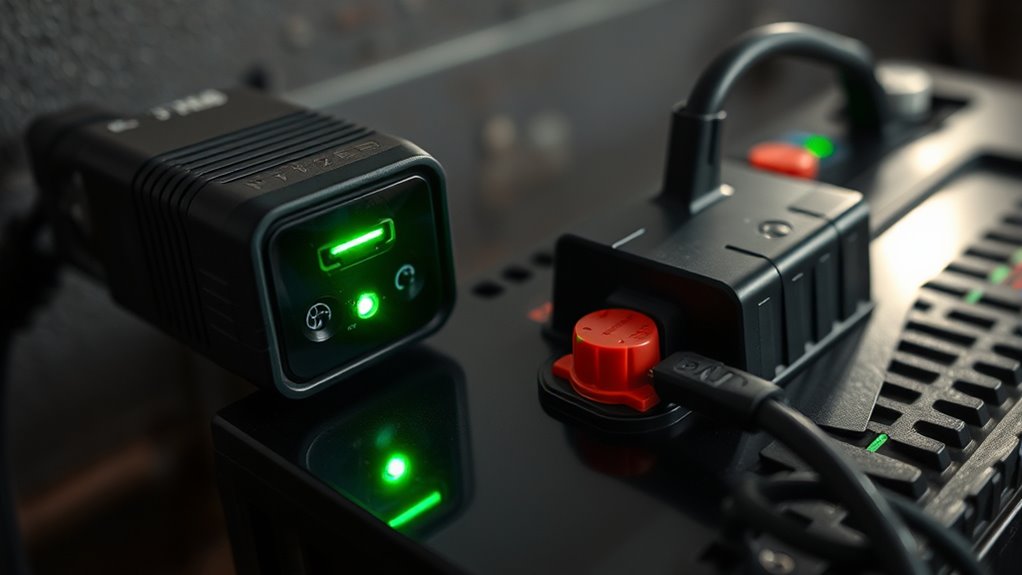
You’ll appreciate the charging efficiency of a trickle charger because it prevents the battery from depleting while in storage or during periods of infrequent use.
Instead of a rapid charge, it gently replenishes the battery, which helps extend its lifespan and keeps it more reliable.
Whether you’re maintaining a car, motorcycle, or even a lawn mower, using a trickle charger can save you time and money by avoiding dead batteries.
It’s a simple solution that pays off in the long run.
Key Benefits of Using a Trickle Charger
While many people overlook the importance of battery maintenance, using a trickle charger offers several key benefits that can improve your battery’s performance. First, it greatly extends your battery lifespan. By providing a low, steady charge, it prevents overcharging and reduces the risk of sulfation, which is a common issue that shortens battery life.
Second, trickle chargers are known for their charging efficiency. They keep your battery at an ideal level without wasting energy. This means you won’t have to worry about constantly recharging or replacing batteries, saving you both time and money in the long run.
Plus, trickle chargers are perfect for vehicles that sit idle for long periods. They keep your battery ready to go whenever you need it, making sure it performs consistently. Using a trickle charger not only protects your investment but also enhances your overall battery experience.
When Should You Use a Trickle Charger?
You might want to use a trickle charger when you’re storing a vehicle for a long time or if it’s just sitting idle during certain seasons. It’s a great way to keep the battery topped up without overcharging.
It’s also pretty handy if your battery’s feeling a bit low — a trickle charger can help revive it and keep it in good shape until you’re ready to hit the road again. Using one can save you the hassle of dealing with dead batteries and makes sure your vehicle is always ready to go when you are.
Long-Term Storage Needs
When your vehicle or equipment will be sitting idle for a long time, a trickle charger becomes essential for keeping the battery in good shape. It helps prevent the slow discharge that happens when something isn’t being used.
This is especially useful for seasonal vehicles, classic cars, or any gear you don’t use often. Connecting a trickle charger provides a gentle, steady charge that keeps the battery topped off without overcharging.
This simple step can save you the hassle of dealing with a dead battery when you finally need your vehicle. So, if you’re planning to store something for a while, using a trickle charger is a smart move to keep everything in top condition.
Seasonal Vehicle Maintenance
As the seasons change and your vehicle sits unused, knowing when to connect a trickle charger can make all the difference in maintaining battery health. Seasonal care is essential for vehicle upkeep, especially during long winters or scorching summers.
Here’s a simple guide to help you decide when to use your trickle charger:
| Season | Recommended Action | Reason |
|---|---|---|
| Winter | Connect charger regularly | Prevents battery drain |
| Spring | Check battery condition | Prepare for driving season |
| Summer | Use only if parked for weeks | Avoid overheating issues |
| Fall | Inspect battery terminals | Confirm readiness for winter |
| Anytime | Use if vehicle’s unused long | Maintain ideal charge levels |
Low Battery Recovery
A dead battery can throw off your plans, but a trickle charger can be a real lifesaver for low battery recovery. If your battery is having trouble holding a charge, it’s time to consider using one.
These chargers deliver a steady, low-level current, which helps your battery stay charged without overloading it. This is especially helpful for seasonal vehicles or if your car isn’t used regularly.
Regular battery maintenance is key, and using recovery techniques like trickle charging can help extend your battery’s lifespan. Use a trickle charger when you expect low usage or if your battery dips below ideal levels.
Best Practices for Using a Trickle Charger
When you’re using a trickle charger, it’s really important to keep an eye on how long you’re charging to make sure you don’t overdo it. Nobody wants to accidentally damage their battery by leaving it plugged in too long, right?
Doing regular maintenance checks is a good idea too. It helps you catch any potential problems early before they turn into bigger issues.
Follow these simple best practices, and you’ll be able to keep your battery healthy and working well for a longer time.
Optimal Charging Duration
Understanding the ideal charging duration for your trickle charger can really help extend your battery’s lifespan. Charging it for the right amount of time ensures it gets enough power without overloading.
To get the best charging efficiency, aim for a period of 24 to 48 hours. This window allows the battery to fully absorb the charge without risking damage.
Here’s a quick guide:
| Charging Duration | Battery State |
|---|---|
| 12 hours | Partially Charged |
| 24-48 hours | Fully Charged |
| Over 48 hours | Risk of Damage |
Sticking to these times will help keep your battery healthy and working well for longer.
Regular Maintenance Checks
Regularly clean the battery terminals to prevent corrosion, which can affect battery health. Create a maintenance schedule that includes checking the voltage output of the charger to guarantee it’s functioning correctly.
It’s also a good idea to monitor the battery’s fluid levels if it’s a lead-acid type. Finally, test the battery periodically to confirm it holds a charge effectively.
Types of Batteries Compatible With Trickle Chargers
While not all batteries are suitable for trickle charging, several types thrive under this method, making it essential to know which ones are compatible.
Lead acid batteries are among the most common choices because they handle low charging rates well.
Lead acid batteries are popular for their ability to manage low charging rates effectively.
If you’re using AGM batteries or gel batteries, you’ll find they also benefit from trickle charging, keeping them topped off without overcharging.
Deep cycle batteries, often used in solar setups, can be maintained effectively with this method, helping extend their lifespan.
Moreover, motorcycle batteries are well-suited for trickle chargers, especially during off-seasons when you want to preserve their charge.
However, lithium batteries usually need specialized chargers, so it’s best to avoid trickle charging them to prevent damage.
Knowing which batteries work best ensures peak performance and a longer lifespan for your investment.
Trickle Charger vs. Smart Charger: What’s the Difference?
How do trickle chargers and smart chargers differ, and which one should you choose for your battery maintenance needs? Trickle chargers give a steady, low current, making them perfect for maintaining battery levels over time. They’re simple and budget-friendly.
Their main advantage is that they’re easy to use and cost less. But they don’t have the advanced features of smart chargers, which automatically adjust the charging rate based on the battery’s condition. This makes smart chargers more efficient.
Here’s a quick comparison to help you decide:
| Feature | Trickle Charger | Smart Charger |
|---|---|---|
| Charging Method | Constant low current | Adaptive charging |
| Maintenance | Manual monitoring | Automatic monitoring |
| Cost | Usually cheaper | Usually more expensive |
| Battery Health | Limited insights | Provides detailed status |
Choosing the right charger depends on what you need. If you want something simple, go for a trickle charger. If you want better battery care, a smart charger is the way to go.
Common Trickle Charger Mistakes to Avoid
Although using a trickle charger can be a simple way to keep your battery in good shape, many people make common mistakes that can cause problems. One big mistake is leaving the charger connected for too long, which can overcharge your battery. Just because you’re using a trickle charger doesn’t mean it’s completely foolproof.
Another mistake is ignoring the manufacturer’s guidelines. Each battery type has its own requirements, and not following them can lead to issues. You might also fall for myths, like thinking trickle chargers work for all batteries without exception.
Finally, don’t forget about proper ventilation. Charging in a small, enclosed space can cause overheating, which shortens your battery’s lifespan. By avoiding these mistakes and paying attention to your charging habits, you’ll help your battery last longer and stay in good condition.
Choosing the Right Trickle Charger
Next, consider charger compatibility. Make sure the trickle charger you choose matches your battery type, whether it’s lead-acid, lithium, or gel. Using an incompatible charger can damage your battery or reduce its performance.
Don’t forget to check the charger’s amp rating; a lower amp rating is usually better for trickle charging. Lastly, read reviews and ask for recommendations to find a reliable brand. Making an informed choice will save you time and money and keep your battery charged and ready when you need it.
Maintenance Tips for Your Trickle Charger
To keep your trickle charger working smoothly, regular maintenance is key. Following some simple tips can help extend your battery’s life and improve charging efficiency.
Inspect the cables regularly for any signs of damage or wear. Damaged cables can cause your charger to work less effectively.
Cleaning the battery terminals every three months prevents corrosion, which can mess with the performance. Also, check for corrosion monthly to keep connections strong.
If your charger has firmware, make sure to update it once a year. This way, you get the latest improvements and fixes.
Safety Tips for Using Trickle Chargers
When you’re using a trickle charger, it’s really important to ensure there’s good ventilation around it. This helps prevent the charger from overheating, which can be a safety concern.
Also, keep an eye on how long you’re charging the battery. Overcharging can actually harm your battery, so it’s best to monitor the process and unplug it once it’s fully charged.
Proper Ventilation Required
While using a trickle battery charger can be convenient, ensuring proper ventilation is essential for safety. Without enough airflow, gases released during charging can build up, increasing the risk of explosion or fire.
Always place the charger in a well-ventilated area, away from walls and obstructions. Never use it in tight spaces like closets or sealed rooms.
Check that air can circulate freely around the charger to prevent gas buildup. If possible, operate the charger outside to minimize any gas accumulation.
Monitor Charging Time
Monitoring charging time is essential for safe and effective use of a trickle battery charger. Keeping an eye on how long your battery is charging helps improve efficiency and extends its lifespan.
Overcharging can cause overheating and damage, so knowing when to disconnect the charger is crucial. Most trickle chargers have indicator lights, but it’s a good idea to check the manufacturer’s guidelines for specific timing.
For lead-acid batteries, aim for 10-12 hours of charging. Lithium batteries usually need less time. Regular monitoring ensures you get the most out of your battery and prevents unnecessary wear.
A little attention goes a long way in maintaining your battery’s health and performance.
Frequently Asked Questions
Can Trickle Chargers Be Used Outdoors?
Yes, you can use trickle chargers outdoors, but make sure they have weather protection. Look for models specifically made for outdoor use, as they can handle rain and humidity.
It’s important to keep the charger away from direct exposure to the elements. This helps prevent damage to both the charger and your battery.
How Long Can I Leave a Trickle Charger Connected?
You can safely leave a trickle charger connected for an extended period, often up to several days or weeks, depending on the charger’s design.
For the best battery maintenance, make sure your charger has built-in safety features like automatic shut-off or float mode.
It’s a good idea to check the battery and charger connection regularly to prevent overheating or damage.
Always follow the manufacturer’s guidelines to get the best results and keep everything safe during charging.
Are Trickle Chargers Energy-Efficient?
Yes, trickle chargers are energy-efficient. They use very little energy while keeping your battery topped off without overcharging.
Their charging efficiency makes sure the battery gets just the right amount of power. This helps extend its lifespan and saves you money on replacements.
Do Trickle Chargers Work With All Vehicle Types?
Not all vehicles can use trickle chargers, but they’re great for most lead-acid batteries. Imagine your car sitting idle for weeks, slowly losing power. You’d want a reliable solution, right?
Trickle chargers excel in battery maintenance, keeping your battery topped off without overcharging. However, check your vehicle’s specifications. Some modern batteries like lithium-ion might not be compatible.
What Is the Lifespan of a Trickle Charger?
A trickle charger usually lasts between 3 to 5 years, depending on how you use and maintain it.
To make it last longer, always keep connections clean and avoid overcharging your battery.
If you notice any signs of wear or malfunction, replace it quickly to keep your battery in good shape.
Doing this helps you get the most out of your trickle charger and keeps your vehicle’s battery healthy.
Conclusion
To sum up, using a trickle battery charger is like nurturing a seedling; it takes patience and the right conditions to keep your battery healthy.
Just as a seed needs gentle, consistent care to grow into a strong plant, your battery benefits from the steady support of a trickle charger.
Keeping your battery charged with a trickle charger helps extend its life and prevents unexpected failures.
So, treat your battery well with a trickle charger, and it’ll reward you with reliable performance when you need it most.