How to Diagnose My Carburetor Leaking Gas
Dealing with a carburetor leaking gas can be frustrating, especially when your engine starts acting up or you notice a strong gasoline smell. Many people struggle with identifying the exact cause of the leak, but don’t worry—you’re not alone in this.
Diagnosing the issue is the first step toward fixing it and getting your engine running smoothly again.
To diagnose your carburetor leaking gas, start by checking for a strong gasoline smell or wet spots around the carburetor. Inspect gaskets, seals, and fuel lines for cracks or leaks.
Use a screwdriver and wrench set to examine the float chamber for overflow. If you notice performance issues like stalling or excessive fuel consumption, it’s time to investigate further.
Keep an eye out for these signs, and you’ll uncover more essential information that could help.
Key Takeaways
- Check for a strong smell of gasoline near the engine. This usually means there’s a leak somewhere.
- Look for wet spots or pooled gasoline around the carburetor after you’ve been using the vehicle. That’s a sign of a leak.
- Visually inspect for cracks or signs of wear in the gaskets, seals, and fuel lines. These parts often show damage if there’s a leak.
- Keep an eye on how your vehicle runs. Problems like stalling or using too much fuel might point to a carburetor leak.
- If the issue keeps happening or your engine performance gets worse, it’s a good idea to get a professional mechanic to take a look.
How to Diagnose a Carburetor Gas Leak
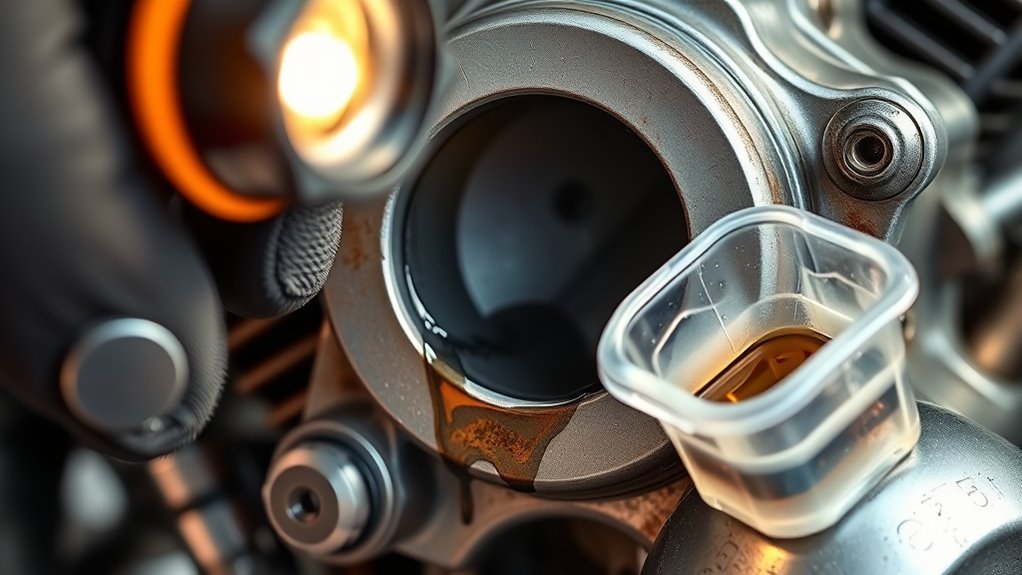
If you suspect your carburetor is leaking gas, act quickly to prevent damage. Start by inspecting the area around the carburetor for signs of gas pooling or dampness. Check the fuel lines and connections for cracks or loose fittings.
Listen for any hissing sounds, which can indicate a gas leak. Next, start the engine and watch how it runs. Rough idling or stalling could mean your carburetor needs attention.
Regular maintenance is key to keeping your fuel system running smoothly. If you find evidence of a leak or notice irregularities, it’s best to get a professional to diagnose and fix the problem promptly.
Taking these steps can save you from bigger repairs later on.
Signs Your Carburetor Might Be Leaking Gas
Detecting a gas leak early can save you from costly repairs, so it’s important to recognize the signs. One major indicator is the smell of gasoline near your engine. If you notice a strong odor, it’s time to investigate further.
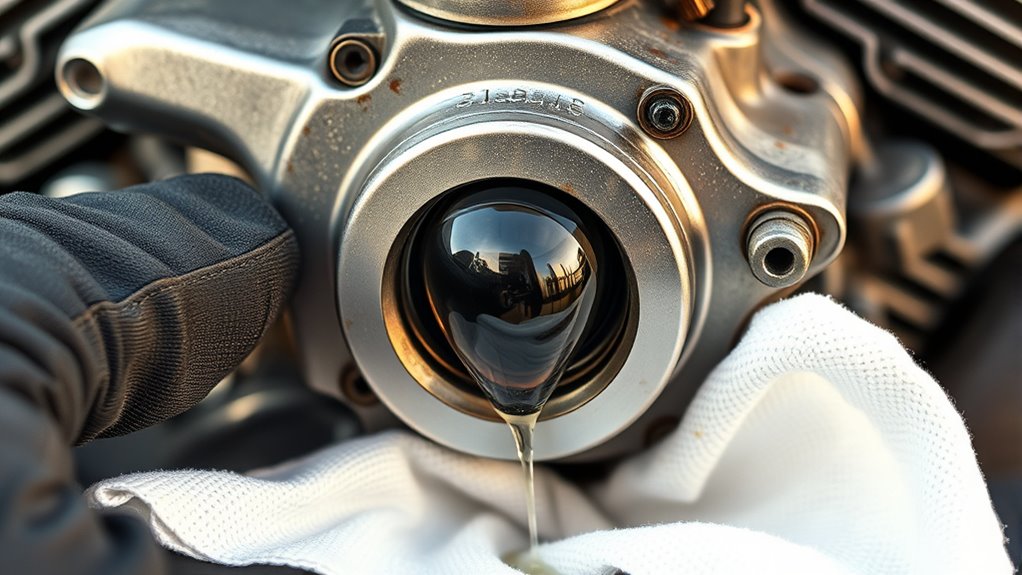
Another sign is wet spots or pooled gas around the carburetor. This can indicate a leak, especially if you see it after running your engine. Watch for performance issues too.
Wet spots or pooled gas around the carburetor may signal a leak, especially after engine use. Stay vigilant for performance issues.
If your vehicle hesitates, struggles to start, or stalls unexpectedly, a carburetor problem might be at play. Increased fuel consumption could also be a sign of a leak, leading to higher costs at the pump.
Regular carburetor maintenance can help you catch these issues before they get worse. By staying alert to these signs, you can prevent gas leaks and keep your engine running smoothly.
Don’t ignore any suspicious symptoms—they could be your warning to fix a leaking carburetor.
Tools You’ll Need for Carburetor Inspection
When inspecting a carburetor, having the right tools is essential for a thorough and efficient diagnosis. Here’s a list of carburetor tools and inspection equipment you’ll need.
| Tool/Equipment | Purpose |
|---|---|
| Screwdriver Set | To remove carburetor screws |
| Wrench Set | For loosening and tightening bolts |
| Fuel Line Disconnect Tool | To safely detach fuel lines |
| Inspection Mirror | To check hard-to-see areas |
With these tools, you can inspect your carburetor effectively. A screwdriver set helps access various components, while a wrench set makes tightening or loosening bolts easy. The fuel line disconnect tool prevents spills, and an inspection mirror helps see hidden areas. Having these tools will make your inspection smoother and help you find issues quickly.
How to Visually Inspect Your Carburetor
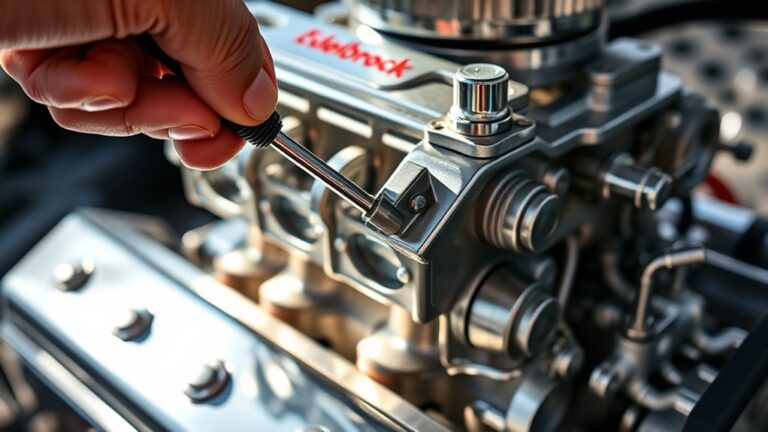
With the right tools in hand, you can begin inspecting your carburetor visually. Start by looking for any signs of fuel leaks around the gasket, seams, and fittings. Pay close attention to the float bowl; cracks or damage there can cause leaks.
Make sure all connections are tight and secure. Use a flashlight to see into those hard-to-reach spots more clearly. Next, check the fuel lines for cracks or wear, and replace them right away if you notice any issues.
Don’t forget to examine the throttle and choke mechanisms—they should move freely without any obstructions. Finally, clean the outside of the carburetor to spot any new leaks easily in the future.
A thorough visual check is key to keeping your carburetor performing at its best and avoiding bigger problems down the line.
Identifying Fuel Odors: What to Look For
How can you tell if there’s a fuel leak just by noticing odors? Start by taking a whiff around your carburetor. A strong smell of gasoline often signals a problem, likely linked to fuel line integrity or gasket failure. If you catch that distinct odor, it’s a red flag that something’s off.
Pay attention to where you smell it. If it’s more concentrated around the fuel lines or gaskets, those are the areas to inspect closely. Gasket failure can lead to fuel seepage, while compromised fuel lines might leak under pressure.
Don’t ignore any hissing sounds either, as they can indicate gas escaping. If you notice any unusual odors, it’s essential to address them. Ignoring these signals can lead to bigger issues down the road. Always prioritize safety and consider investigating further if you detect any fuel odors.
Step-by-Step Guide to Testing for Leaks
Sure! Here’s the modified version with a more conversational tone:
—
If you want to find out if your carburetor is leaking, start by giving it a good visual inspection. Just take a close look for any obvious signs of wear, cracks, or damage. Sometimes, a quick peek can reveal the problem area right away.
Once you’ve checked it out visually, the next step is to do some pressure testing. This might sound a bit technical, but it’s really just a way to get a more detailed idea of what’s going on. Pressure testing helps you pinpoint exactly where the leak is coming from, making it easier to decide what to do next.
Following these simple steps will give you a clear picture of whether your carburetor is leaking and help you figure out the best way to fix it.
Visual Inspection Techniques
Before diving into repairs, start your diagnosis with a thorough visual inspection of the carburetor. Check for any signs of leaks, like fuel stains or drips around the base and gaskets.
Pay close attention to the fuel lines and connections, making sure they’re tight and free of cracks. Regular carburetor maintenance helps prevent leaks and keeps your fuel system running smoothly.
Here’s a quick reference table to guide your inspection:
| Inspection Area | What to Look For | Action Needed |
|---|---|---|
| Gaskets | Cracks or wear | Replace if damaged |
| Fuel Lines | Cracks or loose fittings | Tighten or replace |
| Base of Carburetor | Fuel stains | Clean and inspect |
| Float Chamber | Fuel overflow | Adjust or repair |
Your careful observation can save you time and money!
Pressure Testing Methods
Once you’ve finished your visual check, the next step is pressure testing to find leaks in your carburetor. Start by disconnecting the fuel line to avoid any fuel spills.
Then, use a pressure gauge to measure the carburetor pressure. Ideally, the reading should stay steady. If it drops, that means you might have a leak somewhere.
To be sure, apply a soap solution to areas that look suspect. Watch for bubbles forming, which shows escaping air. After testing, reconnect the fuel line and ensure everything is sealed tight.
This method is a reliable way to check your fuel system’s integrity and spot any leaks in your carburetor.
Common Causes of Carburetor Leaks
Although carburetors are essential for engine performance, they can develop leaks due to several common issues. Knowing these can help you fix problems quickly.
First up, carburetor gaskets. Worn or damaged gaskets can create gaps, leading to leaks. Make sure to check and replace them regularly.
Float issues are another common cause. If the float gets stuck or damaged, it can cause overfilling in the bowl, which results in gas leaks.
Float malfunctions can lead to overfilling in the bowl, causing frustrating gas leaks. Regular checks are essential.
Needle valves can also cause trouble. If they’re malfunctioning, they might not seal properly, allowing fuel to escape. Inspect and replace them if needed.
Finally, corrosion effects can weaken bowl seals and fuel lines over time. Regular maintenance can help prevent leaks caused by corrosion.
Assessing Your Carburetor’s Performance and Condition
When you’re checking out your carburetor, the first thing you want to do is give it a good visual inspection. Take a close look at all the parts and see if anything looks out of place or dirty. It’s also a good idea to check the fuel flow to make sure it’s steady and smooth—any blockages or leaks can cause problems down the line.
While you’re at it, keep an ear out for any performance issues like rough idling, stalling, or poor acceleration. These little signs can point to underlying issues with the carburetor that might need fixing. By catching these early, you can prevent bigger problems from developing and keep your engine running smoothly.
Visual Inspection Techniques
A thorough visual inspection is key to diagnosing a leaking carburetor and checking its overall performance. Start by inspecting the carburetor components to ensure they’re in good shape.
Focus on these key areas:
Gaskets and Seals – look for cracks or wear that could lead to leaks.
Fuel Lines – check for signs of deterioration or loose connections.
Float Chamber – examine for fuel overflow or staining, which signals a problem.
Venturi Area – verify there aren’t any fuel puddles or excessive moisture around it.
Checking Fuel Flow
You can use the following table to keep track of your findings:
| Component | Condition | Action Needed |
|---|---|---|
| Fuel Line | Good or Poor | Replace or Clean |
| Carburetor Gaskets | Intact or Damaged | Replace or Repair |
| Fuel Flow | Steady or Intermittent | Check Adjustments |
| Overall Performance | Ideal or Suboptimal | Further Investigation |
Identifying Performance Symptoms
When diagnosing a leaking carburetor, spotting performance symptoms is really important. Pay attention to how your engine behaves, because these signs can help point you in the right direction. Here are four key symptoms to watch for:
- Erratic Idle Speed: If your engine’s idle speed keeps fluctuating, it might be a sign of a fuel mixture problem or a leak.
- Poor Acceleration: When your engine struggles to pick up speed or feels sluggish, it could mean the fuel mixture isn’t right.
- Black Smoke: Seeing black smoke coming from the exhaust usually means too much fuel is escaping, indicating an issue with the carburetor.
- Flooding: If your engine floods easily or stalls, that’s a strong sign there’s a problem with the carburetor.
How to Prevent Future Carburetor Gas Leaks
To prevent future carburetor gas leaks, regular maintenance is key. Staying on top of inspections and upkeep can save you a lot of trouble later on.
Here are some important practices to keep in mind:
| Maintenance Task | Frequency |
|---|---|
| Clean air filter | Every 3 months |
| Inspect fuel lines | Monthly |
| Check carburetor gaskets | Every 6 months |
| Replace old fuel | Every 3 months |
| Adjust float level | As needed |
Sticking to these simple tasks can help ensure your carburetor stays leak-free and runs smoothly.
When to Call in the Pros for Carburetor Issues?
If you see signs of serious damage or a constant fuel leak, it’s probably best to call in the pros. Don’t hesitate to get professional help if you’re not confident about working on your carburetor yourself. Knowing when to ask for help can save you time and help avoid making things worse later on.
Signs of Severe Damage
Severe damage to your carburetor can often show up through obvious symptoms that you shouldn’t ignore. If you notice any of these signs, it’s a good idea to call in the experts:
- Poor Engine Performance: Your engine feels sluggish or hesitates during acceleration.
- Unusual Noises: You hear popping or backfiring sounds coming from the carburetor.
- Excessive Fuel Consumption: Your vehicle is using way more gas than it normally does.
- Visible Damage: You see cracks or leaks around the carburetor, which means serious wear.
These signs probably mean your carburetor needs more than a simple fix. Getting professional help can save you from bigger problems and extra costs later on.
Persistent Fuel Leakage
Here are some signs to help you decide when to call in the pros:
| Signs | Action Required |
|---|---|
| Fuel pooling | Get a professional inspection |
| Strong fuel odor | Take immediate action |
| Engine performance drop | Get a diagnostic check |
| Visible cracks | Replace the affected parts |
| Persistent leakage | Consult a mechanic |
Don’t risk safety or cause more damage. Get professional help when needed.
Lack of Mechanical Knowledge
While you might feel confident tackling minor repairs, a lack of mechanical knowledge can make diagnosing carburetor issues tricky. If you’re unsure about carburetor basics or find troubleshooting tips confusing, it’s a good idea to call in the pros.
Here are some signs it’s time to get professional help:
- Complex Symptoms: If you’re dealing with multiple issues like rough idling or stalling, it’s better to seek expert advice.
- Inconsistent Performance: When your engine runs poorly despite trying basic adjustments, professional help can save you time.
- Fuel Smell: A strong gas odor is a sign of a serious problem that needs quick attention.
- Lack of Tools: If you don’t have the right equipment for proper diagnosis, it’s smarter to leave it to the pros.
Don’t hesitate to reach out for help. It’s better than risking further damage to your engine.
Frequently Asked Questions
Can a Carburetor Leak Cause Engine Stalling?
Yes, a carburetor leak can definitely cause engine stalling. When you notice symptoms like poor fuel delivery or inconsistent air-fuel mixtures, your engine performance will suffer.
A leaking carburetor disrupts the balance needed for smooth operation, leading to stalling under acceleration or at idle. If you suspect a leak, it’s important to address it quickly to restore your engine’s reliability and efficiency.
Don’t wait—fix it to keep your engine running smoothly.
What Are the Safety Precautions During Carburetor Inspection?
When inspecting your carburetor, always prioritize safety. First, disconnect the fuel line to prevent leaks. Use safety goggles and gloves to protect yourself from fuel exposure.
Work in a well-ventilated area to avoid inhaling fumes. Keep a fire extinguisher nearby, just in case. Following these tips will help you stay safe while making sure your carburetor works properly.
Regular inspections can prevent future problems, helping your engine run smoother. Stay cautious and take your time during maintenance to keep everything safe and efficient.
How Often Should I Check My Carburetor for Leaks?
Think of your carburetor like a ship steering through turbulent waters; regular checks keep it afloat.
You should inspect your carburetor for leaks every few months, especially before long trips.
Consistent carburetor maintenance not only guarantees smooth sailing but also helps with leak detection early on.
If you notice any signs of fuel leakage, tackle it immediately to prevent further issues.
Keeping your vessel in top shape saves you from those rough seas ahead!
Will a Leaking Carburetor Affect Fuel Efficiency?
Yes, a leaking carburetor will definitely affect your fuel efficiency. When gas leaks, it causes higher fuel consumption and can lead to poor engine performance, which means you’ll spend more at the pump.
Regular maintenance is key. Check for leaks and make sure everything is sealed properly. If you notice any signs of leaking, it’s best to fix it quickly to keep your fuel efficiency in check.
Keeping your carburetor in good shape not only saves you money but also helps your vehicle run better overall.
Can I Use Sealants to Fix a Carburetor Leak?
You can use sealants for carburetor repair, but it’s not always the best solution. Depending on the leak, certain sealant types might help temporarily, like silicone or fuel-resistant compounds.
Just keep in mind that these are quick fixes and may not last long. For a more permanent solution, consider replacing damaged gaskets or components.
Always clean the area thoroughly before applying any sealant to guarantee proper adhesion and effectiveness.
Conclusion
Diagnosing a carburetor gas leak can feel like searching for a needle in a haystack, but with careful inspection and attention to detail, you’ll find the source of the problem.
Trust your instincts. If you notice signs of leaking or unusual performance, it’s time to take action.
By staying proactive and following preventive measures, you can keep your engine running smoothly and safely.
Don’t hesitate to call a professional if things get too complicated. Your safety is worth it.
When diagnosing a carburetor gas leak, start by inspecting the carburetor for visible signs of fuel drips or puddles.
Check for damaged or loose parts that might be causing leaks.
Listen for any unusual sounds or smell of fuel, which can also indicate a leak.
Remember, catching a carburetor gas leak early can save you from bigger repairs later.
If you’re unsure, seeking professional help can make all the difference.