7 Easy Steps to Check Power Steering Fluid
Many car owners find checking their power steering fluid to be a confusing or intimidating task. You’re not alone—this is a common struggle, especially for those new to vehicle maintenance.
But keeping an eye on this fluid is key to ensuring smooth steering and preventing costly repairs.
To check your power steering fluid, start by gathering essential tools like a funnel and dipstick.
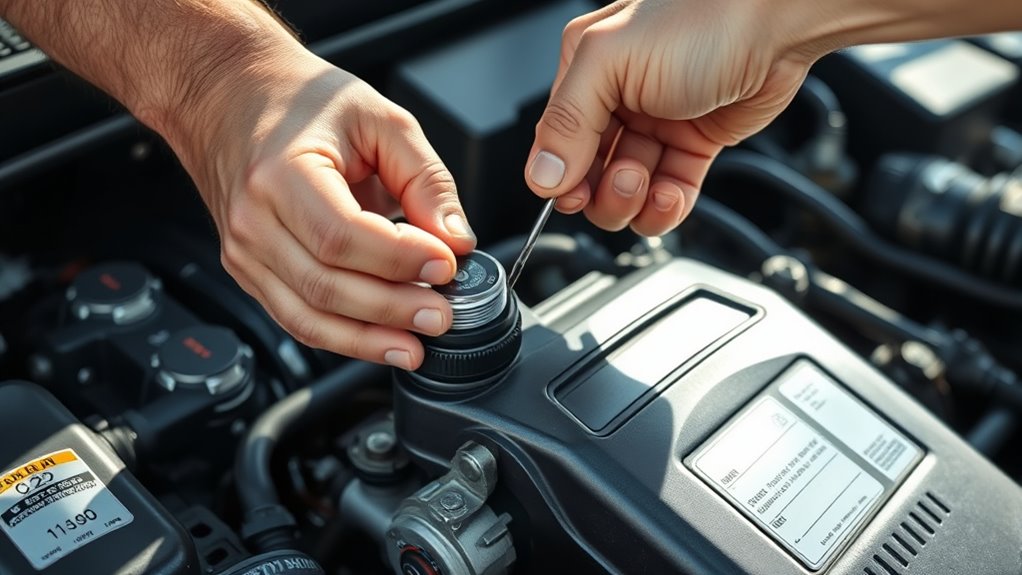
Locate the power steering fluid reservoir under your hood; it’s often marked for easy identification.
Use the dipstick to check fluid levels and condition—look for clear, reddish fluid.
If levels are low, add the appropriate fluid.
Finally, inspect for leaks and any damage around the reservoir.
These simple steps will help keep your steering smooth, and there’s more to investigate to keep your vehicle in top shape.
Key Takeaways
- Locate the power steering fluid reservoir under the hood, usually marked with a bright cap or handle for easy identification.
- Use a dipstick to check fluid levels; wipe it clean first and look for “Full” or “Low” markings.
- Inspect the fluid color; it should be clear and reddish. Dark or gritty fluid indicates contamination.
- Add the correct power steering fluid using a funnel to prevent spills and ensure proper sealing.
- Check for leaks around hoses and connections, and inspect the power steering pump for any signs of damage.
Quick Steps to Check Power Steering Fluid
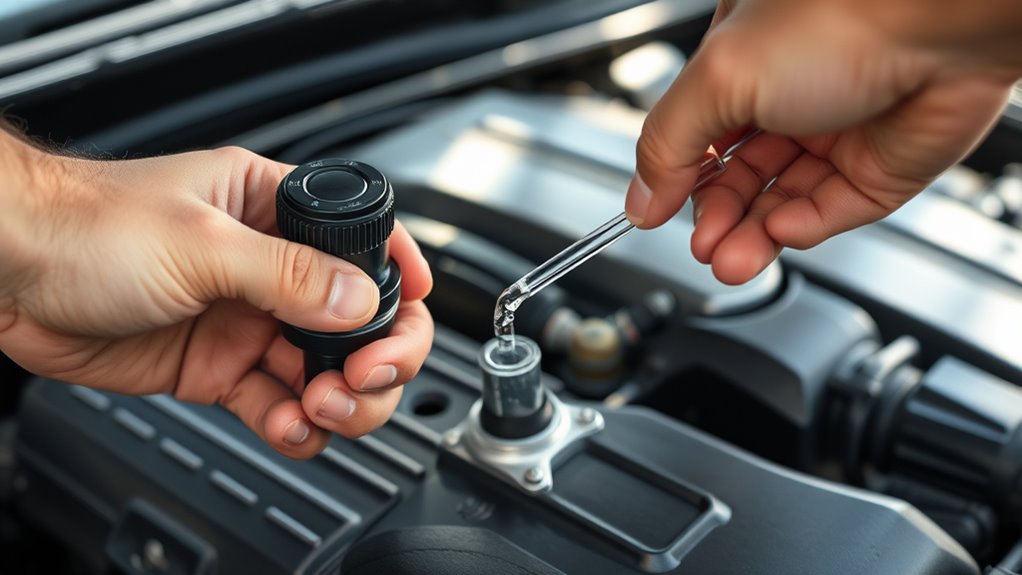
Checking your power steering fluid is quick and can help you avoid bigger problems later on. Start by finding the power steering reservoir under your hood; it’s usually marked and easy to spot.
Wipe the dipstick clean, then insert it back in and pull it out again to check the fluid level. If it’s below the recommended mark, you’ll need to add some more fluid.
Doing regular checks can improve how your car handles and extend the life of your steering system. If you hear strange noises when turning or feel that your steering is stiff, those are signs to look out for.
Regularly checking your power steering fluid enhances handling and prolongs the life of your steering system. Watch for unusual noises or stiffness.
Don’t ignore these warning signs; they could mean low fluid or other issues. Staying on top of your power steering fluid helps your car drive smoothly and prevents costly repairs.
Essential Tools for Checking Power Steering Fluid
To check your power steering fluid the right way, you’ll want to have a few essential tools on hand. It’s a good idea to gather everything before you start, so you’re not scrambling at the last minute. And don’t forget your safety gear—things like gloves and eye protection—to keep yourself safe while working on your car.
Having the right tools makes the whole process a lot easier and safer, so take a moment to get everything ready before you dive in. With the proper equipment, checking your power steering fluid will be a breeze!
Required Tools List
In relation to checking power steering fluid, having the right tools can make all the difference. You’ll need a few essentials to ensure you’re checking the correct fluid types and following maintenance tips effectively.
Here’s a handy list:
| Tool | Purpose |
|---|---|
| Funnel | To pour new fluid without spills |
| Dipstick or Gauge | To measure fluid levels |
| Clean Rag or Cloth | To wipe any spills or residue |
With these tools in hand, you’ll be ready to assess your power steering fluid quickly and efficiently. Remember, using the right equipment not only simplifies the process but also helps maintain your vehicle’s performance.
Safety Gear Essentials
While you’re preparing to check your power steering fluid, don’t forget about safety gear. Start by grabbing a pair of safety glasses to protect your eyes from any splashes.
Next, wear gloves to shield your skin from harsh chemicals and potential spills. It’s also important to make sure your work area is well-ventilated, especially if you’re working in a garage or closed space.
Good ventilation helps disperse any fumes that might come up during the process. Finally, keep spill cleanup materials like rags or a small container nearby to quickly handle any leaks.
Locate the Power Steering Fluid Reservoir
There are different reservoir types based on your vehicle’s design, including a traditional cap or a more integrated system. Knowing which type you have can help you understand how to access it properly.
For quick reference, look for a translucent container that allows you to see the fluid level without opening it.
Check Fluid Levels With the Dipstick
Now that you’ve found the power steering fluid reservoir, it’s time to check the fluid levels using the dipstick. First, locate the dipstick—it’s usually marked and easy to spot. Once you have it, pull it out and check where the fluid level sits in relation to the markings.
If the fluid is below the recommended level, don’t worry—just add a bit more until it reaches the proper mark. Keeping an eye on this helps ensure your steering stays smooth and responsive.
Locate the Dipstick
To check your power steering fluid levels, the first step is locating the dipstick. The dipstick is key for monitoring your fluid levels, so knowing where it is makes things easier.
Check your owner’s manual for specific dipstick locations. It’s often near the power steering reservoir or tucked away in the engine bay.
Look for a brightly colored handle or cap, which usually indicates the dipstick. Inspect around the engine bay to find it easily.
Once you’ve located the dipstick, you can quickly assess the fluid levels. Understanding how to find and read it helps you keep your vehicle’s steering in good shape.
Interpret Fluid Markings
Once you’ve found the dipstick, interpreting the fluid markings is essential for maintaining ideal power steering performance.
First, pull out the dipstick and wipe it clean with a lint-free cloth. Reinsert it fully, then remove it again to check the fluid level.
Look for the markings indicating “Full” or “Low.” Ideally, the fluid color should be a clear, reddish hue.
If it appears dark or brown, it might be contaminated. Moreover, assess the fluid’s consistency; it should feel smooth and not gritty.
If you notice any unusual texture or color, your power steering fluid may need attention.
Regular checks will help guarantee your steering system operates smoothly and effectively.
Add Fluid If Necessary
If your fluid level is low after checking with the dipstick, it’s time to add more power steering fluid. Make sure you use the correct fluid types specified in your vehicle’s manual for the best performance.
Before you start, clean the area around the reservoir to keep dirt out. Use a funnel to add the fluid and avoid spills.
After filling, check for leaks to make sure everything is sealed properly. Recheck the level with the dipstick to confirm it’s at the right level.
Evaluate Fluid Condition and Color
Evaluating the condition and color of your power steering fluid is key to keeping your vehicle running smoothly. Start by checking the fluid’s clarity; clear, bright fluid means it’s in good shape. If it looks dark or murky, it might be contaminated, which can cause poor steering response and damage your steering system.
Next, pay attention to the color. Healthy power steering fluid usually ranges from light amber to pinkish. If it’s brown or black, that’s a sign of burnt fluid, indicating overheating or other issues. If you see floating debris, it’s time to take action.
Regularly checking your fluid’s clarity and color helps catch problems early. This way, you can keep your steering system operating efficiently and avoid costly repairs later on. Keep an eye on these details to maintain smooth steering performance.
Add Power Steering Fluid if Necessary
Check your power steering fluid level regularly to guarantee peak performance. If it’s low, it’s important to add power steering fluid to keep your steering responsive. Make sure you’re using the right type of fluid, as different vehicles may need specific formulations.
Regularly check your power steering fluid level to ensure responsive steering and optimal performance. Use the correct fluid for your vehicle.
Here are some tips for adding power steering fluid:
- Select the right fluid type: Always check your owner’s manual for recommendations.
- Use a funnel: This helps prevent spills and keeps the area clean.
- Fill gradually: Add fluid slowly to avoid overfilling, which can cause problems.
- Check the level again: After adding, recheck the fluid level to ensure it’s within the recommended range.
Following these steps will help your power steering system run smoothly and efficiently. Regular maintenance really helps prolong the life of your vehicle’s components.
Inspect for Leaks and Damage
After topping off your power steering fluid, it’s important to inspect for leaks and damage. Start by checking the hoses and connections for any signs of fluid seeping out. This is essential for effective leak detection. If you spot any wetness or fluid stains, you may have a leak that needs immediate attention.
Next, look at the power steering pump and reservoir for cracks, corrosion, or any signs of wear that could cause problems. Doing a thorough damage check now helps you avoid bigger issues later. Don’t forget to check under your vehicle for puddles or drips, as these can be signs of a leak.
If you notice anything unusual, consider calling a professional mechanic to take a look. Regular inspections can save you time and money, and keep your power steering system running smoothly.
Frequently Asked Questions
How Often Should I Check My Power Steering Fluid?
You should check your power steering fluid at least once a month as part of your maintenance routine.
If you notice any leaks or if your steering feels stiff, check it more often.
Fluid replacement can vary, but generally, it’s good to change the fluid every two to three years or as your vehicle’s manual recommends.
Keeping an eye on it helps ensure smooth steering performance.
Can I Use Any Fluid for My Power Steering System?
No, you can’t just use any fluid for your power steering system. Think of it like choosing the right potion in a fantasy tale; using the wrong one can lead to disaster.
Different power steering types need specific fluids for top performance. Check your owner’s manual for fluid compatibility to avoid damaging your system.
Stick with the recommended options, and you’ll keep your steering smooth and your ride enjoyable.
What Are the Signs of Low Power Steering Fluid?
You’ll notice signs of low power steering fluid when your steering wheel becomes stiff and hard to turn.
Listen for unusual power steering noises like whining or groaning, especially when you’re turning.
If you feel vibrations or hear clunking sounds, that’s another red flag.
These symptoms indicate your system might be low on fluid, so it’s best to check it soon to avoid potential damage to your steering system.
Is It Safe to Drive With Low Power Steering Fluid?
It’s not safe to drive with low power steering fluid. You might notice your steering feels heavier or makes strange noises, which signals an issue in your steering system.
Without proper fluid maintenance, you risk damaging the pump and other components. If you see these signs, it’s best to check your fluid levels right away.
Ignoring the problem can lead to costly repairs and make driving dangerous. Stay proactive and take care of your steering system.
Where Can I Buy Power Steering Fluid?
You can buy power steering fluid at local auto parts stores, big-box retailers, or online marketplaces. When choosing, make sure you check the fluid types compatible with your vehicle.
Most stores carry a range of brands, so you’ll find the right one for your needs. Don’t forget to ask for assistance if you’re unsure which type to pick. The staff can help you find exactly what you need.
Conclusion
By following these straightforward steps, you can quickly safeguard your steering system. Staying aware of your power steering fluid helps keep your car cruising confidently.
Don’t forget: regular checks prevent potential problems and maintain performance. Stay proactive by spotting any signs of seepage and fixing issues early.
With a little effort, you’ll ensure a smooth and safe drive every time. Remember, keeping an eye on your power steering fluid today builds dependability for tomorrow!