Understanding Power Steering Fluid – A How-To Guide
Many drivers find themselves frustrated when their steering feels stiff or unresponsive, especially during those tight turns or quick maneuvers. You’re not alone—power steering fluid issues are a common cause of these problems, and understanding how to care for it can make a big difference.
Power steering fluid’s essential for smooth steering and easy maneuvering. It helps your wheels turn effortlessly by flowing through the system.
You’ll know it’s time for attention if you hear whining sounds, notice fluid discoloration, or feel jerky steering.
Regular checks and maintenance, like topping off or changing the fluid, keep your system running smoothly. Knowing how to care for it can greatly improve your vehicle’s performance and safety, and there’s more to explore about keeping it in top shape.
Key Takeaways
- Power steering fluid is essential for easy maneuvering and smooth steering. It works as hydraulic fluid in the system to help turn your wheels effortlessly.
- Check the fluid regularly for color and level. Ideally, it should be clear or light yellow. Dark or murky fluid could mean there’s a problem.
- To add fluid, find the reservoir first. Clean the cap before opening it, and use a funnel to prevent spills. Make sure you add the correct type of fluid.
- Monthly maintenance should include looking for leaks, contamination, and any unusual noises when steering. These signs can indicate potential issues.
- Keeping the fluid in good shape improves steering response, reduces wear, and can save you money on repairs over time.
What Is Power Steering Fluid and Its Purpose?
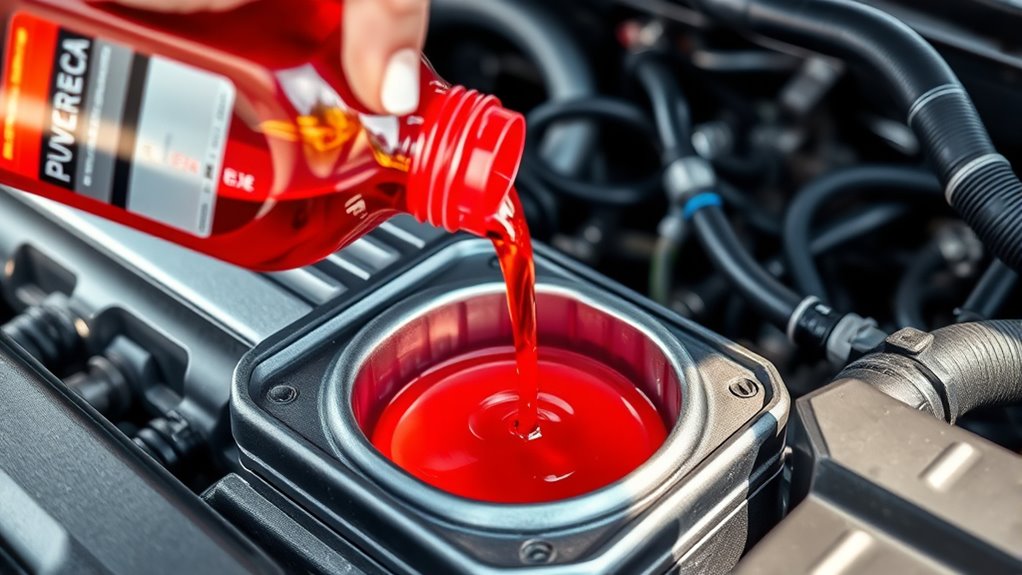
Power steering fluid is essential for smooth steering and easy maneuvering. It works as a hydraulic fluid, helping you turn the steering wheel effortlessly.
This fluid flows through parts like the pump, hoses, and rack and pinion to keep everything running smoothly. Using the right type of fluid ensures your power steering system stays effective.
There are different kinds of power steering fluids, such as mineral-based and synthetic. Each has benefits like better temperature resistance or improved lubrication.
Over time, the fluid can get contaminated or break down, which may impact how well your steering works. Regular checks and fluid replacements help keep your steering responsive and precise.
Knowing what power steering fluid does helps you take proper care of your vehicle. This way, you can maintain good handling and stay safe on the road.
Signs Your Power Steering Fluid Needs Attention
How can you tell if your power steering fluid needs attention? Pay close attention to how your steering feels. If turning the wheel suddenly becomes harder or you hear whining sounds, it’s a sign your fluid might be low or contaminated.
Check the reservoir for any dark, murky liquid. Fresh power steering fluid is usually bright and clear, so discoloration can mean there’s an issue that needs fixing. Also, look for leaks under your vehicle—fluid pooling is a red flag.
If you see leaks, act quickly to prevent more damage. Lastly, if your steering feels unresponsive or jerky, it’s time to check the fluid. Keeping an eye on these signs helps keep your power steering system healthy and your driving safe.
How to Check Your Power Steering Fluid Level?
Ever wondered if your power steering fluid is at the right level? Checking it is key for smooth steering. Here’s a simple guide:
First, locate the reservoir. It’s usually marked with a steering wheel icon so you can spot it easily.
Next, check the fluid’s color. Ideally, it should be clear or light yellow. If it looks dark or cloudy, it’s time for a change.
If your reservoir has a dipstick, pull it out and wipe it clean. Then, reinsert it to check the level.
Make sure you know what type of power steering your vehicle uses, as different types might have different requirements.
If the level is low, you’ll want to add fluid soon. Regular checks help prevent steering issues and keep your driving smooth.
Stay proactive to ensure your steering stays responsive and your drive remains safe and enjoyable!
How to Properly Add Power Steering Fluid
If you find that your power steering fluid is low, adding more is pretty simple. First, check your owner’s manual to find out the correct type of fluid for your vehicle.
Once you know the right fluid, locate the power steering reservoir—usually marked with a steering wheel icon. Before opening it, clean the cap to keep dirt out.
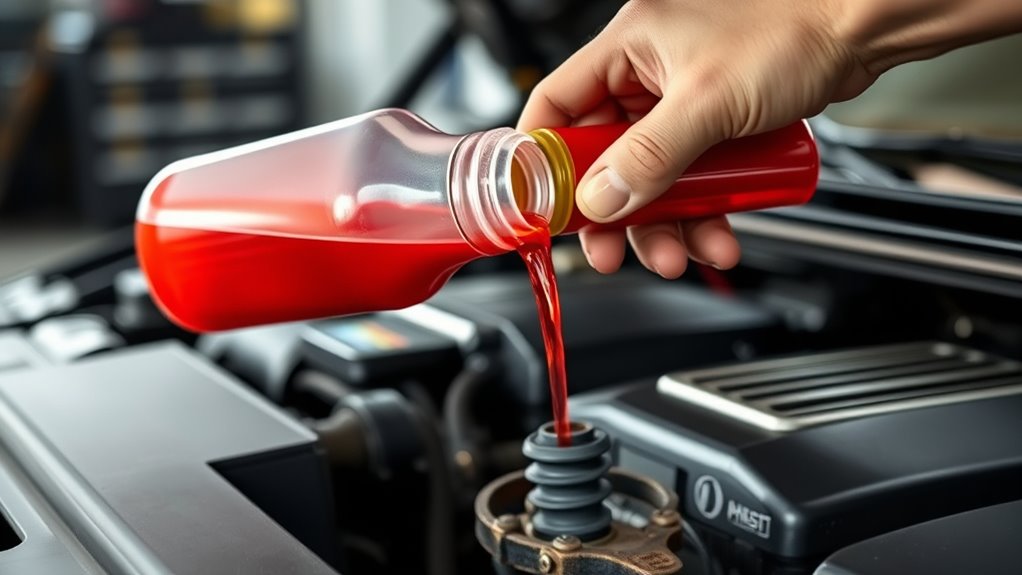
Remove the cap and use a funnel to avoid spills. Pour in the fluid slowly, checking the level often so you don’t overfill. Afterward, put the cap back on securely.
It’s a good idea to turn the steering wheel from side to side a few times to help circulate the new fluid. Finally, check the level again to make sure it’s within the recommended range. Following these steps will help keep your power steering system working smoothly.
Signs It’s Time to Change Your Power Steering Fluid
When should you consider changing your power steering fluid? Keeping an eye on your fluid’s condition can help you avoid costly repairs. Look for these signs that it’s time for a change:
Fluid Color: If your power steering fluid has turned dark brown or black, it’s a clear sign that it’s degraded and needs to be replaced.
Contamination Signs: Check for debris or particles floating in the fluid. This can indicate contamination, which can affect the system’s performance.
Steering Difficulty: If steering feels stiff or you hear whining noises when turning the wheel, it might be time to refresh the fluid.
How to Choose the Right Power Steering Fluid for Your Vehicle
After figuring out the signs that your power steering fluid needs changing, the next step is choosing the right fluid for your vehicle. Start by checking your owner’s manual for recommendations on fluid compatibility. Different cars need specific types, and using the wrong fluid can cause damage.
Next, look at the viscosity ratings. These tell you how thick or thin the fluid is, which impacts steering performance. You’ll usually see ratings like ISO 32 or ISO 46 on the bottle. Make sure the viscosity matches what your vehicle requires for optimal function.
Finally, think about the additives in the fluid. Some fluids contain special ingredients that improve performance and protect your system. Once you’ve confirmed compatibility and viscosity, you’ll be ready to pick the right fluid and keep your power steering system running smoothly.
Common Power Steering Fluid Leaks and Their Causes
Power steering fluid leaks can be really frustrating, especially since they often point to bigger issues in your steering system. Finding out where the leak is coming from is crucial for fixing it properly.
Common causes include seal failure, which happens as seals wear out over time. Temperature changes can make this worse by affecting fluid viscosity. Rubber hoses can also crack and deteriorate, letting fluid escape. Regular inspections can help catch these early.
A faulty power steering pump might also cause leaks, either through cracks in the reservoir or other parts. Contamination from dirt and debris can make leaks worse, so keeping the fluid clean is important. Addressing these problems quickly will help keep your steering system in good shape and prevent bigger repairs later on.
How to Tell When Your Power Steering Needs Professional Help?
If you start hearing strange noises when you’re turning the steering wheel or notice it’s harder to turn than usual, that’s a good sign you might need some professional help. It’s not something to ignore because it could be a sign that your power steering system is having issues.
Also, keep an eye out for any fluid leaks underneath your car. If you see a puddle or spot fluid on the ground, it could mean there’s a serious problem with your power steering. Don’t brush it off—getting it checked out early can save you from bigger, more costly repairs later on.
Unusual Noises When Steering
When you hear unusual noises while steering, it’s often a red flag that your power steering system needs attention. Ignoring these sounds can lead to bigger issues down the road.
You might notice steering vibrations that weren’t there before or an unusual whirring noise when turning the wheel. A grinding sound during maneuvers is also a common sign.
These signs indicate that your power steering fluid may be low or that there’s a problem with the pump or belt. Address these noises promptly; they can signal a decline in steering performance or even damage to your vehicle.
If the sounds persist, don’t hesitate to consult a professional to diagnose the issue and keep your steering system in top shape.
Difficulty Turning Wheel
Often, you might find it increasingly hard to turn the steering wheel, which could be a sign of a problem with your power steering system. If you notice the wheel feels stiff or doesn’t respond as usual, it’s time to pay attention.
These signs suggest your power steering fluid might be low, contaminated, or there could be a mechanical issue. Ignoring them can lead to bigger problems later on.
When you struggle to steer, especially at low speeds or when parking, don’t hesitate to get professional help. A trained technician can diagnose the problem and get your steering working smoothly again.
Fluid Leak Under Car
Noticing a fluid leak under your car can be pretty unsettling, especially if it’s dark and oily. This often points to a power steering fluid leak. Finding the source early is key to fixing the problem quickly.
Look for the fluid’s color. Power steering fluid usually looks reddish or pink, which is different from darker engine oil. Check for puddles under the front of your car where the power steering parts are located.
If turning the wheel feels harder than usual and you see a leak, it’s a sign you should get professional help. Ignoring these signs can cause bigger issues down the line.
Different types of fluid leaks can mean different problems, so don’t delay in having a mechanic do a thorough inspection.
How to Maintain Your Power Steering System Effectively
To keep your power steering system running smoothly, it’s important to do regular maintenance. Check the power steering fluid level at least once a month. If it’s low, top it off with the recommended fluid.
Be on the lookout for fluid contamination. Dirty or discolored fluid can cause problems. If you notice any changes, it might be time to flush the system.
Inspect hoses and connections for leaks or wear, since they can affect how your steering works. Tighten loose fittings and replace any damaged parts quickly.
Listen for unusual noises when turning the wheel. These sounds could indicate issues that need attention.
Finally, consider having a professional check your system once a year. Regular maintenance helps your system last longer and keeps driving safe.
The Benefits of Regular Power Steering Fluid Maintenance
Keeping up with your power steering fluid is a smart move. When you do it regularly, your steering feels more responsive, making your drives smoother and safer. Plus, it helps your entire steering system last longer, which saves you money over time.
Just make sure to check your fluid levels and quality now and then. It’s a simple way to avoid expensive repairs later on and keep everything running smoothly.
Improved Steering Responsiveness
When you keep up with regular power steering fluid maintenance, you’ll notice a big difference in how responsive your steering feels. Proper fluid viscosity ensures your steering system runs smoothly, making your driving more enjoyable.
With well-maintained fluid, you’ll experience quicker turns because your vehicle responds faster to your inputs. It also takes less effort to turn the wheel, so driving becomes more comfortable.
Keeping the fluid clean and effective means your steering stays consistent and performs at its best. Regular maintenance not only improves responsiveness but also helps your overall driving experience.
Investing a little time in your power steering fluid makes a noticeable difference in how your car handles. Enjoy the smoother, easier steering every time you hit the road!
Extended System Lifespan
Maintaining your power steering fluid not only boosts performance but also significantly extends the lifespan of your steering system. Regular checks and fluid changes help prevent contamination, which can cause early wear on key parts. Keeping the fluid clean ensures everything runs smoothly and efficiently.
System flushing is also crucial. It helps clear out debris or old fluid that could cause damage over time. Flushing revitalizes the system, leading to better operation and lowering the chance of costly repairs later on. So, taking care of your power steering fluid pays off with a longer-lasting, more dependable steering system.
Reduced Repair Costs
By keeping up with your power steering fluid maintenance, you can greatly cut down on repair costs later on. Ignoring this important task can lead to serious issues that end up being expensive to fix.
Here are some money-saving tips to keep in mind:
- Preventative Care: Regularly checking and replacing your power steering fluid can help you avoid costly repairs.
- Avoid Repair Comparisons: Fixing small problems early on stops them from turning into bigger, more expensive issues.
- Enhanced Performance: Using fresh fluid ensures smooth operation, reducing strain on your system and helping it last longer.
Frequently Asked Questions
Can I Use Regular Oil Instead of Power Steering Fluid?
No, you can’t use regular oil instead of power steering fluid. Power steering types require specific fluids designed for peak performance and compatibility with your system.
Using regular oil can damage your steering components and lead to costly repairs. Always check your vehicle’s manual for the recommended fluid type to guarantee everything runs smoothly.
Stick with the right power steering fluid to maintain your car’s handling and safety.
How Often Should I Check My Power Steering Fluid?
You should check your power steering fluid every month as part of your maintenance routine. Regular checks help you catch leaks early and keep your system running smoothly.
If you notice the fluid level dropping often, it might be time for a fluid replacement. Keeping an eye on it can save you from costly repairs later on.
Make it a habit to inspect your fluid regularly to keep your vehicle in good shape.
Is It Safe to Drive With Low Power Steering Fluid?
Driving with low power steering fluid isn’t just a bad idea; it’s like trying to navigate a ship without a compass. Your steering responsiveness will suffer, making it hard to maneuver safely.
You might notice increased effort to turn the wheel, and there’s a risk of fluid leakage causing further damage. If you find yourself low, top it off and check for leaks before hitting the road again.
Safety first!
What Happens if I Mix Different Power Steering Fluids?
Mixing different power steering fluids can cause compatibility issues, leading to problems like foaming, less effective lubrication, or even damaging your pump.
It’s really important to follow your vehicle manufacturer’s recommendations. If you’re unsure, just check the owner’s manual or ask a professional.
Proper maintenance of your power steering system helps keep your steering smooth and extends its lifespan. So, avoid mixing fluids to keep everything running smoothly and efficiently.
Can Power Steering Fluid Affect My Car’s Braking System?
Yes, power steering fluid can affect your car’s braking system. If the fluids aren’t compatible, it can lead to decreased braking performance and safety issues.
Mixing fluids may introduce contaminants that affect both systems. Always use the manufacturer’s recommended fluid to ensure everything works properly.
Regularly check for leaks, and if you notice any mixing, flush the systems to prevent damage. Keeping everything compatible helps maintain your car’s safety and efficiency.
Conclusion
In short, keeping your power steering fluid in check is like giving your car a revitalizing drink on a hot day. Just as you feel more energized after hydration, your vehicle steers smoother and handles better with proper fluid maintenance.
Regular checks and timely changes can prevent costly repairs down the road. Think of it as a little tune-up for your ride, making every turn feel effortless and safe.
By maintaining your power steering fluid, you’re ensuring your vehicle’s steering system stays in top shape. Staying proactive with fluid checks is key to smooth and safe driving.