Choosing the Right Hypoid Gear Oil for Machinery
Struggling to keep your machinery running smoothly? You’re not alone—many people find choosing the right hypoid gear oil confusing and overwhelming. The right oil can make all the difference in performance and longevity.
Choosing the right hypoid gear oil is crucial for your machinery’s performance and lifespan. Opt for synthetic oils for their superior thermal stability and improved lubrication.
Pay close attention to viscosity ratings, as they affect efficiency and protection under various loads. Don’t overlook essential additives that boost performance.
Regular maintenance and oil changes also play a key role in avoiding problems. Learn more about the impact of operating conditions and common pitfalls to guarantee your gear remains in top shape.
Key Takeaways
- Choose synthetic hypoid gear oils for better lubrication, thermal stability, and resistance to breakdown compared to mineral oils. They help your machinery run smoothly for longer.
- Pay close attention to viscosity ratings. Make sure the oil matches your machine’s operating conditions for optimal performance and protection.
- Add essential additives like Extreme Pressure (EP) agents and anti-wear substances. These boost protection and keep everything running efficiently.
- Regularly change the gear oil and keep an eye out for signs of contamination. This helps maintain smooth operation and prevents premature wear.
- Always follow your manufacturer’s recommendations for oil type, viscosity, and additives. This ensures the oil works well with your equipment and delivers the best results.
Why Choosing the Right Hypoid Gear Oil Is Essential
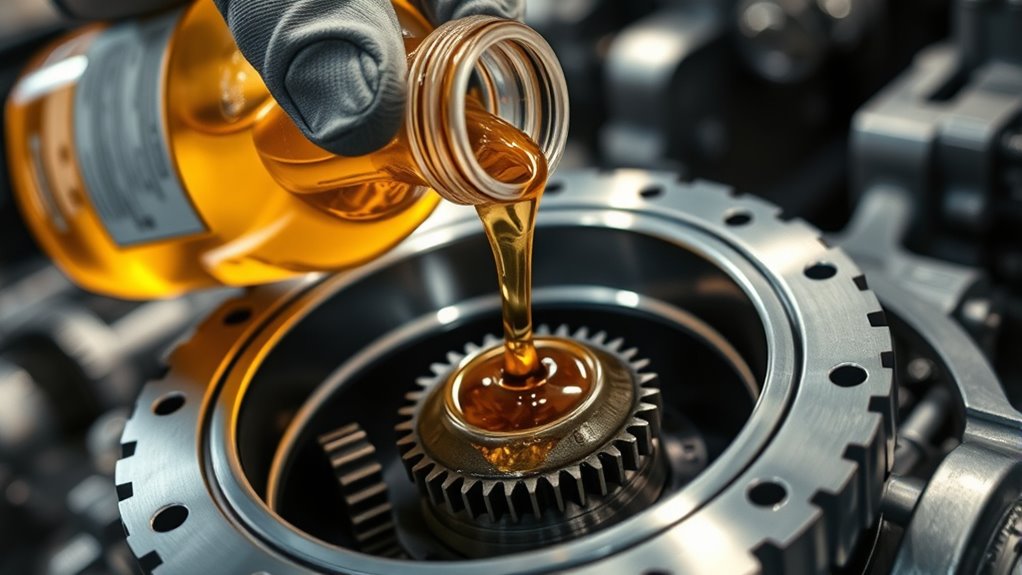
When you’re selecting hypoid gear oil, it’s important to know that the right choice can really impact your vehicle’s performance and how long it lasts. Different types of gear oil have unique qualities that can help your machinery run more efficiently. For example, synthetic oils usually offer better lubrication, which reduces friction and wear, especially in tough conditions.
Using the proper hypoid gear oil ensures smooth gear engagement and helps prevent overheating and damage. On the other hand, opting for lower-quality oil can lead to more maintenance issues and a shorter lifespan for your gears.
Key Differences Between Synthetic and Mineral Hypoid Gear Oils
Selecting the right hypoid gear oil means understanding the differences between synthetic and mineral options. Here’s what you need to know:
- Synthetic Benefits: Synthetic oils provide better thermal stability and resist breakdown, so they last longer and protect your gears better.
- Mineral Drawbacks: Mineral oils can break down faster at high temperatures, which can lead to more wear and tear on your machinery.
- Viscosity Range: Synthetic oils usually have a wider viscosity range, helping your gear oil perform well in different temperatures.
- Additives: Synthetic oils often include advanced additives that boost performance, while mineral oils may lack these, offering less protection.
How Do Viscosity Ratings Impact Hypoid Gear Oil Performance?
Understanding viscosity ratings is crucial for getting the best performance from hypoid gear oil. Viscosity affects how well the oil lubricates your machinery, impacting both efficiency and lifespan.
If you pick an oil with too low a viscosity, it might not offer enough protection under heavy loads, which can lead to more wear. On the flip side, an oil that’s too thick can cause extra resistance, reducing efficiency and causing overheating.
When thinking about viscosity, it’s important to choose an oil that suits your equipment’s operating conditions. For example, in cold weather, a lower viscosity oil flows better and provides quick lubrication at startup.
In high-temperature environments, a higher viscosity oil may be needed to keep a good protective film. Ultimately, selecting the right viscosity rating is key to optimizing performance and extending the life of your hypoid gears.
Essential Additives for Hypoid Gear Oil Performance
Essential additives play a vital role in improving the performance of hypoid gear oil. Understanding these key components can help you ensure optimal protection and efficiency for your machinery. Here are four important additives to keep in mind:
- Extreme Pressure (EP) Additives: These prevent wear under high load conditions, helping your gears last longer.
- Anti-Wear Agents: They form a protective layer on metal surfaces, reducing friction and wear over time.
- Viscosity Index Improvers: These enhance the oil’s viscosity across different temperatures, so performance stays consistent.
- Detergents and Dispersants: They keep contaminants suspended, promoting cleanliness and preventing sludge buildup.
How Operating Conditions Affect Your Gear Oil Choice
When your machinery operates under different conditions, it’s important to choose the right gear oil. Your selection should match the specific needs of your environment.
High temperatures can cause oil to break down faster, so consider a synthetic oil that handles heat better. If you’re in a cold climate, a lower viscosity oil helps keep things flowing smoothly.
Dusty or dirty environments mean you need gear oils with better filtration properties to last longer. Heavy loads also call for oils with high load-carrying capabilities to protect your gears from wear.
Understanding how these factors affect your gear oil choice helps you keep your machinery running at its best. Matching your oil to your operating conditions isn’t just a suggestion — it’s essential for maintaining efficiency and extending the life of your equipment.
How to Use Manufacturer Recommendations for Gear Oil
While you might feel tempted to pick any gear oil that seems okay, following the manufacturer’s recommendations is really important for the best performance. Sticking to these guidelines makes sure the oil works well with your equipment and keeps everything running smoothly.
Here’s how to make the most of those recommendations:
- Check the Manual: Always look at your equipment’s manual for the right gear oil type and viscosity.
- Look for Certifications: Make sure the oil meets any industry standards the manufacturer specifies.
- Consider Operating Conditions: Think about the environment where your machinery works, as it can affect which oil is best.
- Consult Experts: If you’re unsure, don’t hesitate to ask the manufacturer or a lubricant specialist for advice.
The Role of Temperature in Hypoid Gear Oil Performance
Temperature plays a crucial role in the performance of hypoid gear oil, influencing its viscosity and effectiveness. You need to understand how temperature effects can impact lubrication efficiency.
In higher temperatures, oil may thin out, altering its viscosity behavior and leading to potential thermal degradation. This can compromise heat resistance and overall performance consistency.
Conversely, in cold weather, hypoid gear oil can thicken, which can reduce its ability to provide proper lubrication. This highlights the importance of selecting oil with excellent thermal stability to maintain peak performance across varying temperatures.
When you choose the right hypoid gear oil, consider its viscosity ratings and how they respond to temperature fluctuations. By doing so, you’ll guarantee your machinery runs smoothly, reducing wear and tear while maximizing lifespan. Remember, the right oil can make all the difference in maintaining effective lubrication under diverse conditions.
Common Mistakes to Avoid When Choosing Gear Oil
When you’re choosing gear oil, it’s easy to overlook some important factors that can really affect how well it works. For example, ignoring the viscosity ratings can lead to using oil that’s either too thick or too thin for your gear’s needs. Plus, not thinking about the additives required for your specific equipment can cause issues down the line. And don’t forget to check the manufacturer’s specifications—skipping this step might mean using oil that isn’t suitable for your gear. Let’s go over these common mistakes so you can pick the right oil and keep everything running smoothly.
Ignoring Viscosity Ratings
Choosing the right hypoid gear oil is crucial, but many people overlook viscosity ratings, which can lead to costly mistakes. Misunderstanding viscosity can cause you to pick an oil that’s either too thick or too thin for your machinery, affecting performance.
When selecting your gear oil, think about your operating temperature to ensure the viscosity matches the oil temperature of your equipment. High loads might need higher viscosity oil for better lubrication.
Also, consider the ambient temperature. In colder environments, a lower viscosity oil can help prevent startup issues. Always check your equipment’s manual for the manufacturer’s recommended viscosity to make the best choice.
Ignoring these factors can seriously impact your gear’s efficiency and lifespan. Make informed decisions to avoid unnecessary costs and keep everything running smoothly.
Overlooking Additive Requirements
While it might be tempting to focus solely on viscosity, overlooking additive requirements can lead to serious gear issues. Additives are crucial for enhancing oil performance and protecting your machinery.
If you choose a gear oil without considering additive compatibility, you risk compromising lubrication and increasing wear on components. For example, anti-wear agents, detergents, and rust inhibitors all work together to ensure smooth operation.
Failing to match these additives with your machinery can reduce efficiency and even cause costly breakdowns. Always check the additive package in your gear oil to make sure it meets your application’s needs.
Prioritizing additive compatibility helps maintain peak performance and extends the life of your gears.
Neglecting Manufacturer Specifications
Ignoring manufacturer specifications can lead you down a costly path of gear failure. When you choose gear oil that doesn’t match these specs, you’re risking serious issues like compatibility problems and performance drops.
To avoid these pitfalls, keep these points in mind:
- Check Viscosity Ratings: Make sure the oil matches the required viscosity for optimal performance.
- Adhere to Additive Recommendations: Some manufacturers specify certain additives for better protection.
- Confirm Oil Type: Use synthetic or mineral oil as directed; deviations can cause failures.
- Review Operating Conditions: Different environments may need specialized formulations.
Sticking to these guidelines will help keep your machinery reliable and lasting longer.
How to Fix Common Gear Oil Mistakes
Many gear oil mistakes can lead to poor performance or even damage your equipment. It’s important to catch these issues early to keep everything running smoothly.
Here are some common gear oil myths and tips to help you maintain your machinery better:
| Mistake | Fix |
|---|---|
| Using the wrong viscosity | Check the manufacturer’s specs |
| Ignoring oil changes | Set a regular maintenance schedule |
| Overfilling | Drain any excess oil |
Changing and Maintaining Hypoid Gear Oil
Changing your hypoid gear oil regularly is really important if you want your gear system to work smoothly and last a long time. Keep an eye out for any signs of contamination, like a strange color or smell—that’s a good way to tell if the oil needs attention.
And when it’s time to swap out the oil, make sure you dispose of the old stuff properly. It’s all about taking care of the environment while keeping your gear system in top shape.
Importance Of Regular Changes
While it might be easy to overlook, regularly changing your hypoid gear oil is crucial for keeping your vehicle running smoothly and lasting longer. Skipping this step can lead to costly repairs and less efficient operation.
Here’s why you should make regular oil changes a priority:
- Enhanced Oil Quality: Fresh oil keeps its lubrication properties, which helps reduce wear on your gears.
- Heat Dissipation: Changing the oil regularly helps control heat buildup, preventing your drivetrain from overheating.
- Contaminant Removal: New oil flushes out dirt and debris that can damage your gears over time.
- Optimal Performance: Consistent oil changes ensure smooth operation and boost your vehicle’s overall efficiency.
Signs Of Oil Contamination
Regularly changing your hypoid gear oil not only keeps it quality high but also helps you catch signs of contamination early. Look for oil discoloration—darker color often means it’s degrading.
Be on the lookout for particles in the oil, as debris can damage your machinery. Moisture intrusion is also a concern; check if the oil looks milky or cloudy.
Smell the oil—if you notice a burnt odor, it’s time to investigate further. Foaming can indicate air getting into the oil, which hurts lubrication.
Finally, watch for sludge buildup, as it can slow down performance and lead to costly repairs. Keeping an eye on these signs helps ensure your machinery runs smoothly and efficiently.
Proper Disposal Methods
How can you guarantee you’re disposing of hypoid gear oil properly? It’s important to handle used oil responsibly to reduce its environmental impact. Here’s how you can do it:
- Check Local Regulations: Always follow your area’s rules for hazardous waste disposal.
- Use Recycling Options: Many auto shops or recycling centers accept used hypoid gear oil for proper processing.
- Store Safely: Keep used oil in a sealed container to prevent leaks and contamination.
- Educate Others: Share disposal methods with colleagues to promote responsible practices in your workplace.
Frequently Asked Questions
Can I Mix Different Types of Hypoid Gear Oils?
You shouldn’t mix different types of hypoid gear oils. Gear oil compatibility varies a lot, and mixing them can cause problems like reduced performance or even damage.
Always follow the mixing guidelines provided by the manufacturers. If you’re unsure, it’s best to drain the old oil before adding a new type. This way, you can guarantee the best performance and longer life for your machinery.
Sticking to the same type of gear oil helps keep everything running smoothly and reliably.
How Often Should I Change My Hypoid Gear Oil?
You should change your hypoid gear oil every 5,000 to 10,000 miles, but it really depends on your specific maintenance schedule and how you use your equipment.
If you’re working under heavy loads or in extreme conditions, it’s a good idea to shorten that interval. Regular oil changes help keep everything running smoothly and extend the life of your machinery.
Always check the manufacturer’s recommendations for the best guidance tailored to your situation.
What Are the Signs of Low-Quality Hypoid Gear Oil?
Low-quality hypoid gear oil often shows signs like increased noise, overheating, and excessive wear. You’ll notice poor lubrication performance, which can be linked to inadequate oil viscosity.
If your gears are grinding or the oil looks cloudy or dirty, it’s probably a sign of inferior quality. Regularly check for these indicators to keep your machinery running smoothly and efficiently.
And don’t hesitate to replace the oil if you spot any issues. Better to be safe than sorry when it comes to maintaining your gear health.
Are There Environmental Considerations for Hypoid Gear Oil Disposal?
Imagine a spilled oil slick threatening a vibrant shoreline. When it comes to hypoid gear oil disposal, you need to think about its environmental impact.
Never pour it down drains. Instead, use proper disposal methods like recycling or taking it to a hazardous waste facility.
How Does Hypoid Gear Oil Affect Overall Machinery Lifespan?
Hypoid gear oil plays a big role in how long your machinery lasts by making sure it’s lubricated properly. When you pick the right gear oil with the right properties, it helps reduce friction and wear on the parts.
This means your equipment can run smoothly and stay in good shape longer. It also cuts down on heat buildup, which can cause early failure of components.
Regularly checking and changing the oil keeps it working at its best, helping your machinery run efficiently and last even longer.
Conclusion
Choosing the right hypoid gear oil isn’t just a matter of preference; it can mean the difference between smooth machinery operation and costly breakdowns. While synthetic oils offer superior protection and longevity, mineral oils might fit your budget better. Balancing performance with cost is key.
Don’t let common mistakes sabotage your equipment. By staying informed and proactive about your gear oil choices, you’ll keep your machinery running efficiently and reliably. Choosing the right hypoid gear oil is essential for maintaining optimal performance and avoiding unnecessary repairs.