What Is a Gear Shift and How Does It Work?
Many drivers find themselves frustrated when dealing with confusing gear shifts or struggling to get the hang of manual transmissions. You’re not alone—navigating gear shifts can be tricky, especially if you’re new to driving or switching between vehicles.
A gear shift is a crucial part of your vehicle that controls speed and power by changing the gear ratio. It helps optimize performance and fuel efficiency, making it essential for a smooth driving experience.
In manual transmissions, you shift gears yourself for direct control, while automatic ones do it for you, simplifying driving.
Understanding how gear shifts work can improve both your performance and safety. There’s also much more to discover about their mechanics and technologies that can make your driving even better.
Key Takeaways
- A gear shift controls vehicle speed and power by changing the gear ratio, which affects how the car drives.
- Types of gear shifts include manual, automatic, and sequential transmissions, each offering different levels of control.
- Automatic transmissions use parts like torque converters and planetary gear sets to shift gears smoothly without you needing to do anything.
- Smooth gear shifting involves watching RPMs, gently engaging the clutch, and predicting traffic conditions.
- Regular maintenance and troubleshooting can help prevent common issues like difficulty changing gears and strange noises.
What Is a Gear Shift and Why Is It Important?
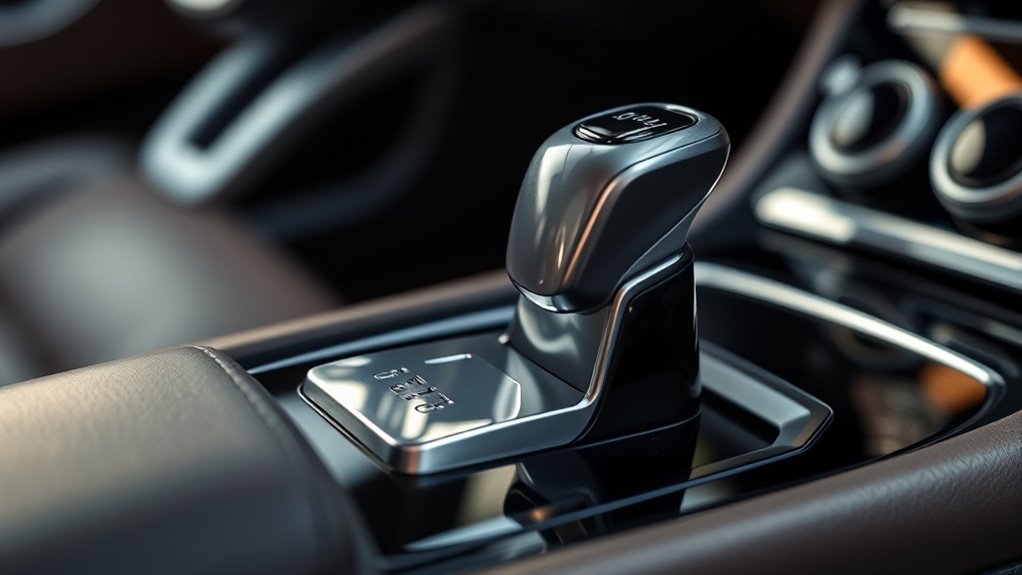
A gear shift is a key part of your vehicle that lets you control how fast or powerful your car is. It changes the gear ratio, which directly impacts your driving. When you shift gears, you’re adjusting how much power from the engine goes to the wheels.
Knowing how a gear shift works is important for any driver. It helps you get the most out of your car, whether you’re speeding up on the highway or weaving through city streets. A good gear shift makes your driving smoother and more controlled.
Ignoring this part can cause your car to use more fuel, run less efficiently, or even lead to mechanical problems. So, understanding your gear shift helps keep your car running well and makes driving safer and easier.
Tips for Smooth Gear Shifting: Best Practices
While mastering gear shifting can take time, following some best practices guarantees a smoother driving experience. First, pay attention to your RPMs. Shifting at the right engine speed helps achieve smooth changes between gears. Don’t rush; let the vehicle’s speed dictate when to shift.
Next, practice gentle clutch engagement. Release the clutch slowly to avoid jolts. Also, be mindful of your driving habits; avoid sudden accelerations or decelerations, as these can disrupt the flow of shifting.
Try to anticipate traffic conditions, allowing you to shift more smoothly and maintain a consistent speed. Finally, keep your hands steady on the wheel while shifting, as this helps maintain control and focus. By incorporating these tips into your routine, you’ll improve your gear-shifting skills and enjoy a more enjoyable driving experience.
The Mechanics of Gear Shifts: How They Work
When you shift gears, you’re actually engaging a pretty intricate system that’s all about making your driving smoother and more efficient. It might seem straightforward, but there’s a lot happening behind the scenes to ensure everything works seamlessly.
There are different types of gear shifts, like manual and automatic, and each one has its own way of doing things. Manual transmissions require you to actively change gears using a clutch and gear stick, giving you more control over how the car responds. On the other hand, automatic transmissions handle the shifting for you, making driving a lot more relaxed, especially in stop-and-go traffic.
Getting to know how these mechanisms work can really help you feel more connected to your vehicle. Plus, understanding the basics can even make you a better driver overall!
Types of Gear Shifts
Understanding the types of gear shifts is key for anyone wanting to get the most out of their vehicle. Here are three popular gear shift types you should know:
- Manual Transmission: You control the gear changes, making driving more engaging.
- Automatic Transmission: The system shifts gears for you, which is super convenient for everyday driving.
- Sequential Shifters: Common in racing cars, these let you make quick, linear gear changes.
Other options include dual clutch systems that combine features from both manual and automatic, paddle shifters for sporty control, and column or floor shifters for different car layouts. Each type offers a unique driving experience, so pick the one that suits your style!
Mechanism of Gear Engagement
The type of gear shift you choose affects how gears engage in your vehicle. In manual transmissions, you control gear engagement with the clutch and gear lever, making shifts smooth and synchronized.
Automatic transmissions, however, use hydraulic systems to engage gears without you having to do anything. This makes driving easier and more hands-off.
Here’s a quick look at how different gear shifts engage gears:
| Gear Shift Type | Engagement Mechanism |
|---|---|
| Manual | Driver-controlled via clutch |
| Automatic | Hydraulic system |
| Semi-Automatic | Combination of both |
Knowing how these mechanisms work can help you understand how your vehicle responds when you accelerate or decelerate. Proper gear engagement is key to good performance and longer vehicle life.
It also ensures a smoother driving experience every time you’re on the road.
Manual Gear Shifts: Key Features and Insights
While many drivers today prefer automatic transmissions, manual gear shifts offer a unique driving experience that keeps you in control. Mastering this system can help you improve your driving skills and connect more with your vehicle.
Here are three key features that highlight the benefits of manual gear shifts:
- Direct Control: You choose when to shift gears, so you can optimize gear ratios for different driving situations.
- Enhanced Responsiveness: The tactile feedback from the gear lever lets you feel connected to the car, making acceleration feel smoother.
- Fuel Efficiency: With the right gear choices, you can boost your fuel economy, especially in stop-and-go traffic.
How Automatic Gear Shifts Work
Automatic gear shifts make driving a lot easier because they handle the gear changes for you. Instead of having to shift gears manually, the car takes care of it, so you can focus more on the road. It’s pretty neat how all the parts work together smoothly to ensure the shifts are seamless and the ride feels comfortable.
So, how do these mechanisms actually work? Well, they use a combination of sensors, a computer, and some pretty clever hardware to determine when to shift gears. When you accelerate or slow down, the system figures out the best time to change gears, helping your car run efficiently without you having to think about it.
And there are some pretty great benefits to automatic shifting, too. It makes driving less stressful, especially in stop-and-go traffic, and can even improve fuel economy. Plus, it’s just more convenient—no more clutch pedals or manual gear changes. Overall, it’s a smart way to make your driving experience smoother and more enjoyable.
Components of Automatic Transmissions
Understanding the components of automatic transmissions is key to knowing how gear shifts happen so smoothly. These parts work together to change gear ratios seamlessly, helping your car accelerate effortlessly.
Here are three important components you should know about:
- Torque Converter: This part transfers engine power to the transmission using transmission fluid. It creates a fluid coupling that makes shifting smooth and efficient.
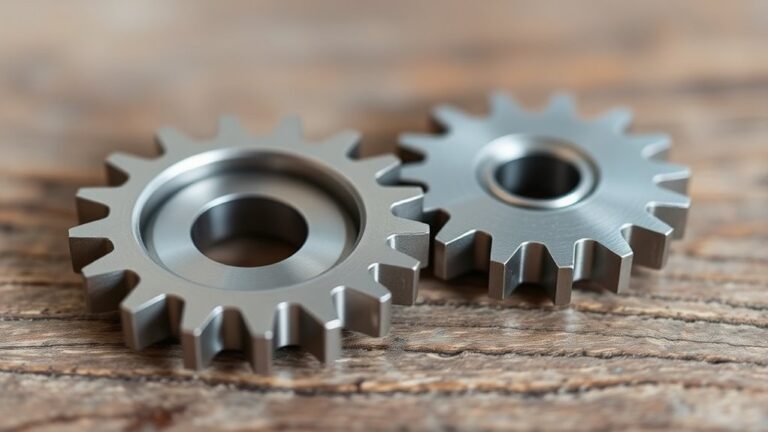
- Planetary Gear Set: It changes the gear ratio, allowing your car to shift smoothly between different speeds. This ensures a comfortable ride whether you’re accelerating or cruising.
- Hydraulic System: This system uses transmission fluid to control various components. It makes sure movements during shifts are precise and reliable.
Getting familiar with these parts will give you a better understanding of how automatic gear shifts work behind the scenes.
Shifting Mechanism Explained
As you drive, the shifting mechanism in your automatic transmission works smoothly to change gear ratios without you needing to think about it. It uses hydraulic pressure and electronic controls to decide when to shift, optimizing performance based on your speed and acceleration.
This process involves advanced shifting techniques that ensure smooth gear changes, making your driving experience more comfortable. Regular gear shift maintenance is key to keeping this system working well.
Ignoring maintenance can cause rough shifts or even lead to transmission failure. Watch out for signs like slipping or delays in shifting. Understanding how the shifting mechanism works helps you appreciate the technology that makes driving easier and more enjoyable.
Benefits of Automatic Shifts
- Less Fatigue: No more constant clutching or shifting, making long drives much less tiring.
- Easier Hills: Automatic shifts handle inclines effortlessly, so you won’t roll back or strain your engine.
- Better Fuel Efficiency: Modern automatics optimize gear changes, often improving your fuel economy.
With these advantages, it’s clear why many drivers prefer automatic gear shifts for everyday travel.
The Role of Sensors in Modern Gear Shifts
Modern gear shifts rely heavily on sensors to boost performance and precision, ensuring you experience smoother changes between gears. Various sensor types, including position and pressure sensors, play vital roles in determining when to shift. These sensors work together through sensor integration, providing real-time data to the vehicle’s control system.
Proper sensor calibration is essential for maintaining sensor accuracy, allowing your gear shift to respond intuitively to your driving style. When you accelerate or decelerate, the system uses sensor feedback to adjust shifting patterns, optimizing both efficiency and comfort.
This seamless communication between the sensors and the transmission system makes your driving experience more enjoyable and responsive. By understanding the importance of these sensors, you gain insight into how modern gear shifts operate and why they’re designed for maximum performance. This technology not only improves shifting but also enhances overall vehicle control.
Troubleshooting Common Sensor Issues in Gear Shifts
When sensors in your gear shift start acting up, it can be pretty frustrating. To troubleshoot these issues, try these simple steps:
First, check all the connections. Loose or corroded wiring can mess up communication between the sensors and the control unit. Make sure everything is securely connected.
Check all connections; loose or corroded wiring can disrupt sensor communication with the control unit. Ensure everything is securely connected.
Next, use a diagnostic scanner to pull error codes from your vehicle’s onboard computer. This can help identify specific sensor problems quickly and save you some time.
Finally, some sensors might need recalibration after repairs or replacements. Follow your vehicle’s manual for the correct calibration steps to keep everything working smoothly.
Common Mechanical and User Issues With Gear Shifts
While steering your vehicle, you might run into common mechanical and user issues with gear shifts that can disrupt your drive. Gear shift problems often show up as trouble changing gears or strange noises. These can come from worn parts or low transmission fluid, causing frustration and safety worries.
On the user side, discomfort can happen if the gear shift isn’t well-designed, making it tough to find the right position. This can distract you or make controlling the car harder. If the shift feels too stiff or too loose, it can also make driving unsettling.
Regular maintenance can help prevent these issues, keeping your gear shift smooth and comfortable. Being aware of these mechanical and user problems can improve your driving experience and keep you safer on the road.
The Evolution of Gear Shift Technology
Gear shift problems can often come from outdated technology, so it’s important to know how gear shift tech has evolved. The history shows key milestones that have shaped the way we drive today.
Manual Transmissions: Early vehicles used mechanical linkages, which needed precise coordination from the driver.
Automatic Transmissions: These came in the mid-20th century and changed everything, making driving easier so you could focus more on the road.
Electronic Shifts: More recently, electronic gear shifting has been introduced, providing faster response times and better fuel efficiency.
Each of these innovations reflects a change in how you interact with your vehicle. Today’s gear shifts enhance driving pleasure while also making your drive safer and more efficient.
Understanding this evolution helps you appreciate the engineering behind your gear shift and spot potential issues caused by outdated systems.
Future Trends in Gear Shift Technology: What to Expect?
Looking ahead, electric gear shift technology is really poised to change how we drive. It’s not just about making shifts smoother, but also about how these innovations will fit into the bigger picture of autonomous vehicles. Imagine a future where gear changes happen so seamlessly, you barely notice them.
As these advancements continue to develop, we can expect a driving experience that feels more effortless and efficient. It’s an exciting time for automotive tech, and gear shifts are just the beginning of what’s coming.
Electric Gear Shift Innovations
With the rise of electric vehicles, innovations in electric gear shift technology are changing the way we interact with our cars. These advancements are making shifts more efficient and driving more intuitive.
Here’s what you can expect:
- Seamless Shifting: Enjoy smoother changes as electric gears respond instantly, cutting out the wait times found in traditional systems.
- User-Friendly Interfaces: Use sleek, touch-sensitive controls that make gear selection simple, so you can keep your focus on the road.
- Adaptive Performance: Benefit from systems that learn your driving style, optimizing gear shifts to suit your preferences and boost efficiency.
These electric gear innovations are set to transform your driving experience, making it not just more efficient but also more enjoyable.
Integration With Autonomous Vehicles
Electric gear shift innovations are paving the way for exciting developments in autonomous vehicles. As you explore this technology, you’ll see how autonomous gear systems make vehicle integration smoother and handling better.
These systems can adapt in real-time, responding to road conditions and driving patterns to ensure a safer, more efficient ride. Imagine a future where your car communicates seamlessly with its surroundings, automatically adjusting gear shifts based on traffic, weather, or obstacles.
This integration not only boosts performance but also enhances the overall driving experience. As manufacturers refine these technologies, expect smarter, more responsive gear systems that are changing what it means to drive or not drive at all.
Frequently Asked Questions
Can I Install a Gear Shift in Any Vehicle?
You can’t install a gear shift in just any vehicle easily. Different gear shift types work with specific transmission systems, so compatibility is key.
You might run into installation issues, like needing to adapt the shift linkage or modify the console. Always check your vehicle’s specs first and consider getting professional help if you’re unsure.
Custom installs can be fun and rewarding, but they usually need a good amount of technical know-how and the right tools to make sure everything works properly.
What Materials Are Commonly Used in Gear Shift Construction?
When you think about the heart of your vehicle, the gear shift plays an essential role in its dance. Commonly, gear shift materials include aluminum, plastic, and rubber, each chosen for their durability and feel.
These materials undergo various manufacturing processes, ensuring they withstand daily use. By selecting the right components, you not only improve your vehicle’s performance but also create a smoother, more enjoyable driving experience. Your ride deserves it!
How Do Gear Shifts Affect Fuel Efficiency?
Gear shifts significantly impact fuel efficiency. With a manual transmission, you can control engine load by shifting gears at the right RPMs, which helps improve mileage.
If you drive aggressively, the engine has to work harder, and that reduces efficiency. On the other hand, automatic transmissions often shift at less-than-ideal points, which can lead to higher fuel consumption.
Are There Environmental Impacts From Gear Shift Production?
Yes, there are environmental impacts from gear shift production. Manufacturing processes often release significant emissions during production.
These emissions contribute to air pollution and climate change. Choosing vehicles with more sustainable gear shifts or supporting better manufacturing practices can help reduce these impacts.
It’s all about making informed choices to promote a cleaner environment for everyone.
What Safety Features Are Integrated Into Modern Gear Shifts?
Modern gear shifts come with several safety features to improve your driving experience. In automatic transmissions, you’ll find systems that prevent shifting into reverse at high speeds.
For manual transmissions, features like clutch interlocks help guarantee you can’t start the car without pressing the clutch. Plus, advanced gear ratios optimize performance, making your drive smoother.
Modern shifting techniques, like rev-matching, boost control and stability. All of these make your driving safer and more efficient.
Conclusion
In conclusion, understanding your gear shift is essential for a smooth driving experience. Knowing how it works helps you shift gears confidently and safely.
By mastering the mechanics and best practices, you can transform your ride from mundane to exhilarating, like soaring through the skies in a fighter jet. Whether you’re using a manual or automatic gear shift, being familiar with its functions makes driving more enjoyable.
Being aware of potential issues with your gear shift keeps you in control and prevents surprises on the road. Stay informed about evolving technologies, and you’ll be ready to welcome the future of driving with confidence and excitement.