What Types of Power Steering Fluids Are There?
Many vehicle owners find themselves overwhelmed when it’s time to choose the right power steering fluid. With so many options out there, it’s easy to feel confused or unsure about what’s best for your car. You’re not alone—navigating the choices can be tricky, but understanding the main types can help you make an informed decision.
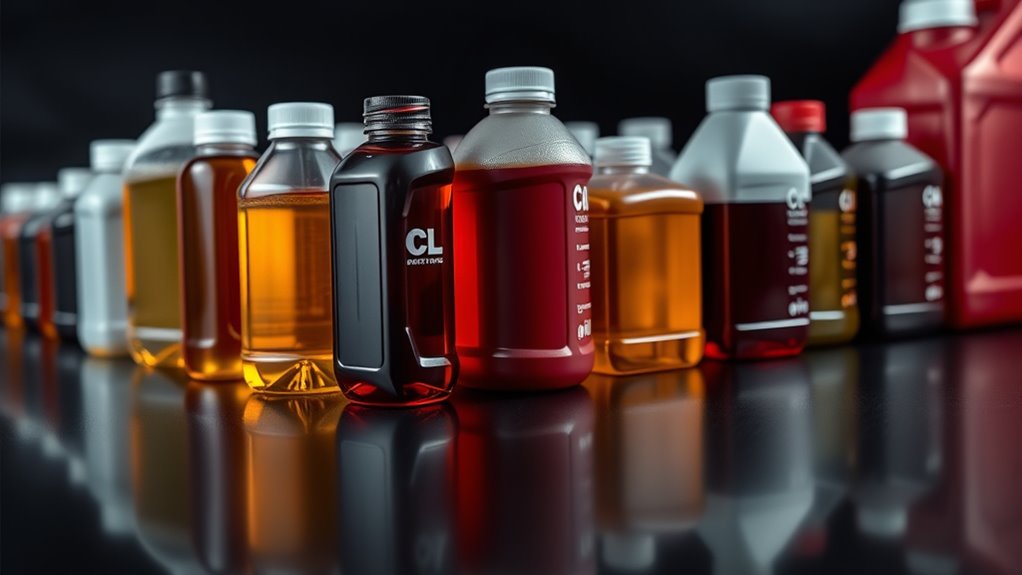
In terms of power steering fluids, you’ve got a few main options: synthetic, mineral-based, and ATF (Automatic Transmission Fluid).
Synthetic fluids offer better performance and longevity but can be pricier. Mineral-based fluids are cost-effective but require more frequent changes. ATF can work too, but you need to verify it’s compatible with your system to avoid damage.
Choosing the right fluid is essential for your vehicle’s health, and there’s more to learn about how to maintain your system efficiently.
Key Takeaways
- Synthetic Power Steering Fluids offer better performance and last longer, making them ideal for modern vehicles in different temperatures.
- Mineral-Based Fluids are affordable, provide reliable lubrication, but tend to break down faster than synthetic ones.
- ATF (Automatic Transmission Fluid) can sometimes be used as an alternative, but you need to check if it’s compatible with your vehicle to prevent damage.
- Conventional Fluids are specifically designed for older steering systems and work well when used properly.
- Compatibility and Manufacturer Specifications are very important. Using the wrong fluid can cause steering problems and even damage.
Understanding Power Steering Fluid Basics
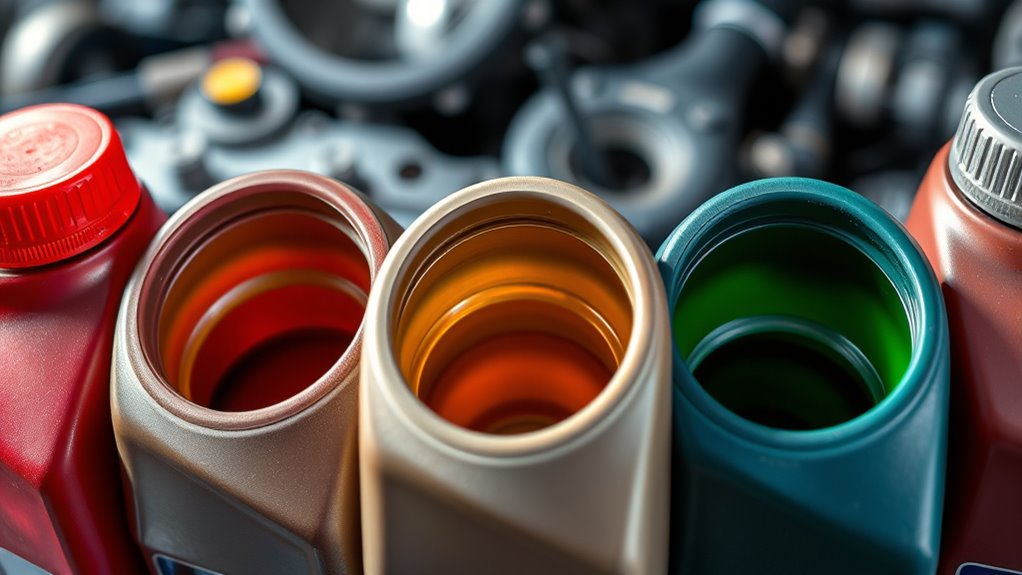
When choosing a fluid, always check for system compatibility. Your vehicle’s manual will tell you which fluid type works best for your system. Mixing incompatible fluids can cause serious problems, like reduced steering response and damage to parts.
Regularly inspecting and replacing your power steering fluid can prevent wear and tear on your components. Understanding these basics helps you extend the life of your power steering system and makes your driving smoother.
Keep these points in mind to ensure your vehicle runs efficiently. Proper maintenance not only keeps things working well but also improves your overall driving experience.
Why Choosing the Right Fluid Matters
Choosing the right power steering fluid is vital because using the wrong type can lead to big issues in your steering system. When you pick a fluid that isn’t compatible, you risk damaging seals, hoses, and the pump itself, which can get expensive to fix.
Fluid compatibility is key; each vehicle has specific needs based on its design and materials. Using the correct fluid not only prevents damage but also ensures your system performs at its best.
Plus, the right fluid helps your steering system last longer. Quality fluids keep the right viscosity and reduce wear on parts, helping everything run smoothly for years.
How to Identify the Right Fluid for Your Vehicle
How can you be sure you’re choosing the right power steering fluid for your vehicle? Start by checking your owner’s manual for the vehicle specifications. It usually details the required fluid type and confirms compatibility with your system.
Next, think about whether your vehicle has a conventional or electric power steering system, as this influences your fluid choice.
Here’s a quick reference table to help you identify common fluid types:
| Fluid Type | Description |
|---|---|
| ATF (Automatic Transmission Fluid) | Often used in older vehicles. |
| PSF (Power Steering Fluid) | Specifically designed for steering systems. |
| Synthetic Fluids | High-performance options for modern vehicles. |
Synthetic Power Steering Fluids: Pros and Cons
When you’re looking at synthetic power steering fluids, you’ll find they come with some pretty neat benefits. For instance, they tend to perform better at different temperatures, so your steering feels smoother whether it’s hot or cold. Plus, they can help reduce wear on the system, which might mean fewer repairs down the line.
That said, it’s not all sunshine and rainbows. These synthetic fluids can be more expensive than conventional options, so you’ll want to think about whether the added cost is worth it for your vehicle. Also, there might be some potential drawbacks or compatibility issues, so it’s a good idea to check your vehicle’s manual or consult with a mechanic. Getting the right fluid is all about balancing the advantages with the costs and any possible concerns.
Enhanced Performance Benefits
While many drivers overlook the importance of power steering fluid, choosing synthetic options can really boost your vehicle’s performance. These fluids provide noticeable upgrades, making steering smoother and responses sharper.
They also work well with different systems, helping to reduce the risk of damage. Switching to synthetic fluid can make a big difference in how your car handles and feels on the road.
Here are some key benefits of synthetic power steering fluids:
- Improved Lubrication: Cuts down friction for smoother operation.
- Temperature Resistance: Performs well even in extreme conditions.
- Longer Lifespan: Keeps its properties longer than conventional fluids.
- Reduced Foam Formation: Ensures consistent, reliable performance.
- Better Seal Protection: Helps seals and hoses last longer.
Making the switch can lead to better handling and an overall smoother driving experience.
Cost Considerations And Drawbacks
Switching to synthetic power steering fluids can definitely boost performance, but it’s important to consider the costs and potential downsides. Synthetic fluids usually last longer, but they come with a higher price tag.
Here’s a quick comparison to help you decide:
| Type of Fluid | Average Cost per Quart | Longevity (Miles) |
|---|---|---|
| Conventional Fluid | $5-$10 | 30,000 – 50,000 |
| Synthetic Fluid | $15-$25 | 75,000 – 100,000 |
| Semi-Synthetic Fluid | $10-$15 | 50,000 – 75,000 |
While you might save money on replacements with synthetic fluids, the upfront cost can be pretty steep. Think about your driving habits and budget before making the switch.
Mineral-Based Power Steering Fluids Explained
Mineral-based power steering fluids are important for vehicle performance, helping your steering stay smooth and responsive. They come with both benefits and drawbacks that you should know before choosing them.
Mineral-based power steering fluids enhance vehicle performance, ensuring smooth and responsive steering while presenting both advantages and disadvantages.
Cost-effective: Usually cheaper than synthetic options, making them a budget-friendly choice.
Good lubrication: They help keep steering parts moving smoothly with effective lubrication.
Stability: Work reliably across different temperatures, so they won’t easily break down in hot or cold weather.
Compatibility: Ideal for older vehicles designed to use mineral fluids, ensuring proper fit and function.
Degradation: They tend to break down faster than synthetic fluids, so you might need to change them more often.
While mineral fluids are a dependable choice for many drivers, it’s important to consider their disadvantages too. Knowing these factors will help you make the best decision for your vehicle’s power steering.
Using ATF as Power Steering Fluid: What to Know
Have you ever considered using automatic transmission fluid (ATF) as power steering fluid? Many car owners find that ATF can be an effective alternative because of its similar viscosity and properties.
However, always check your vehicle’s manual for ATF compatibility. Not all systems are designed to work with ATF, and using it in an incompatible system could cause problems.
ATF provides excellent lubrication, which can help keep your power steering system running smoothly. It also tends to have a lower operating temperature, making it a good option in some cases.
Just be cautious. Using ATF might void your warranty or damage your vehicle if it specifically needs a different type of fluid. If you’re unsure, it’s best to ask a mechanic.
In the end, ATF can work for some vehicles, but it’s important to do your research. Make sure you’re choosing the right fluid for your car’s needs.
Why You Should Care About Manufacturer-Specific Fluids
Using the right fluid is essential for maintaining your vehicle’s performance, especially regarding manufacturer-specific fluids. These fluids are formulated to meet your car’s unique requirements, ensuring compatibility and reducing the risk of damage to your steering system.
Using the correct manufacturer-specific fluids is crucial for optimal vehicle performance and protecting your steering system.
Here’s why you should care:
- Enhanced Performance: Manufacturer-specific fluids improve steering response and feel.
- Prevent Damage: Using the wrong fluid can cause wear and even system failure.
- Warranty Compliance: Many warranties require the use of specific fluids to stay valid.
- Consistent Quality: These fluids go through rigorous testing to ensure reliability and effectiveness.
- Resale Value: Proper maintenance with the right fluids helps keep your vehicle’s value intact.
Ignoring these details can lead to performance issues down the road. So, make sure you’re using the correct power steering fluid to keep your vehicle running smoothly.
Top Mistakes to Avoid When Selecting Power Steering Fluid
When you’re picking out power steering fluid, it’s really important to check what your vehicle’s manufacturer recommends. Don’t just grab any fluid off the shelf—using the wrong type can cause all sorts of problems down the road.
And hey, mixing different kinds of power steering fluid? That’s a big no-no. It can mess with your steering system and lead to costly repairs. So, to keep everything running smoothly, stick to the fluid specified by your car’s manual. Avoid these common mistakes, and your steering system will thank you!
Ignoring Manufacturer Specifications
Although it might seem tempting to choose any power steering fluid available, ignoring your vehicle’s manufacturer specifications can lead to costly mistakes. Using the wrong fluid can cause compatibility issues and speed up fluid breakdown, ultimately damaging your steering system.
To avoid these pitfalls, check your owner’s manual for the specific fluid requirements. Make sure the fluids you use meet or exceed industry standards.
Avoid generic products that lack manufacturer endorsements, as they may not be suitable for your vehicle. Be aware of viscosity ratings and understand their importance for proper function.
Finally, regularly inspect your fluid levels and condition to ensure your steering system performs at its best.
Mixing Different Fluid Types
Mixing different types of power steering fluid can cause serious problems for your vehicle’s steering system.
You might think it’s okay to top off with whatever fluid you have on hand, but that can lead to compatibility issues.
Different formulations contain unique additives and properties, and mixing them can trigger chemical reactions that damage your system.
The consequences can range from increased wear on components to complete steering failure.
To avoid these problems, always follow the manufacturer’s specifications.
If you’re unsure, check your owner’s manual or talk to a professional.
Protect your investment by using the right fluid and keeping your vehicle running smoothly and safely.
Tips for Maintaining Your Power Steering System
To keep your power steering system running smoothly, regular maintenance is essential. Staying proactive can help you avoid costly repairs and ensure a comfortable driving experience.
Here are some tips for effective power steering maintenance:
- Check fluid levels: Regularly look at the fluid reservoir to make sure it’s filled to the recommended level.
- Inspect for leaks: Keep an eye out for any signs of fluid leaks around hoses and connections.
- Clean the reservoir: Occasionally clean the fluid reservoir to prevent contamination.
- Replace old fluid: Change the power steering fluid as recommended in your vehicle’s manual to keep things running smoothly.
- Listen for noises: Pay attention to any unusual sounds when turning the steering wheel, as these could indicate issues.
When Should You Use Synthetic Fluid?
If you’re thinking about upgrading your power steering fluid, synthetic options can offer some big advantages. First, consider the environment you drive in. If you often face extreme temperatures or heavy traffic, synthetic fluid helps by resisting breakdown and keeping things running smoothly.
You might also want to switch to synthetic if your vehicle has high mileage. Its better lubrication can reduce wear and tear, helping your power steering system last longer.
Another reason to choose synthetic fluid is its longevity. Unlike regular fluids, synthetics last longer between changes, saving you time and money over time.
If you want reliable performance and durability, synthetic power steering fluid could be the right choice. Just be sure to check your vehicle’s manual or talk to a professional to find the best option for your car.
Frequently Asked Questions
Can I Mix Different Types of Power Steering Fluids?
You shouldn’t mix different types of power steering fluids. Each type has its own specific properties and additives that can affect how well the fluid works.
Mixing them can lead to reduced performance or even damage to your steering system. It’s best to stick with what the manufacturer recommends for your vehicle.
If you’re unsure, check your owner’s manual or ask a professional. Keeping your power steering fluid consistent helps ensure your steering system stays in top shape and lasts longer.
How Often Should I Change My Power Steering Fluid?
You should change your power steering fluid every two years or around 50,000 miles, but don’t wait too long. Neglecting this can lead to costly repairs.
Imagine steering your car and feeling that dreaded stiffness. It’s not just annoying; it could be a sign of trouble.
Regular power steering maintenance keeps your system running smoothly, so you stay in control on the road.
Stay ahead of issues by sticking to that schedule!
What Are the Signs of Low Power Steering Fluid?
If you notice your steering feels heavy or unresponsive, that’s a sign of low power steering fluid.
You might also hear unusual steering noises, like whining or groaning, especially when turning.
Check for leaking fluid under your vehicle; a puddle of reddish-brown fluid could be a problem.
Don’t ignore these signs—addressing low fluid levels early can prevent further damage to your steering system and improve your driving experience.
Is Power Steering Fluid Toxic or Hazardous?
Power steering fluid isn’t exactly the friendliest substance. While it contains some components that can be deemed toxic, it’s generally safe if you handle it properly.
You should always take safety precautions, like wearing gloves and goggles when dealing with it. If you accidentally spill some, clean it up right away.
Just remember, keeping your hands clean and your workspace tidy goes a long way in avoiding any potential hazards.
Can I Use Power Steering Fluid in Hydraulic Brakes?
No, you shouldn’t use power steering fluid in hydraulic brake systems. The two fluids aren’t compatible, and using power steering fluid can cause serious damage to your brakes.
Brake systems require specific brake fluid to guarantee proper function and safety. Always check your vehicle’s manual to find the right fluid for your hydraulic brake system.
Stick with the recommended fluids to keep everything running smoothly and safely.
Conclusion
Choosing the right power steering fluid isn’t just a technicality; it’s like giving your vehicle a gentle hug.
Understanding the different types and their unique benefits helps you protect your steering system and enjoy a smoother ride.
There are several types of power steering fluids, each designed for specific vehicle needs.
Using the correct one ensures optimal performance and longevity of your steering components.
By selecting the proper power steering fluid, you’re helping your car steer effortlessly.
It’s like giving your vehicle the best care possible, making every drive more comfortable.
So, take a moment to choose wisely.
Your car deserves the best power steering fluid for a smooth, easy ride.