7 Simple Steps to Flush Power Steering Fluid
Many drivers find themselves frustrated with stiff or squeaky steering, especially when their power steering fluid isn’t doing its job properly. You’re not alone—keeping that fluid fresh can make a huge difference in how smoothly your vehicle handles.
To flush your power steering fluid, start by locating the reservoir. Then, safely remove the old fluid using a pump or baster. Choose the correct fluid type from your owner’s manual and carefully add it.
Run the engine, turning the wheel side to side to circulate the new fluid. Check for leaks and top off if needed.
Flushing is essential for smooth steering. If you face ongoing issues, there’s more to investigate about troubleshooting and maintenance.
Key Takeaways
- Locate the power steering fluid reservoir and check the current fluid level before starting the flush process.
- Safely remove old fluid using a turkey baster or siphon, making sure to use a clean container for collecting the fluid.
- Add new power steering fluid into the reservoir, following your owner’s manual to choose the correct type.
- Start the engine, turn the steering wheel from lock to lock, and listen for any unusual noises or air pockets.
- Check for leaks and top off the fluid as needed, then finish up with a short test drive.
Step 1: Locate the Power Steering Fluid Reservoir
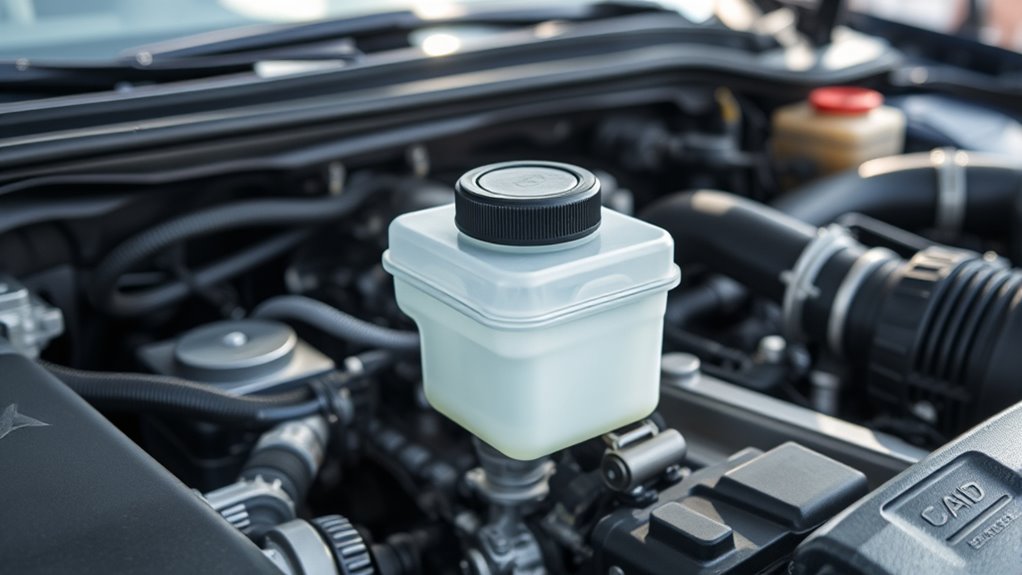
To start, the first thing you want to do is find the power steering fluid reservoir. It’s usually near the engine and often marked with a steering wheel icon or the words “power steering.”
Open the hood and look for a small, cylindrical container. It’s typically clear or translucent so you can see the fluid level inside.
Knowing where the reservoir is helps you keep an eye on the fluid and prevent steering problems later on.
Identifying the reservoir allows you to monitor fluid levels and avoid steering issues down the road.
If you notice the fluid is low, it’s a sign you need to top it up soon. Checking the reservoir regularly keeps your steering smooth and extends the life of your power steering system.
Take a moment to get familiar with this part. It’ll make future maintenance much easier.
Step 2: Safely Remove Old Power Steering Fluid
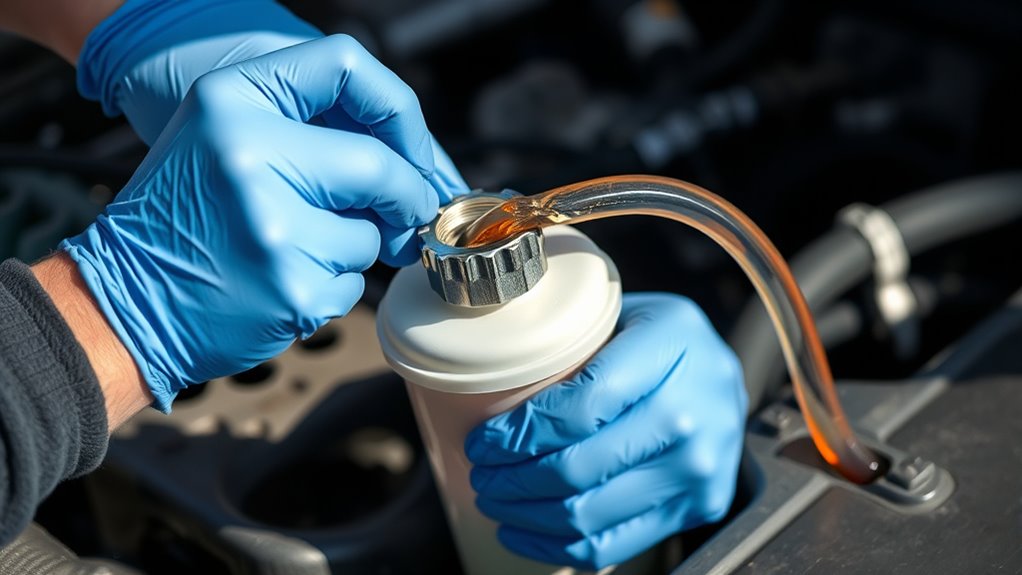
Now that you’ve found the power steering fluid reservoir, it’s time to get rid of the old fluid safely. Grab some tools like a turkey baster or a siphon—it’ll make the job way easier. Just a heads up, make sure you have a plan for disposing of the old fluid properly so you’re not harming the environment.
Tools Required For Removal
Gathering the right tools is essential for safely removing old power steering fluid. You’ll need a fluid extraction pump, which makes it easy to suck out the old fluid without spilling.
A set of wrenches will help you disconnect any hoses, and a clean container is important for collecting the old fluid. Make sure you have the correct fluid types on hand for refilling, since using the wrong one can damage your system.
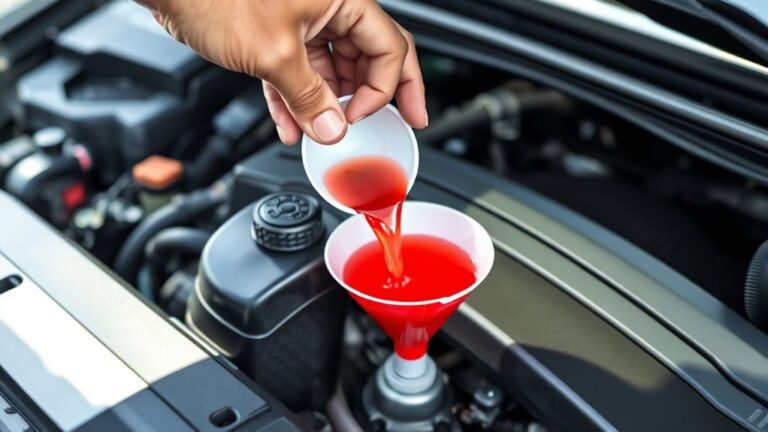
A funnel will make pouring the new fluid back in much easier. Finally, gloves and safety glasses are a must for protection.
Regular maintenance, including fluid changes, keeps your power steering system running smoothly. Being prepared with the right tools makes the job much simpler.
Disposal Of Old Fluid
Safely disposing of old power steering fluid is important to protect the environment and follow local laws. Improper disposal can cause harm, so handling it responsibly is crucial.
Here are some recycling options to consider:
- Local Recycling Centers: See if there are centers nearby that accept automotive fluids.
- Automotive Shops: Many shops will take your used fluid for proper disposal or recycling, often for free.
- Hazardous Waste Events: Join local hazardous waste collection events to drop off your fluid safely.
Step 3: Choose and Add the Correct Power Steering Fluid
Choosing the right power steering fluid is key for your vehicle’s performance. Start by checking your owner’s manual to see which fluid types are recommended for your car.
Mixing different fluids can cause serious problems, so make sure you verify compatibility before buying anything. Once you know what’s compatible, gather the correct fluid.
You’ll usually find options like ATF, mineral-based, or synthetic fluids, depending on your vehicle. Pick a product that meets or exceeds your manual’s specifications.
Before adding the fluid, check that the system is clean and ready to receive it. Pour the new fluid into the reservoir carefully, avoiding spills.
This step helps keep your steering smooth and extends the life of your power steering system. With the right fluid in place, your ride will feel even better.
Step 4: Run the Engine and Turn the Steering Wheel
Now that you’ve topped up with the right power steering fluid, it’s a good idea to start the engine. Let it run for a few minutes and keep it idling. While you’re at it, turn the steering wheel all the way from one lock to the other. This little trick helps spread the new fluid throughout the system, so everything runs smoothly and you don’t run into any issues down the road.
Engine Idle Duration
To effectively flush your power steering fluid, you’ll need to run the engine and turn the steering wheel. This step is essential for maintaining engine performance and ensuring idle stability. Here’s how to do it right:
- Start the engine and let it idle for about 5 minutes. This warms up the fluid and helps it circulate.
- While idling, make sure the steering wheel is at the center position. This helps distribute the fluid evenly.
- Gradually turn the steering wheel from lock to lock a few times, but don’t hold it at the ends. This ensures the new fluid mixes well without putting strain on the system.
Doing this will help remove old fluid and improve your steering system’s efficiency.
Steering Wheel Movement
Engage the steering wheel by turning it from lock to lock while the engine runs. This helps spread the new power steering fluid throughout the system, making your steering more responsive.
As you turn the wheel, listen for any unusual noises. These could be signs of air pockets or problems with the steering parts. Make sure everything is smooth and quiet.
After several turns, check the fluid level and add more if needed. This refreshes the fluid and gets rid of contaminants that might cause issues.
Fluid Circulation Importance
Flushing power steering fluid effectively depends on proper fluid circulation. When you start the engine and turn the steering wheel, you’re helping the new fluid flow through the system, which improves both fluid maintenance and steering performance. Here’s how to do it:
- Start the engine and let it idle for a few minutes to allow the pump to circulate the fluid.
- Slowly turn the steering wheel from lock to lock to dislodge any remaining old fluid.
- Keep an eye on the fluid level and add more as needed to keep it at the right level.
This step is important because it helps flush out contaminants and ensures your power steering system runs smoothly, giving you better control and responsiveness while driving.
Step 5: Check for Leaks and Top Off
After finishing the fluid replacement, it’s important to check for leaks and top off the power steering fluid if needed. Start with a visual inspection of the hoses, connections, and reservoir for any signs of leakage.
If you see fluid pooling or dampness, that’s a red flag. Detecting leaks early is crucial because even small leaks can cause bigger problems later on.
Next, check the fluid level in the reservoir. If it’s below the recommended mark, add the right type of power steering fluid to keep everything working smoothly.
Maintaining the proper fluid level helps your system last longer and ensures a better driving experience.
After topping off, take your vehicle for a short drive. This helps circulate the new fluid and makes it easier to spot any leaks. Regular maintenance like this will keep your steering system running smoothly.
Why Flushing Power Steering Fluid Is Important
While it might seem like a small thing, flushing your power steering fluid is really important for keeping your steering system in good shape. If you ignore this, you might run into bigger problems later on.
First, it helps prevent fluid contamination. Over time, the fluid can get dirty and full of impurities, which can cause issues. Flushing clears out these contaminants and keeps everything running smoothly.
Second, fresh fluid makes your steering more responsive. It improves how your vehicle responds when you turn the wheel, making driving more comfortable and precise.
Finally, regular maintenance like this can extend the lifespan of your power steering system. It helps prevent wear and tear on the parts, saving you money on repairs down the line.
What to Do If You Still Experience Steering Issues?
Sometimes, even after flushing your power steering fluid, you might still face steering issues. If you notice unusual steering noise or decreased responsiveness, it’s important to investigate further.
Start by checking the power steering pump for leaks or damage. A faulty pump can cause poor fluid circulation, leading to those annoying noises and sluggish steering.
Next, inspect the steering rack and hoses for any signs of wear or leaks. If you find issues, replacing these parts might be necessary. Also, make sure your steering system is properly bled of air, as trapped air can affect performance.
If the problem persists after these checks, it’s a good idea to consult a professional mechanic. They can diagnose the issue accurately and recommend the right repairs. Don’t ignore these signs—they could point to more serious underlying problems.
Frequently Asked Questions
How Often Should I Flush My Power Steering Fluid?
You should flush your power steering fluid every two to three years or according to your vehicle’s fluid replacement schedule.
Regular power steering maintenance helps ensure smooth steering and extends the life of the system.
If you notice any unusual noises or difficulty steering, it might be time to flush the fluid sooner.
Keeping up with this maintenance helps your vehicle run efficiently and can save you from costly repairs later on.
Can I Use Any Type of Power Steering Fluid?
You can’t just use any type of power steering fluid; fluid compatibility is essential. Each vehicle has specific fluid types recommended by the manufacturer.
Using the wrong fluid can lead to poor performance or even damage your steering system. Always check your owner’s manual or ask a professional to make sure you’re using the right fluid for your car.
This way, you’ll keep your power steering system running smoothly and efficiently.
What Tools Do I Need for This Process?
For power steering maintenance, you’ll need a few essential tools. Start with a wrench to remove the reservoir cap and a siphon pump for fluid extraction.
Have a funnel ready for pouring new fluid and a container for the old fluid. You might also want a turkey baster for precise fluid replacement methods.
Finally, keep a pair of gloves handy to keep your hands clean during the process.
Is It Safe to Flush Power Steering Fluid Myself?
Flushing power steering fluid yourself can be safe if you take the right precautions. Just like you wouldn’t jump into a pool without checking the depth, make sure you understand the safety measures involved.
Use gloves, wear safety goggles, and work in a well-ventilated area. As long as you’re careful and follow the proper steps, you can handle it without any issues.
Stay focused, and you’ll be fine!
What Are the Signs of Old or Contaminated Fluid?
You’ll notice several signs of old or contaminated power steering fluid. Look for fluid discoloration; fresh fluid is usually clear and reddish, while old fluid can appear dark or cloudy.
You might also experience power steering issues like difficulty turning the wheel, whining noises, or a shaky steering response.
If you notice any of these signs, it’s time to check your fluid and consider a flush for peak performance.
Conclusion
Flushing your power steering fluid isn’t just a chore; it’s an essential step to keep your steering smooth and responsive. Imagine gliding effortlessly around corners instead of wrestling with your wheel!
By following these simple steps, you not only improve your vehicle’s performance but also extend its lifespan. So, why wait?
Immerse yourself in this maintenance task and give your car the care it deserves. Your future self will thank you for flushing your power steering fluid regularly.