10 Steps to Check Power Steering Fluid Like a Pro
Many drivers find checking power steering fluid confusing or intimidating, but it’s actually a simple task you can do yourself. You’re not alone if it feels tricky at first — many people struggle with knowing when and how to check it properly.
To check your power steering fluid like a pro, start by gathering a clean cloth, a funnel, and the right fluid type. Locate the reservoir, wipe the dipstick, and check the fluid color and level.
Good fluid is clear and slippery, while darker, gritty fluid signals contamination. Listen for unusual noises or stiff steering. Make it a habit to inspect monthly.
Following these steps guarantees a safe ride, and there’s more to learn to keep your system running smoothly.
Key Takeaways
- Gather your tools first: a clean cloth, funnel, flashlight, and your vehicle manual. It’s good to have these ready before you start checking the fluid.
- Find the power steering reservoir, making sure it’s clearly labeled so you don’t get confused.
- Wipe the dipstick clean before checking the fluid level, and follow your vehicle manual for the correct measurement.
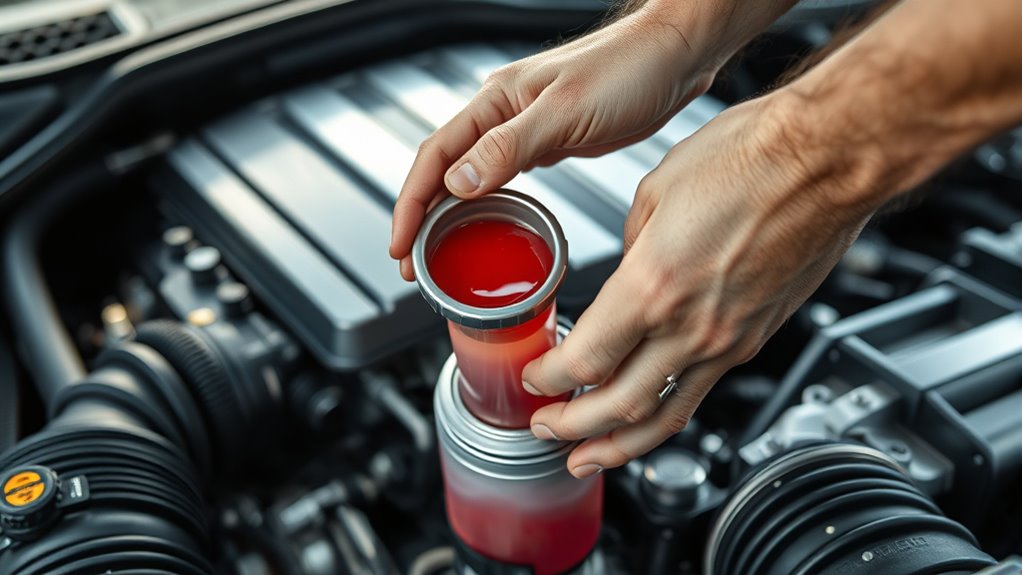
- Check the fluid’s condition—fresh fluid should be clear with a golden tint. If it’s dark or gritty, that’s a sign of contamination.
- Make it a habit to check the fluid level regularly and inspect hoses and belts for any signs of wear to keep your steering running smoothly.
How Checking Power Steering Fluid Impacts Vehicle Safety
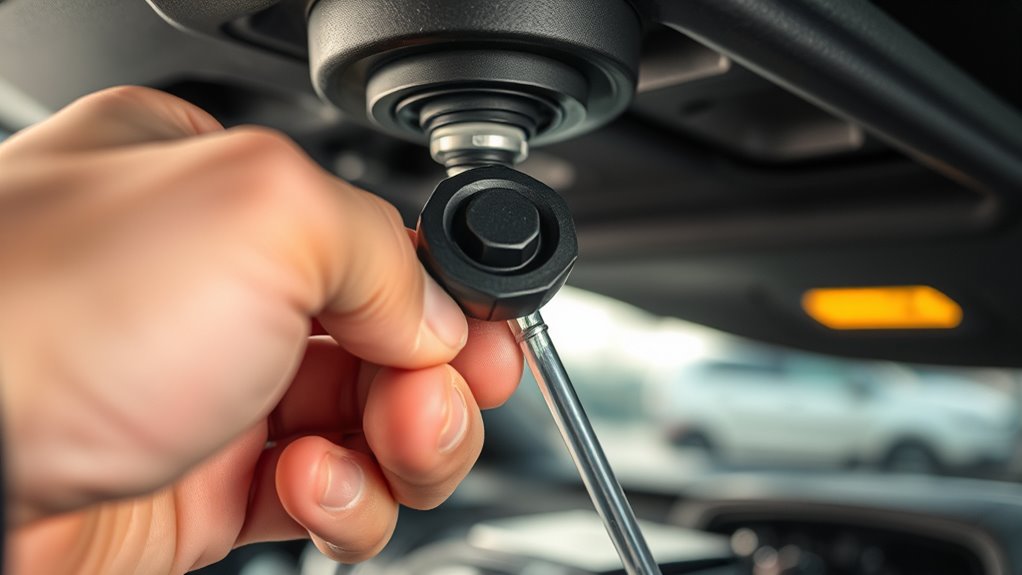
When you neglect to check your power steering fluid, you might be putting your vehicle’s safety at risk. Power steering fluid plays an essential role in guaranteeing smooth steering and overall vehicle performance. If the fluid level is low, you could experience difficulty steering, especially in tight spots or during emergency maneuvers.
This can compromise your ability to react swiftly, which is critical for maintaining control over your vehicle. The power steering system is linked to various safety features in your car. If it fails due to insufficient fluid, other components may also be affected, leading to further safety issues.
Regularly checking your power steering fluid confirms that these systems operate correctly, keeping your driving experience safe and reliable. Prioritizing this simple maintenance task can prevent costly repairs and improve your vehicle’s overall performance, making sure you stay safe on the road.
What You Need to Get Started
Before you start checking your power steering fluid, gather a few tools to make things easier. First, grab a clean cloth or rag to wipe the dipstick or reservoir cap. This helps prevent any dirt or debris from getting into the system.
Before checking your power steering fluid, have a clean cloth handy to keep the system free from dirt and debris.
A funnel can be really helpful if you need to add fluid, as it cuts down on spills. Make sure you’ve got the right type of power steering fluid for your vehicle, since using the wrong kind can cause damage.
Having a flashlight is a good idea, especially if your reservoir is tucked away or hard to see into. Lastly, keep your vehicle’s manual nearby for specific instructions or fluid specs.
Doing these prep steps will set you up for success and help you check and top off your power steering fluid like a pro.
Finding the Right Location for Your Vehicle
Finding a suitable spot for your vehicle is important for checking the power steering fluid effectively. Choose a flat, level surface to guarantee accurate readings. Avoid slopes or uneven ground, as these can affect fluid levels.
A garage or driveway works well, but make sure it’s well-lit so you can see everything clearly during your vehicle maintenance.
Here’s a quick reference table to help you pick the right spot:
| Location Type | Pros | Cons |
|---|---|---|
| Garage | Controlled light | Limited space |
| Driveway | Easy access | Possible slope |
| Parking Lot | Ample space | Potential distractions |
Once you’ve found the right power steering location, you’ll be ready to check the fluid. This simple step can save you headaches down the road and keep your steering system running smoothly.
How to Identify Good vs. Bad Power Steering Fluid
Identifying good versus bad power steering fluid is key to keeping your steering system working smoothly.
Start by checking the fluid color. Fresh power steering fluid is usually clear with a golden hue.
If it looks dark brown or black, that’s a sign it might be contaminated or overheating.
Next, feel the fluid’s consistency. Good fluid should be smooth and slippery, but if it feels gritty or sticky, debris or oxidation could be present.
If you notice a burnt smell, that’s another warning sign that the fluid isn’t doing its job anymore.
Regularly inspecting these signs can help you catch issues early before they become bigger problems.
Remember, keeping your power steering fluid in good shape means easier steering and a longer-lasting system.
Trust your instincts—if something feels off, it’s time to check or replace the fluid.
Checking Fluid Levels: How to Do It Right
Checking your power steering fluid levels is key to keeping your steering smooth and responsive. First, find the reservoir—it’s usually topped with a cap labeled for power steering.
Wipe the dipstick clean, then reinsert it to check the fluid level. Use the measurement instructions in your vehicle’s manual to make sure you’re accurate.
Look at the fluid color—ideally, it should be clear or slightly amber. If it’s dark or has particles, it’s time to change it.
Here’s a quick table to help you decide what to do:
| Fluid Color | Action Needed |
|---|---|
| Clear/Amber | No action needed |
| Dark/Brown | Replace the fluid |
| Milky/Cloudy | Replace and check for leaks |
| Particles | Replace and inspect system |
Following these simple steps will help keep your steering easy and responsive.
Which Power Steering Fluid Should You Use?
After making sure your power steering fluid is at the right level, the next step is figuring out which type to use. Different vehicles need specific power steering fluids, and using the wrong one can cause serious problems.
Always check your owner’s manual for the recommended fluid. You’ll usually find options like ATF (automatic transmission fluid) or dedicated power steering fluids.
Make sure your choice is compatible with your system because fluid compatibility is key for good performance. If you’re unsure, ask a professional or visit a trusted parts store.
They can help you find the right fluid based on your vehicle’s make and model.
When to Add More Power Steering Fluid?
When should you consider adding more power steering fluid? It’s important to keep an eye on your power steering system to ensure smooth handling. If your steering feels stiff or unresponsive, it’s probably time to check the fluid level.
Also, look for signs like dark, gritty fluid or floating debris. These usually mean the fluid has deteriorated, and catching it early can help prevent bigger problems.
Here’s a quick reference table to help you decide when to add more fluid:
| Condition | Action Needed | Notes |
|---|---|---|
| Low fluid level | Add power steering fluid | Check your owner’s manual |
| Dark or gritty fluid | Replace the fluid | Indicates contamination |
| Unresponsive steering | Inspect for leaks | Could be a system failure |
| Whining noise | Check fluid level | You might need a top-up |
| Bubbles in fluid | Replace the fluid | Air might be trapped |
Stay proactive, and your steering will thank you!
How to Spot Power Steering Problems Early?
If you start hearing weird noises when you turn your steering wheel, that’s a good sign you should check things out. It could be something simple, but it might also point to a bigger issue if left untreated.
And if turning feels a lot stiffer than it used to, don’t just brush it off. That stiffness might mean your power steering system isn’t working properly.
Paying attention to these signs early on can really save you a lot of trouble and money later. So, it’s always a good idea to stay alert to how your steering feels and sounds.
Unusual Noises While Turning
As you turn your vehicle, strange noises like whining, squealing, or grinding can be a sign of power steering problems. These sounds usually mean your power steering fluid might be contaminated or running low.
If you notice these noises, don’t ignore them. They can lead to bigger issues if left unchecked. Safely pull over and check your power steering fluid level and condition.
If the fluid looks dark or gritty, it’s probably time for a change. Catching these problems early can save you from costly repairs later. Trust your instincts—your car’s health depends on it!
Steering Wheel Resistance
Unusual noises while turning can often signal underlying power steering issues, but steering wheel resistance is another red flag to watch for. If your steering feels stiff or requires extra effort, it’s time to investigate.
This could mean fluid contamination or low power steering fluid levels. When the fluid is clean and at the right level, your steering should feel smooth and responsive.
If you’re experiencing resistance, check for leaks or damaged hoses that might affect fluid quality. Ignoring these signs can lead to more serious problems down the line.
Regularly checking your power steering fluid and noticing any changes in steering feel can help you avoid costly repairs and keep your vehicle handling safely.
Tips for Maintaining Your Power Steering System
To keep your power steering system running smoothly, it’s a good idea to check the fluid regularly. Just a quick peek every few months can help catch any issues early on.
Also, don’t forget to take a look at the hoses and belts every now and then. If you notice any leaks or signs of wear, it’s best to get them looked at sooner rather than later. Staying on top of these simple checks can really save you from some costly repairs down the line.
Regular Fluid Checks
Regularly checking your power steering fluid is key to keeping your drive smooth and trouble-free. Make fluid maintenance a priority by adding routine inspections to your car care routine.
Try to check the fluid level at least once a month or before long trips. To do this, find the reservoir, wipe the dipstick clean, and look at the fluid level against the markings.
If it’s low, top it off with the recommended fluid type. Also, check for any discoloration or debris in the fluid, as these can signal issues.
Inspect Hoses And Belts
After checking your power steering fluid, it’s important to inspect the hoses and belts that support the system. Keeping an eye on these parts helps ensure smooth steering and can save you from costly repairs.
Start by looking for leaks on the hoses. Check for any signs of fluid leaks or cracks that could indicate a problem. Next, verify that all hose connections are tight and secure to prevent any leaks.
Then, examine the belts for wear. Look for fraying, cracking, or signs of stretching, which can affect performance. Also, make sure the belts are properly tensioned—not too loose or too tight.
Regularly inspecting these components will help keep your power steering system in good shape. Don’t skip this vital step to keep your vehicle running smoothly.
How to Keep Your Power Steering System Healthy
Maintaining your power steering system is important for smooth driving and good vehicle performance. Regularly check the power steering fluid level and top it off when needed.
Be on the lookout for fluid contamination; dirty or discolored fluid can be a sign of trouble. If you hear strange noises when turning the wheel, don’t ignore it—it could mean a leak or low fluid.
Check hoses for cracks or wear, as damaged hoses can cause leaks and reduce efficiency. Keep the reservoir cap tight to prevent dirt or moisture from getting in.
If you find any leaks, address them quickly to avoid further damage. Lastly, consider flushing the system every few years to keep it clean and working well. Following these tips will help your power steering stay healthy for years.
Frequently Asked Questions
Can I Use Any Fluid for My Power Steering System?
No, you can’t just use any fluid for your power steering system. Different types need specific fluids to work properly.
Using the wrong fluid can cause compatibility issues and even damage your system. Always check your vehicle’s owner manual to see what fluid is recommended.
How Often Should I Check My Power Steering Fluid?
Think of your power steering fluid as the lifeblood of your vehicle, coursing through its veins.
You should check it every few months or whenever you notice any fluid level indicators dropping.
This simple power steering maintenance guarantees smooth steering and prevents costly repairs.
Keep an eye out for changes in responsiveness, and don’t hesitate to top it off if it’s low.
Regular checks can keep your ride gliding effortlessly.
What Tools Do I Need to Check Power Steering Fluid?
You’ll need a few essential tools to check your power steering fluid. First, grab a clean cloth or paper towel to wipe the dipstick.
If your vehicle has a power steering reservoir cap, make sure you have a funnel handy for easy refills. Check the fluid level indicators on the reservoir to verify it’s at the recommended level.
Having these tools ready makes the process straightforward and efficient.
Is It Safe to Drive With Low Power Steering Fluid?
Driving with low power steering fluid isn’t safe. You might notice power steering symptoms like difficulty turning or a whining noise.
Imagine struggling to steer your car, especially in tight spots or during sudden stops. It’s essential to address this issue promptly.
If you’ve got low fluid, consider topping it off or replacing it. Always follow fluid replacement tips to avoid potential damage.
Keep your steering smooth and safe by checking your fluid regularly.
How Do I Dispose of Old Power Steering Fluid?
To dispose of old power steering fluid, take it to a local recycling center that accepts automotive fluids. Many auto parts stores also recycle it, making it easy and environmentally friendly.
Never pour it down the drain or throw it in the trash, as it can harm the environment. By recycling the fluid, you guarantee it’s handled safely and can be processed for reuse.
This way, harmful substances stay out of landfills and our water supply. It’s a simple step to help protect the planet while properly disposing of your old fluid.
Conclusion
Now that you know how to check your power steering fluid like a pro, imagine the peace of mind you’ll feel driving with confidence.
But what if you skip this simple step? A small oversight could lead to bigger problems down the road, leaving you stranded when you least expect it.
Don’t let that happen. Stay proactive, keep an eye on your power steering fluid, and your steering system will thank you with smooth, safe rides for years to come.