5 Simple Steps to Check Your Power Steering Fluid
Many drivers find checking their power steering fluid a bit intimidating or confusing, especially if they’re not familiar with car maintenance. You’re not alone—lots of people struggle with knowing when and how to do it right.
But keeping an eye on this fluid is key to ensuring your steering feels smooth and responsive.
To check your power steering fluid, start by popping the hood and locating the translucent reservoir, usually near the driver’s side.
Make sure the engine’s off and cool before removing the cap; twist it counterclockwise to open.
Check the fluid level against the markings, ensuring it’s bright and clear.
If it’s low or contaminated, look for leaks and consider replacing the fluid.
Curious about the next steps for maintenance? There’s more to investigate!
Key Takeaways
- Make sure the engine is off and cool before you start to avoid burns or injuries.
- Find the power steering fluid reservoir, usually a see-through container near the driver’s side.
- Check the fluid level against the min and max marks on the dipstick.
- Look at the fluid’s color—clear or amber is normal; murky fluid means contamination.
- If the level is low or the fluid looks bad, fix leaks, replace old fluid, and add the recommended type from the manufacturer.
Why Checking Power Steering Fluid Is Important
Checking your power steering fluid is important for keeping your vehicle running smoothly, especially when it comes to steering. When the fluid is at the right level, your steering feels more responsive and easier to handle.
If you forget to check it, you might notice stiffness in the steering wheel or strange noises when turning. Low fluid can make steering harder and more tiring, which is no fun for anyone.
Dirty or contaminated fluid can also damage the power steering pump, leading to costly repairs later on. Regular checks help keep everything working properly and can prevent bigger issues down the line.
How to Locate Your Power Steering Fluid Reservoir
Locating your power steering fluid reservoir is pretty easy and can save you some hassle.
Start by popping the hood of your vehicle and making sure it’s securely held open. Look for the reservoir, which might look different depending on your car.
Pop the hood and ensure it’s securely open. Then, locate the power steering fluid reservoir, which varies by vehicle.
Usually, it’s a translucent plastic container that’s easy to see. You’ll often find it near the engine, typically close to the driver’s side.
Find the cap labeled “Power Steering” or with an icon of a steering wheel. The fluid inside is usually clear, amber, or pinkish. If it looks dark or murky, that could mean there’s a problem.
Once you’ve found the reservoir, you’re ready to check the fluid level. Knowing where it is makes maintenance easier and helps keep your steering system in good shape.
Safely Remove the Power Steering Fluid Reservoir Cap
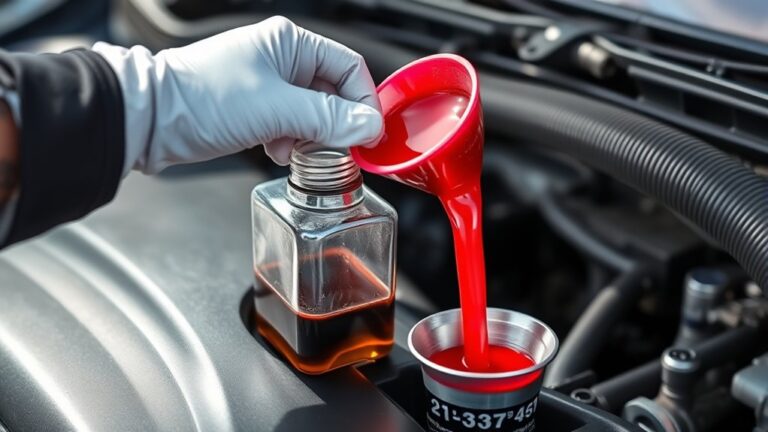
Before you start checking the fluid, you need to safely remove the power steering fluid reservoir cap. Make sure your engine is off and cool to avoid burns or accidents. It’s also a good idea to wear gloves to protect your hands from any spills.
Next, locate the reservoir cap, which is usually labeled for easy identification. To remove it, grip it firmly and twist counterclockwise. If it feels stuck, don’t force it. Instead, check for any debris or buildup around the cap that might be causing the issue.
Carefully wipe the area with a clean cloth before trying again. Once the cap’s off, take a moment to inspect it for any signs of damage. Always keep in mind the safety precautions you’ve taken—that keeps you and your vehicle safe during the process.
How to Check the Level and Condition of Power Steering Fluid
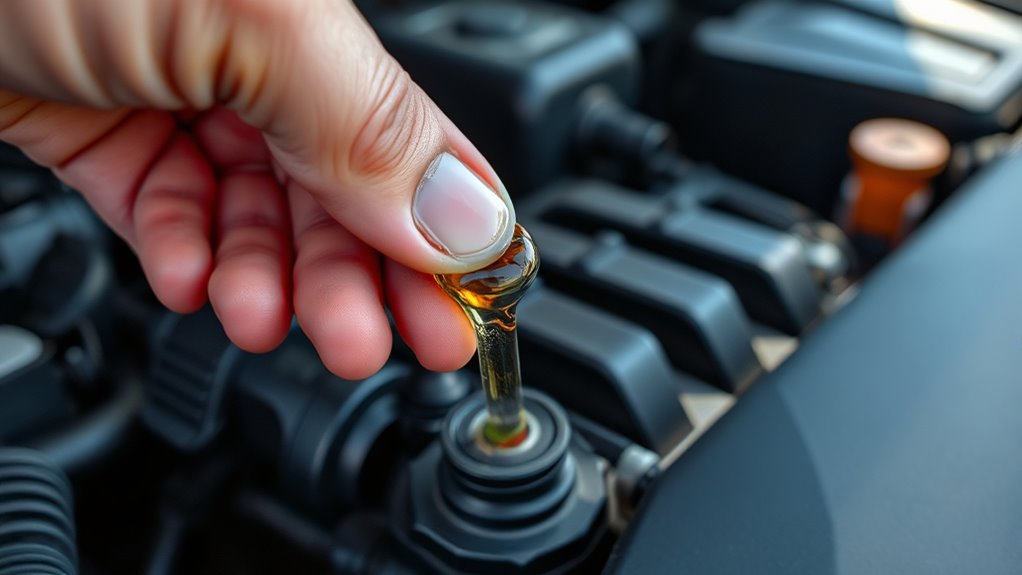
Inspect the power steering fluid’s level and condition to make sure your steering system runs smoothly. Start by locating your reservoir; it usually has a dipstick or markings showing the ideal fluid levels. Check the fluid types compatible with your vehicle, since using the wrong one can cause problems.
Here are some tips to keep in mind while checking: Look for a bright, clear color; murky or dark fluid signals trouble. Feel for any grit or particles, which indicate contamination. Check for a burnt smell, a sign of overheating fluid. Verify the level is between the minimum and maximum marks on the dipstick.
Regularly checking your power steering fluid improves performance and helps your vehicle last longer. These simple steps can save you from costly repairs down the road.
What to Do If Your Power Steering Fluid Is Low or Contaminated?
If you find that your power steering fluid is low or contaminated, it’s important to act quickly to prevent damage to your steering system. First, check for leaks; if you see any, address them immediately.
Next, you’ll need to perform a fluid replacement. Drain the old fluid and replace it with fresh, manufacturer-recommended fluid. This helps reduce contamination effects that can strain your power steering pump and lead to costly repairs.
Perform a fluid replacement by draining the old fluid and adding fresh, manufacturer-recommended fluid to prevent costly repairs.
After replacing the fluid, check the system for proper operation. Turn your steering wheel from lock to lock while the engine is running to make sure the new fluid circulates fully.
If the fluid becomes contaminated again quickly, you might need to investigate further for underlying issues. Keeping an eye on the fluid level regularly can help you catch problems early and maintain peak steering performance.
Frequently Asked Questions
How Often Should I Check My Power Steering Fluid?
You should check your power steering fluid every few months or whenever you notice changes in steering performance. Regular fluid checks help prevent issues like stiffness or noise while turning.
If you’re planning a long trip, it’s a good idea to do a quick check before hitting the road. Keeping an eye on the fluid level makes sure your steering system runs smoothly.
This simple task helps you maintain control and stay safe while driving. Don’t skip it—regular maintenance is key to avoiding more serious problems down the line.
Can I Use Any Fluid for My Power Steering?
No, you can’t just use any fluid for your power steering. Think of it like choosing the right potion for a magical brew; it needs to match your vehicle’s specifications.
Using the wrong fluid can lead to a slippery slope of issues, from poor steering response to severe damage. Always check your owner’s manual for fluid compatibility to keep your ride smooth and responsive.
Avoid any unwelcome surprises down the road by sticking to the recommended fluid. It’s the best way to ensure your power steering works properly and lasts longer.
What Causes Power Steering Fluid to Become Contaminated?
Power steering fluid can become contaminated for a few reasons. Dirt and debris can get into the system, especially if seals are worn out or the reservoir is damaged.
Overheating can also break down the fluid, which causes sludge to form. Neglecting regular maintenance makes things worse because old fluid loses effectiveness and attracts contaminants.
To keep everything running smoothly, it’s a good idea to check and replace your fluid regularly. This helps prevent problems and extends the life of your power steering system.
Is It Safe to Drive With Low Power Steering Fluid?
No, it’s not safe to drive with low power steering fluid. When your fluid levels are low, you’ll notice your steering becomes less responsive, making it harder to control your vehicle.
Ignoring this can lead to more serious issues and costly repairs down the line. Always check your fluid levels and consider topping it up if it’s low.
Keeping your power steering system well-maintained helps ensure safe and smooth driving.
How Do I Know if My Power Steering System Is Leaking?
You’ll know your power steering system is leaking if you see fluid puddles under your vehicle or hear whining noises when turning. Don’t ignore it as a small issue; low fluid levels can cause bigger problems down the road.
Make a habit of checking the reservoir regularly for signs of fluid loss. If the fluid looks dark or has a burnt smell, it’s a good sign there’s a leak.
Catching leaks early can save you from costly repairs later. So, keep an eye out and address any issues as soon as you notice them.
Conclusion
Checking your power steering fluid isn’t just a chore; it’s essential for your vehicle’s performance. Did you know that about 30% of steering problems come from low or contaminated fluid?
By following these simple steps, you can keep your steering smooth and responsive. It’s a quick task that can make a big difference on the road.
Next time you drive, take a moment to check that fluid level. Staying on top of your power steering fluid can help avoid costly repairs later.