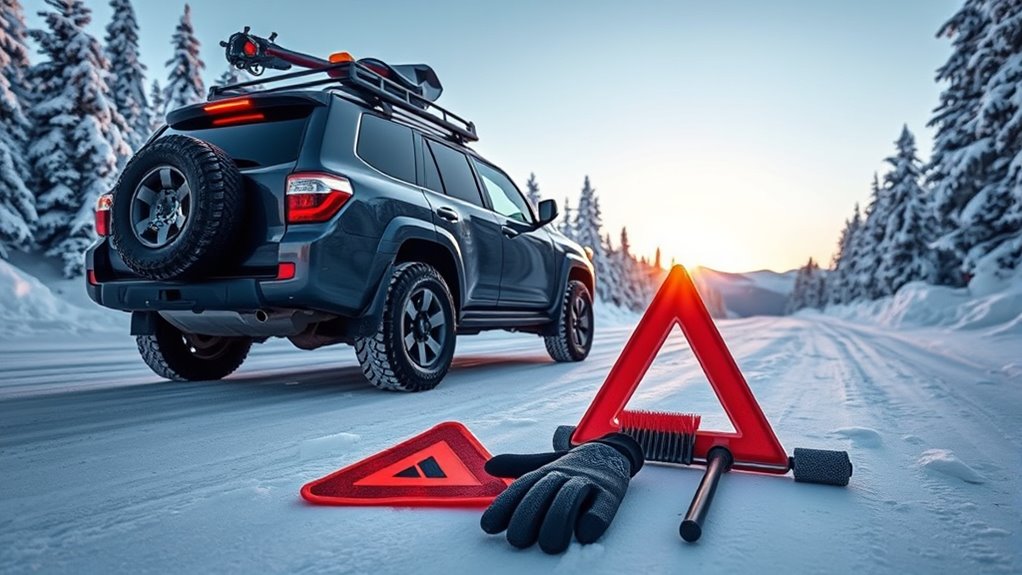
10 Essential Tips for Gear to Drive in Snow
Driving in snow can be stressful—many people worry about losing traction, visibility, or control on icy roads. You’re not alone in facing these challenges, but having the right gear can make all the difference.
Here are some essential tips for winter driving gear to keep you safe and confident behind the wheel.
To drive safely in snow, you need the right gear. Choose winter tires for better traction and invest in quality windshield wipers for clear visibility.
Make sure your battery’s winter-ready and use durable floor mats to keep the interior clean. Always pick the right engine oil for cold temperatures and keep your gas tank full to prevent issues.
Don’t forget a high-visibility jacket for emergencies. For even more tips and tricks, keep exploring winter driving essentials!
Key Takeaways
- Invest in high-quality winter tires with deep tread patterns for better traction on snow and ice.
- Keep your windshield wipers in top shape; winter-specific blades perform better in harsh conditions.
- Make sure your battery is fully charged and check cold cranking amps so your car starts reliably in freezing weather.
- Carry an emergency kit that includes warm clothing, food, and essential tools for unexpected situations.
- Always keep your gas tank at least half full to prevent fuel lines from freezing and to improve vehicle stability.
Choose the Right Winter Tires for Maximum Traction
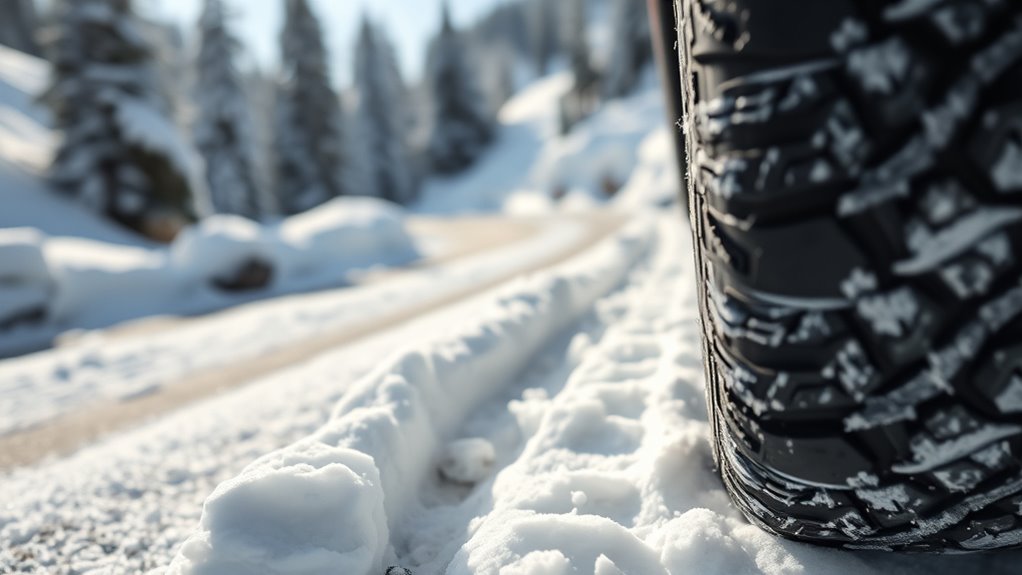
When you’re gearing up to drive in snow, choosing the right winter tires is essential for maintaining grip and stability. Look for tires with deep tread patterns designed specifically for winter conditions. These patterns help channel snow and slush away from the tire, which boosts traction control and reduces the risk of slipping.
Next, think about the rubber compound. Winter tires are made from softer materials that stay pliable in low temperatures, helping them stay in contact with the road. It’s also a good idea to check for features like siping—small cuts in the tread that increase grip on icy surfaces.
Finally, make sure to match the tire size and specs to your vehicle for the best performance. Investing in the right winter tires sets you up for safer, more confident driving in snowy weather. Remember, the right tires can make all the difference when winter weather hits!
Invest in Quality Windshield Wipers for Clear Visibility
After choosing the right winter tires, don’t forget about your windshield wipers. They’re essential for keeping your view clear in snowy conditions.
Your wipers help you see through snow, slush, and ice. Investing in high-quality winter wipers makes a big difference when temperatures drop.
Your wipers are crucial for visibility in winter; high-quality winter blades ensure optimal performance in snow and ice.
Don’t wait until your wipers streak or skip to replace them. Check them regularly for wear, especially before heavy snowfall. If they’re not working well, replace them to keep your visibility at its best.
Think about getting winter-specific wiper blades. They’re designed to resist ice buildup and perform better in freezing weather.
Ensure Your Battery Is Winter-Ready
As winter rolls in, it’s a good idea to give your battery a quick check-up. You want to make sure it’s in good shape before the cold weather really settles in. Take a peek at the terminals and clean off any corrosion you find—that stuff can cause all sorts of starting problems.
It’s also a smart move to test the cold cranking amps. That’s just a fancy way of saying how well your battery can start your car in chilly weather. If your battery isn’t up to par, you might find yourself stuck when you need to get going the most. So, just a little prep now can save you a lot of hassle later on!
Check Battery Health Regularly
Checking your battery health regularly is essential for winter driving. Cold weather can greatly reduce your battery’s efficiency, so staying on top of battery maintenance is vital.
Start by testing your battery’s voltage. A fully charged battery should read around 12.6 volts. If it dips below 12.4 volts, it’s time to think about a charge or replacement.
Pay attention to the age of your battery, too. Most last about three to five years. If you’re unsure, take it to a professional for a thorough check.
Keeping your battery in good condition not only guarantees reliable starts but also helps prevent unexpected breakdowns in harsh winter conditions. Stay proactive, and your battery will be winter-ready.
Clean Corroded Terminals Promptly
Corroded battery terminals can cause poor performance and starting problems, especially in cold winter months. Regular cleaning of the terminals is key to keeping your battery reliable.
Start by disconnecting the negative terminal first, then the positive. Use insulated tools for safety. Scrub away corrosion with a mixture of baking soda and water, then rinse thoroughly and dry completely.
Finally, apply a corrosion prevention spray. This helps keep the terminals clean longer and protects your battery. Regular checks can prevent issues and keep your vehicle running smoothly during winter.
Test Cold Cranking Amps
Testing your battery’s cold cranking amps (CCA) is key to making sure it can handle winter’s cold snap. Cold weather testing shows how well your battery performs when temperatures drop.
When it’s really chilly, your battery’s ability to start your engine can drop a lot. To check your CCA, you can use a multimeter or take your vehicle to a professional.
Ideally, your battery’s CCA rating should match or be higher than what your vehicle needs. If it’s lower, it might be a good idea to replace the battery before winter arrives.
Optimize Traction and Cleanliness With Quality Floor Mats
When winter rolls around, having good-quality floor mats can really make a difference in your vehicle. They help you grip those icy surfaces better, so you’re less likely to slip. Plus, after a snowy day, cleanup is a whole lot easier—just a quick shake or sweep, and you’re good to go.
And the best part? These mats are built to handle all kinds of weather, so no matter what winter throws at you, your car stays cleaner and more protected. It’s a simple upgrade that can make your winter driving safer and more convenient.
Improved Grip On Ice
To navigate icy roads safely, having quality floor mats can make a big difference in improving traction and keeping things clean. When you invest in grip-enhancement products, you’re not just protecting your vehicle; you’re also boosting your stability while driving.
Quality mats give you a solid base, helping you grip the ice better by preventing slipping and sliding inside the car. They also catch snow and ice, which reduces moisture from affecting your grip on the road.
Plus, well-fitted mats stop messes from spreading around, so you can focus on driving instead of cleaning. Choosing the right floor mats can improve your overall driving experience and help you stay in control, even in tough conditions.
Prioritize safety because your journey really depends on it.
Easy Cleanup After Snow
Keeping your vehicle clean after a snowfall is just as important as maintaining traction on icy roads. Quality floor mats help catch snow and moisture, making cleanup easier.
When you use effective shoveling methods, you can quickly clear snow from your driveway and around your vehicle. Start with a sturdy shovel to push snow away from tires and doors so you can get in and out easily.
You can also save time by using a snow blower for larger areas. After removing the snow, shake off any excess from your mats before bringing them inside.
This simple routine keeps your vehicle clean and helps prevent rust and damage over time.
All-Weather Durability Benefits
Quality floor mats not only improve traction but also protect your vehicle from the harsh elements of winter. Investing in mats made from all-weather materials guarantees they withstand snow, mud, and ice without deteriorating.
These mats go through tough durability tests, proving they can handle whatever Mother Nature throws your way.
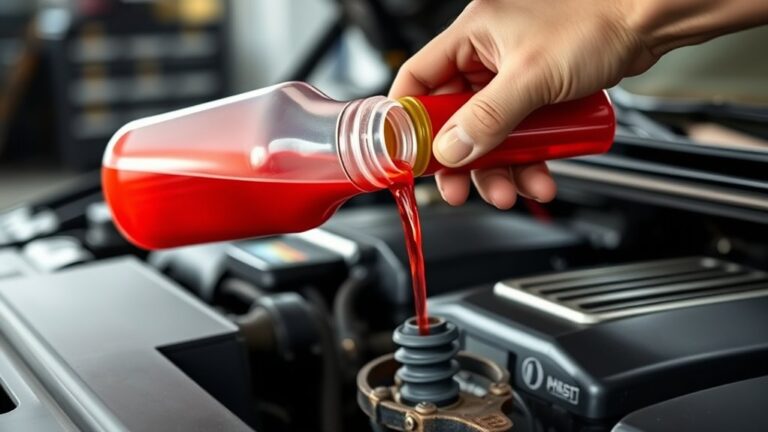
Choose Proper Engine Oil for Cold Weather
When temperatures drop, choosing the right engine oil becomes really important for your vehicle’s performance.
Synthetic oils are a great choice because they offer better protection and flow in cold weather.
Look for oils with the right viscosity ratings that can handle freezing temperatures without thickening too much.
Here’s a quick reference table:
| Viscosity Rating | Recommended Use |
|---|---|
| 0W-20 | Excellent for extreme cold |
| 5W-30 | Versatile for moderate cold |
| 10W-30 | Good for slightly warmer temperatures |
Using the right oil helps ensure your engine starts smoothly and runs efficiently.
Check your owner’s manual for specific recommendations for your vehicle.
Use Snow Chains for Better Traction in Heavy Snow
To navigate heavy snow effectively, using snow chains can make a big difference in your vehicle’s traction. They help improve grip, which can prevent slipping and sliding on icy roads.
This added traction lets you stay in control, making your drive safer. Before you hit the road, make sure you know how to install your snow chains correctly. Follow the manufacturer’s instructions carefully for the best results.
It’s a good idea to practice installing them at home when the weather’s clear so you’re ready when conditions get worse. Remember to check your chains regularly for wear and tear.
Proper maintenance will help them last longer and perform better. Finally, always drive cautiously, even if you have chains on, since they can’t eliminate all risks on snowy roads.
Using snow chains will give you a better chance to handle tough winter driving conditions confidently.
Pack a High-Visibility Jacket for Winter Emergencies
While you might not think about it often, packing a high-visibility jacket for winter emergencies can be a lifesaver. When you’re stuck on the side of the road or need to signal for help, visibility is essential.
A bright jacket makes it easier for other drivers and rescue teams to spot you in low-light conditions or heavy snowfall. In terms of emergency preparedness, having this gear improves your safety.
If your car breaks down or you need to walk for help, wearing a high-visibility jacket reduces the risk of accidents. It’s not just about staying warm; it’s about staying safe.
Choose a jacket that reflects light and stands out against the snow. This simple addition to your winter gear can make a big difference when you’re in an unexpected situation.
Don’t underestimate the power of visibility in ensuring your safety on the road.
Keep Your Gas Tank Full to Prevent Winter Fuel Issues
Keeping your gas tank full during winter isn’t just a good habit—it’s pretty much essential. When your tank is full, it helps prevent the fuel lines from freezing up, which can be a real headache. Plus, having a full tank gives your vehicle better stability on those slick, slippery roads.
And here’s another thing: a full tank also cuts down on fuel evaporation, so you’re less likely to run out unexpectedly in the cold. Basically, staying topped off means you’re more prepared and less likely to get stranded when the weather’s rough. So, make it a point to keep that tank as full as you can—it’s a simple step that can save you a lot of trouble!
Avoid Fuel Line Freeze
As temperatures drop, making sure your gas tank is full becomes really important to avoid winter fuel problems like fuel line freeze. A full tank reduces the air space inside, which helps prevent moisture from forming.
This moisture can build up and cause ice that blocks your fuel lines, leaving you stranded. Regular fuel line maintenance is key during winter months. Keep an eye on your fuel filter and think about using a fuel additive designed to prevent freeze-ups.
Enhance Vehicle Stability
To improve vehicle stability during winter driving, keeping your gas tank at least half full is key. It adds extra weight, which helps with better balance and traction on icy or snowy roads.
Make sure to check your tire pressure regularly. Cold weather can lower pressure, making your tires less effective at gripping the road.
Switch to winter tires—they’re designed for better grip on snow and ice, giving you more control.
Finally, slow down when driving in winter conditions. Taking it easy gives you more control, especially when turning or braking on slippery surfaces.
Reduce Fuel Evaporation
Maintaining a full gas tank not only improves vehicle stability but also helps reduce fuel evaporation, which can be a concern in winter months.
When temperatures drop, fuel can evaporate more easily, leading to engine performance issues and increased emissions.
Keeping your tank at least half full minimizes the air space and helps reduce evaporation.
You might also consider using fuel additives designed to stabilize fuel during cold weather.
These additives can help maintain fuel quality, ensuring your vehicle runs smoothly when you need it most.
By following these simple tips, you can prevent winter fuel problems and keep your car reliable on snowy roads.
Stay prepared and drive safely this winter!
Regularly Check Brakes and Lights for Safe Winter Driving
Regular checks on your brakes and lights can really boost your safety during winter driving. Making sure your brakes are in good shape and your lights work properly is crucial when roads are slippery or visibility is low.
Here are four key things to check:
- Brake Pads: Look for wear and replace them if needed.
- Brake Fluid: Ensure it’s at the right level; low fluid can reduce braking power.
- Headlights and Taillights: Test all your lights to make sure they’re working. Replace any burnt-out bulbs.
- Brake Lights: Double-check that your brake lights are visible to other drivers when you press the pedal.
Keep an Emergency Kit Packed and Ready for Winter Conditions
Even with well-maintained brakes and lights, winter driving can still surprise you. That’s why keeping an emergency kit packed and ready is so important for winter preparedness.
Start by including essentials like a first-aid kit, flashlight, and extra batteries. Don’t forget a blanket, gloves, and a hat to stay warm if you get stuck.
Add non-perishable snacks and water to keep yourself nourished. Jumper cables and a basic toolkit can help you fix minor issues on the spot. A shovel plus kitty litter or sand can give you traction if you’re stuck in snow.
Make sure to regularly check your kit. Replace any expired items and confirm everything works. Being prepared can make all the difference in a winter emergency.
Take the time now to assemble your kit so you can drive confidently through the snowy season.
Frequently Asked Questions
How Do I Know When to Replace My Winter Tires?
You’ll know it’s time to replace your winter tires when the tire tread wears down to 4/32 of an inch or less.
Keep an eye on how your tires perform—like if you notice less traction on snow or ice, longer stopping distances, or strange vibrations while driving.
If you see any of these signs, don’t wait. Prioritize safety and get new tires to stay in control during winter conditions.
It’s always better to be proactive and replace your tires before problems happen!
Can I Use All-Season Tires in Heavy Snow?
While you might think all-season tires are a safe bet, they often fall short in heavy snow. Their performance can drop significantly in tough conditions, leaving you wishing for better traction.
In deep snow, you’ll find they struggle to grip the road effectively. If winter driving is a priority, consider investing in dedicated winter tires. They really shine when it comes to providing the snow traction you need to navigate those tricky roads confidently.
What Should I Include in My Emergency Kit?
You should include a first aid kit, warm blankets, water, and non-perishable snacks in your emergency kit. A flashlight with extra batteries and a multi-tool are also essential.
Don’t forget to add a shovel, ice scraper, and jumper cables, too. Having these essentials on hand can really make a difference if you get stuck or face unexpected situations.
Make sure to regularly check your kit to verify everything’s in good condition and replace any expired items.
How Often Should I Check My Battery in Winter?
You should check your battery at least once a month during winter. Cold weather can really affect how your battery performs, so keeping an eye on it is important.
Look for signs of corrosion, make sure the connections are tight, and test the charge if you’re unsure. If your battery is over three years old, it’s a good idea to get it tested professionally.
Regular battery checks can help you avoid unexpected breakdowns when you need your vehicle most.
Are Snow Chains Necessary for All Winter Driving Conditions?
Snow chains aren’t necessary for all winter driving conditions, but they can offer big benefits in deep snow and icy roads. If you often drive in heavy snowfall, chains can really improve traction and safety.
That said, alternatives like winter tires or all-weather tires might be enough in milder conditions. Always check your environment before hitting the road.
If the weather gets worse unexpectedly, having chains in your trunk can be a real lifesaver. Stay prepared and drive safely!
Conclusion
By equipping your vehicle with the right gear for winter driving, you’ll be ready to handle any snowy situation that comes your way. From choosing the best tires to keeping your gas tank topped off, these tips will help you stay safe and confident on the road.
Remember, it’s always better to be safe than sorry. So, gear up with the proper snow-driving gear and hit the road knowing you’re prepared for those frosty adventures ahead!