What Does “M” Mean on a Gear Shift?
Many drivers feel overwhelmed trying to get the hang of their car’s gear options, especially with all the different modes out there.
If you’ve ever wondered about that “M” on your gear shift, you’re not alone. Understanding what it means can really boost your driving confidence and control.
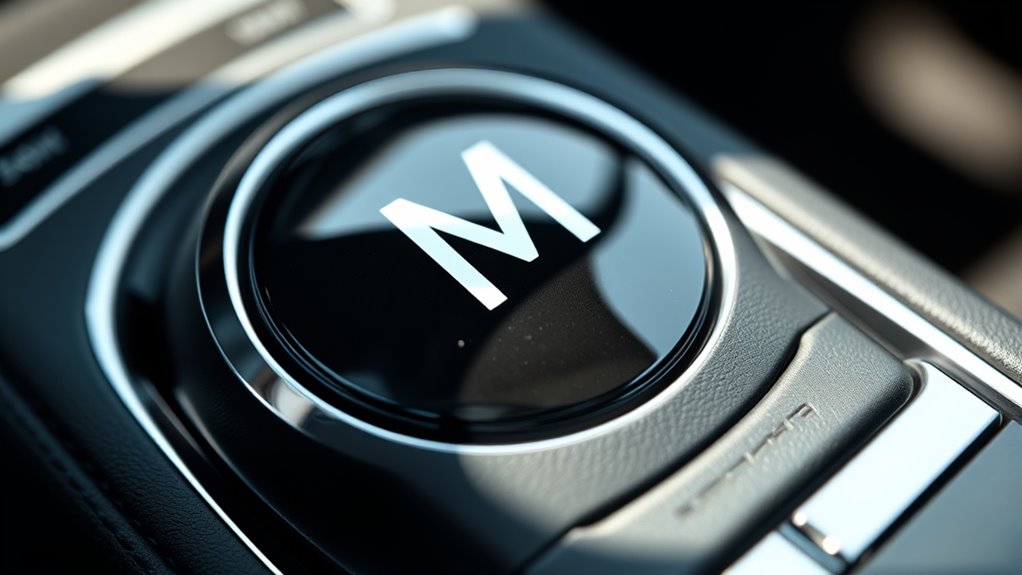
The “M” on your gear shift stands for “Manual,” giving you control over gear changes. When you switch to “M,” you can shift gears yourself, enhancing your driving experience.
This mode lets you adapt to various conditions, like hills or slippery roads, improving acceleration and engine responsiveness. It also allows for engine braking, reducing brake wear.
If you’re curious about how to make the most of “M” mode and its benefits, there’s more to explore.
Key Takeaways
- “M” stands for “Manual,” which lets drivers control gear shifting themselves for better performance.
- This mode makes the vehicle more responsive and easier to control, especially in tough driving situations.
- It allows you to fine-tune gear selection, which is helpful on hilly roads or when towing.
- “M” mode gives you a more engaging drive compared to regular automatic transmissions.
- To use “M” mode effectively, it’s important to learn the right shift timing and watch your RPMs.
What Does “M” Stand For on a Gear Shift?
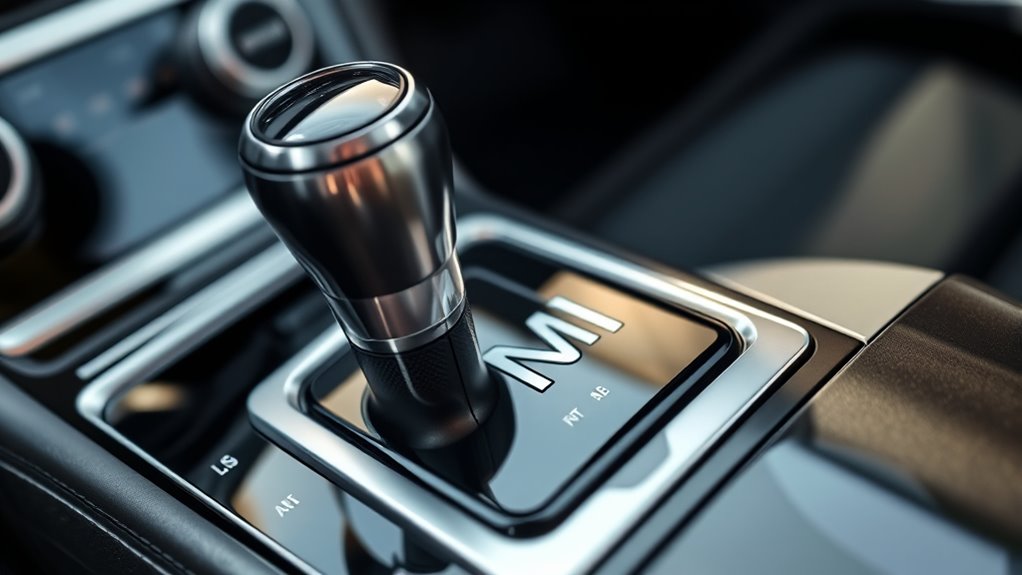
When you see the “M” on a gear shift, it stands for “Manual.” This setting gives you more control over your vehicle’s performance by letting you shift gears yourself instead of relying only on the automatic transmission.
One of the main advantages of manual mode is the ability to respond quickly to changing driving conditions. You can downshift for better acceleration or upshift to save fuel, making your drive more enjoyable.
Using manual mode connects you with your vehicle in a way automatic driving can’t match. You can feel the engine’s power and adjust your speed precisely, making each drive more engaging.
Whether you’re navigating winding roads or climbing steep hills, that control can make a big difference. So next time you see “M,” remember it’s not just a setting—it’s a chance to enhance your journey behind the wheel.
How “M” Enhances Control in Various Driving Conditions
While driving in challenging conditions, engaging the “M” mode on your gear shift allows you to take control of your vehicle’s performance. This mode enhances engine responsiveness, making it easier to accelerate or decelerate as needed.
In slippery situations like rain or snow, you can shift gears manually to help maintain better traction and control.
When you’re navigating tight turns or steep hills, “M” mode lets you fine-tune your gear selection, improving your driving precision. You can downshift to use engine braking, which reduces your reliance on the brakes and helps prevent skidding.
Whether you’re tackling winding roads or steep inclines, using “M” mode gives you the ability to make quick adjustments. This ensures your vehicle responds exactly how you want it to, making driving safer and more enjoyable.
Key Differences Between Automatic and Manual Transmissions
Understanding the differences between automatic and manual transmissions can help you choose the best option for your driving style. Each type has unique features that impact your driving experience.
- Gear Shift Control: With a manual transmission, you control the gear shift completely, giving you more direct involvement with the vehicle. Automatic transmissions handle gear changes for you, making driving easier, especially in traffic.
- Fuel Efficiency: Manual transmissions often offer better fuel efficiency because you can optimize gear shifts. But modern automatics have improved a lot, narrowing the efficiency gap.
- Driving Experience: If you enjoy a hands-on driving feel, a manual might suit you better. Automatics provide convenience and are generally easier for new drivers to learn.
When to Use “M” for Best Performance?
Have you ever wondered how to boost your vehicle’s performance with the “M” setting on your gear shift? The “M” mode is great for improving control, especially when you need it most.
Use it during hilly terrains or when towing heavy loads. It allows for higher RPMs and quicker throttle response, giving you better power when you need it.
You might also switch to “M” when doing sporty driving techniques like aggressive acceleration or sharp cornering. It lets you manually choose the gear, so you can rev higher before shifting for more power.
But avoid using “M” in everyday driving, like stop-and-go traffic. It can cause unnecessary wear and tear on your vehicle.
Knowing when to activate “M” helps make your drive both exciting and efficient. It’s all about making the most of your vehicle’s capabilities whenever it counts.
Why You’ll Love Driving in Manual Mode
Driving in manual mode offers an exhilarating experience that puts you in complete control of your vehicle. You’ll love how it transforms your driving experience and makes you feel more engaged with the road. Here are three reasons to give manual mode a try:
Driving in manual mode transforms your experience, giving you complete control and a deeper connection to the road.
- Precision Control: You decide when to shift gears, which means you can get the most power and efficiency, especially during steep climbs or tight turns.
- Enhanced Connection: Feel every little nuance of the road as you engage with your car like never before. It makes each drive more enjoyable and immersive.
- Fun Factor: Manual driving adds a real sense of excitement. It turns boring commutes into thrilling adventures as you master the art of shifting.
Whether you’re cruising through city streets or winding along country roads, driving in manual mode can elevate your experience and make every trip uniquely yours. So, buckle up and enjoy the ride!
Risks of Using ‘M’ Gear and How to Mitigate Them
While using ‘M’ gear can improve your driving experience, it also comes with certain risks you should be aware of. One major concern is choosing the wrong gear, which can put strain on the engine or damage the transmission. Understanding how automatic and manual modes differ is really important. If you’re not careful, you might shift too early or too late, which can hurt performance.
Another risk involves engine braking. While it can give you more control, overusing it without knowing how can cause the vehicle to slow down suddenly, creating safety hazards. To avoid these issues, always put safety first. Get to know your vehicle’s manual to understand what it can do. Start slow and practice in safe areas before hitting busy roads.
With awareness and practice, you can enjoy the benefits of ‘M’ gear while reducing potential problems.
Shifting Gears Smoothly in ‘M’ Mode
When you’re in ‘M’ mode, shifting gears smoothly can really make a difference in how your drive feels. It’s all about knowing the right techniques to make those gear changes seamless, so you stay in control without any jerks or surprises. Once you get the hang of it, you’ll notice how much more engaging and fun driving becomes.
Mastering manual control isn’t just about better performance; it also gives you a sense of connection to the car that automatic modes just can’t match. Plus, it allows you to really harness the power of your vehicle when you need it most. So, take your time, practice those shifts, and enjoy a driving experience that’s both exciting and smooth.
Understanding Manual Mode
Manual mode, often marked by an “M” on your gear shift, gives you direct control over gear selection, making your driving experience more engaging. With manual driving, you get to decide when to shift gears.
Here are three key points to remember about gear shifting in ‘M’ mode:
- Engine Response: You can optimize engine performance by choosing the right gear for your speed.
- Control: Manual mode lets you customize your driving style, whether you’re navigating city streets or heading out on the open road.
- Efficiency: Shifting at the right RPMs can improve fuel efficiency and reduce unnecessary strain on the engine.
Enjoy the freedom of manual driving and get the most out of your vehicle!
Techniques for Smooth Shifts
Shifting gears smoothly in ‘M’ mode takes practice and paying attention to timing. You want to master shift timing so you’re not jolting the vehicle.
Start by watching your RPMs; shift up when they’re in the sweet spot to avoid stalling or over-revving. Clutch control is just as important; engage and disengage the clutch smoothly to make changes seamless.
When downshifting, give the throttle a quick blip to match engine speed and prevent jerks. Anticipate your shifts based on road conditions and your speed to make the drive more fluid.
Finally, stay relaxed. Tension can make shifting harder. With time, smooth shifting in ‘M’ mode will become second nature.
Benefits of Manual Control
Gaining manual control in ‘M’ mode transforms your driving experience, letting you tailor gear shifts to your needs. Shifting gears manually brings several advantages that make driving more engaging.
You get to decide exactly when to shift, helping you optimize power and efficiency based on your driving conditions. This control is especially useful on tricky terrains or steep inclines, ensuring a smoother ride.
Plus, manual driving keeps you connected to your vehicle. It makes every drive more enjoyable because you’re actively involved in how the car performs.
Misconceptions About ‘M’ in Automatics
While many drivers assume that the ‘M’ on an automatic gear shift solely stands for “manual,” it can lead to confusion about its actual purpose. You might think that engaging ‘M’ allows you complete control like in a traditional manual transmission, but that’s not the full story. This is one of the common M mode myths.
In reality, using ‘M’ often means you’re in a semi-automatic mode, where the car still manages some functions for you. Automatic misconceptions often suggest that ‘M’ guarantees a sporty driving experience, but it really depends on your driving style.
Many drivers face manual mode confusion, thinking they can shift freely like in a manual car. However, the system usually has limits to prevent engine strain. So, before you hit that ‘M,’ understand its true function to make the most of your driving experience without falling for these myths.
Tips for Transitioning From Automatic to Manual Driving
Changing from automatic to manual driving can feel intimidating, especially if you’re used to letting the car do all the work. But with some practice and patience, you’ll get the hang of it.
Here are three tips to help you switch smoothly:
1. Understand Clutch Control
Get comfortable with the clutch pedal. Practice finding the biting point where the car starts to move. It’s key for smooth starts and stops.
2. Practice Throttle Response
Learn how to balance the accelerator with the clutch. Too much throttle can cause stalling, while too little can make the car jerk. Find that sweet spot for a smoother ride.
3. Take It Slow
Start in a quiet area to build your confidence. Focus on shifting gears without feeling rushed. The more relaxed you are, the easier it becomes.
With time, you’ll feel more at home behind the wheel of a manual car!
Frequently Asked Questions About Gear Shifts and “M”
Have you ever wondered what that “M” on your gear shift really means? The “M” stands for “manual,” which lets you take control of your vehicle’s gear selection.
The “M” on your gear shift stands for “manual,” giving you control over your vehicle’s gear selection.
It’s a great way to improve your driving experience, especially when mastering gear shift basics. Shifting into “M” lets you choose gears manually, perfect for climbing hills or making sharp turns.
You might also be asking how to use it effectively. A good rule of thumb is to shift up as your RPM rises and down when it drops. This technique boosts performance and helps with fuel efficiency.
If you’re unsure when to use “M,” try experimenting in a safe area. Getting a feel for how it affects your ride will help you become more confident.
Frequently Asked Questions
Can All Vehicles Have an “M” Mode on the Gear Shift?
Not all vehicles have an “M” mode on the gear shift. Typically, you’ll find it in cars with automatic transmissions designed for performance driving.
This mode lets you enjoy manual transmission benefits, like better control over gear selection and engine response. If you’re into spirited driving, look for vehicles that offer this feature. It can improve your driving experience by allowing you to shift gears on your terms.
Does Using “M” Impact Fuel Efficiency?
Using “M” can impact fuel efficiency, but it really depends on how you drive. When you shift manually, you might enjoy better driving performance, especially on hilly roads.
But if you’re revving the engine high, your fuel consumption can go up. So, while you get more control, you might also use more gas.
Balance your driving style to enjoy the benefits without sacrificing efficiency. It’s all about how you choose to use that gear!
Is “M” Mode Safe for Novice Drivers?
Yes, “M” mode can be safe for novice drivers if you practice manual transmission tips and learn proper shifting techniques.
It allows you to control gear changes, helping you understand your vehicle better. Start in light traffic to build confidence, and don’t rush your shifts.
Focus on smooth shifts and listen to your engine. With time, you’ll become more comfortable, making “M” mode a valuable tool in your driving experience.
What Happens if I Forget to Shift in “M” Mode?
If you forget to change in “M” mode, you might find yourself in a bit of a pickle. Your engine could over-rev, which may strain the engine or transmission.
It’s essential to stay on top of gear shifting, especially in manual mode, to maximize performance and avoid damage. Brush up on your driving techniques to guarantee smooth shifts.
Can “M” Mode Cause Engine Damage if Misused?
Yes, using “M” mode incorrectly can cause engine damage. If you don’t follow proper shifting techniques, like downshifting at high speeds, you risk putting too much strain on the engine.
This can lead to excessive wear and tear, which might cause components to fail early. Always keep an eye on your RPMs and shift smoothly to avoid over-revving.
Misusing “M” mode can also cause overheating, so be careful how you engage it. Taking these precautions helps keep your engine healthy and running smoothly.
Conclusion
To sum up, hitting that “M” on your gear shift opens the door to a world of driving excitement and control. It’s like taking the wheel of your own adventure, letting you tailor your ride to the road ahead.
Seize the thrill of manual mode, whether you’re tackling winding roads or zipping through city streets. With practice, you’ll shift like a pro, transforming every drive into a dynamic experience.
So, go ahead—give it a try and explore what the “M” on your gear shift can do for your driving fun and control.