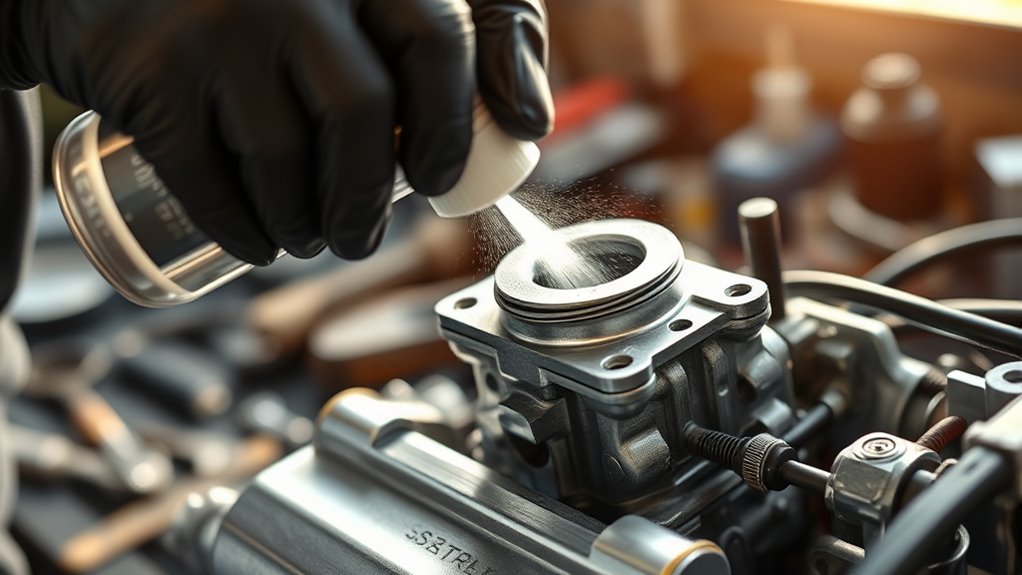
Understanding Carburetor Cleaner for Engine Maintenance
Struggling with engine performance issues? You’re not alone—many people find their engines sputter or stall unexpectedly. One simple way to keep things running smoothly is by using carburetor cleaner regularly.
Carburetor cleaner is essential for keeping your engine running smoothly. It removes dirt and gunk, ensuring better fuel flow and improving efficiency. You’ll want to use it regularly to prevent issues like sputtering or poor performance.
Always check your engine’s condition and consider cleaning every 20,000 miles or after storage. Remember to follow safety tips, like wearing gloves and goggles.
Stick around to uncover the best practices and common mistakes to avoid while using carburetor cleaner.
Key Takeaways
- Carburetor cleaner removes dirt and deposits, helping to keep fuel flowing smoothly and your engine running better.
- Regular cleaning can boost engine efficiency, save fuel, and cut down on emissions.
- It usually contains ingredients like acetone and isopropyl alcohol, which are great at breaking down grime.
- If your engine sputters, idles roughly, or has trouble starting, it might be time to check and clean the carburetor.
- When using carburetor cleaner, wear gloves and goggles, work in a well-ventilated area, and always follow the instructions on the label.
How to Use Carburetor Cleaner for Optimal Engine Performance
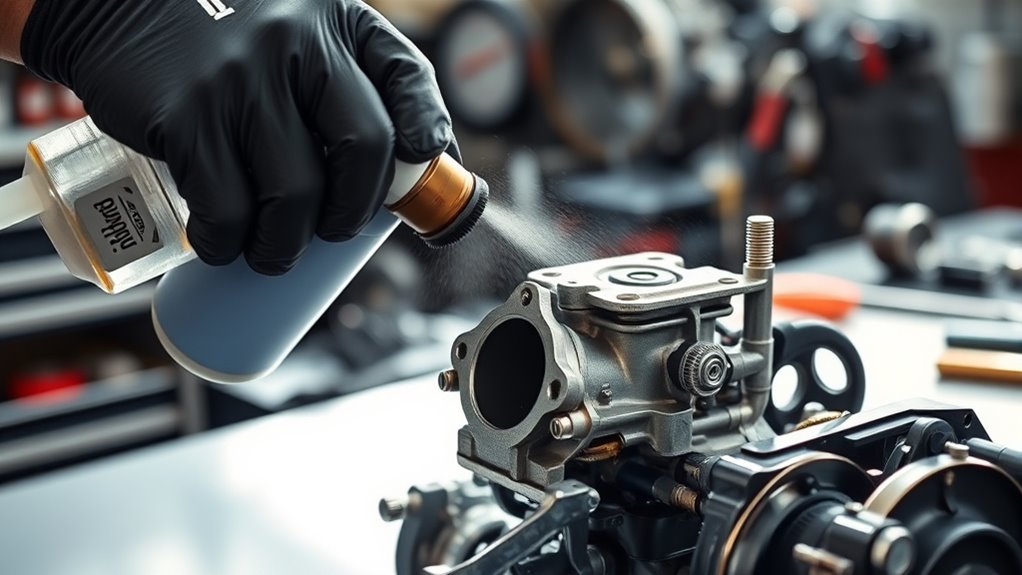
To get the best performance from your engine, you should regularly use carburetor cleaner. This powerful solution helps maintain your carburetor by removing dirt, varnish, and other deposits that can hinder engine efficiency.
Start by confirming your engine is off and cool. Remove the air filter to access the carburetor easily. Shake the can of carburetor cleaner well, then spray it directly into the carburetor throat while the engine is idling.
Start with a cool, off engine; remove the air filter, then spray carburetor cleaner into the carb throat while idling.
This process helps clean the engine, allowing the cleaner to dissolve harmful deposits. If you’re doing more thorough carburetor maintenance, consider removing the carburetor for a complete soak in the cleaner.
Be sure to follow the manufacturer’s instructions for the best results. Regular use of carburetor cleaner not only improves performance but also extends the life of your engine.
What Is Carburetor Cleaner and Why Is It Essential?
Carburetor cleaner is basically a special solvent made to get rid of dirt and gunk that can build up in your engine’s carburetor. Think of it as a deep-cleaning agent that helps keep everything running smoothly.
It’s pretty important because a clean carburetor means better fuel flow, which in turn helps your engine perform at its best. Regular use of carburetor cleaner can actually make a big difference in how your engine runs and how efficiently it uses fuel. So, if you want to keep your engine in top shape, using it regularly is a smart move.
Composition Of Carburetor Cleaner
At the heart of effective engine maintenance is carburetor cleaner, a specialized solution designed to remove buildup and deposits that can slow down performance. Knowing what’s inside helps you pick the right product for your needs.
Carburetor cleaners usually contain different types of solvents, each with unique chemical properties aimed at breaking down grime. For example, Acetone is a powerful solvent that dissolves stubborn deposits easily.
Isopropyl alcohol is great for cleaning and disinfecting. Meanwhile, Mineral spirits offer a less aggressive option for light cleaning tasks. Ethyl alcohol helps reduce moisture buildup in the engine.
Finally, Petroleum distillates are effective for heavy-duty cleaning jobs. Understanding these ingredients can help you choose the best cleaner for keeping your engine running smoothly.
Benefits For Engine Performance
Effective engine performance depends a lot on using carburetor cleaner. Regular use can really boost your engine’s efficiency by keeping things running smoothly.
It helps clear out carbon deposits and gunk that can clog the carburetor, so fuel flows better. This improves combustion and gives your engine more power.
Adding carburetor cleaner to your regular maintenance can save you money later on. A clean carburetor means better fuel economy, so you spend less at the pump.
It also helps reduce emissions, making your vehicle more eco-friendly. Make carburetor cleaning a routine part of your engine care, and enjoy a smoother, more responsive drive. Your engine will thank you!
How Does Carburetor Cleaner Work on Engine Components?
When you use carburetor cleaner, you’re basically using a special mix of chemicals that are really good at breaking down dirt, grease, and carbon deposits. It’s like giving your engine a deep clean to keep everything running smoothly. Knowing what’s in this cleaner can help you understand how it’s so effective at targeting different engine parts.
Basically, these chemicals work by dissolving stubborn grime and deposits that can clog up your carburetor and other engine components. By doing this, they help improve airflow and fuel efficiency. So, using carburetor cleaner isn’t just about cleaning—it’s about keeping your engine performing at its best and avoiding more serious problems down the line.
Chemical Composition Explained
Carburetor cleaner is a powerful solution designed to tackle the grime and buildup that can hinder engine performance. Its effectiveness lies in its unique chemical composition, which promotes beneficial interactions with various contaminants. The solvent properties of carburetor cleaner enable it to dissolve tough deposits and residues, ensuring your engine runs smoothly.
It contains powerful solvents for quick action and includes detergents to break down grease. The product also features corrosion inhibitors to protect metal parts. Often, it has a fast-drying formula to minimize residue and may include fragrances to mask chemical odors.
Cleaning Mechanism Overview
Since grime and deposits can seriously affect engine performance, carburetor cleaner uses a mix of solvents and detergents that work together to handle these issues effectively. How often you should clean depends on your engine’s condition and how you use it.
Regular maintenance helps keep your engine running at its best. Here’s a quick look at some common application techniques:
| Technique | Description |
|---|---|
| Soaking | Submerge parts in cleaner for deep cleaning. |
| Spraying | Spray directly onto surfaces for spot cleaning. |
| Brushing | Use a brush with cleaner to tackle stubborn deposits. |
Effectiveness on Components
Grime and deposits can build up on different engine parts, affecting how well your engine runs. Using carburetor cleaner helps break down these stubborn buildups, keeping everything running smoothly. Regular cleaning is key, and how often you do it can really boost your engine’s efficiency.
Here’s how carburetor cleaner works on some main components:
- Carburetor jets: Clears blockages to keep fuel flowing properly.
- Throttle body: Gets rid of carbon buildup, improving throttle response.
- Intake manifold: Removes residue that can mess with the air-fuel mix.
- Fuel injectors: Cleans deposits to help your engine burn fuel efficiently.
- Gaskets and seals: Restores their seal, preventing leaks and maintaining pressure.
What Signs Indicate Your Carburetor Needs a Cleaner?
When your engine starts sputtering or hesitating during acceleration, it’s a clear sign that your carburetor might need some cleaning. Poor performance can cause decreased fuel efficiency and sluggish acceleration.
If you notice a rough idle or your engine backfiring, these are also signs that dirt and debris have built up in your carburetor, affecting how it runs.
Another indication is difficulty starting your engine. If it takes multiple tries to get it going, it’s time to check the carburetor.
Regular maintenance is important, so think about how often you should clean it based on your driving habits and conditions.
For example, if you often drive in dusty areas or take short trips, you might need to clean your carburetor more often.
Keeping an eye out for these signs can save you from bigger engine issues later on.
Selecting the Best Carburetor Cleaner Based on Your Engine Type
Choosing the right carburetor cleaner for your engine type can really impact how well it runs. It’s important to think about the different carburetor types and whether the cleaner is compatible with your engine.
Consider the type of cleaner—solvent-based options are good for heavy deposits, while aerosol sprays are better for light cleaning. Make sure the cleaner won’t damage rubber or plastic parts in your carburetor.
Look at how you’ll apply it—spray, soak, or pour—as this can make the cleaning process easier. Also, eco-friendly options that are biodegradable are better for the environment.
Finally, pick a brand with a good reputation for quality and effectiveness to ensure you get a reliable product.
How to Apply Carburetor Cleaner Effectively
Applying carburetor cleaner effectively can give your engine a real boost. Start by removing the air filter and spraying cleaner directly into the carburetor. Let it soak for a few minutes to loosen up any stubborn gunk.
Next, follow these carburetor maintenance tips for the best results:
| Step | Action |
|---|---|
| Preparation | Remove air filter and cover intake |
| Application | Spray cleaner into the carburetor |
| Finishing Touches | Reassemble parts and start the engine |
For tougher deposits, use a brush to scrub away grime. Be careful not to over-spray, as too much residue can cause issues. After applying the cleaner, give it a moment to work, then start the engine to see how it runs.
Regularly using carburetor cleaner helps keep your engine running smoothly and can extend its lifespan.
What Safety Tips Should You Keep in Mind When Using Carburetor Cleaner?
Although carburetor cleaner is effective for engine maintenance, staying safe while using it is crucial. Here are some key safety tips to keep in mind:
Always wear safety gear. Use gloves and goggles to protect your skin and eyes.
Ensure proper ventilation. Work in a well-ventilated area to avoid inhaling harmful fumes.
Read the label carefully. Familiarize yourself with the cleaner’s instructions and warnings.
Keep first aid supplies nearby. Be prepared for any accidents by having a first aid kit on hand.
Practice proper disposal. Dispose of leftover cleaner and containers according to local regulations to prevent environmental harm.
What Mistakes Should You Avoid When Cleaning Your Carburetor?
When you’re cleaning your carburetor, using the wrong tools can really cause damage or result in a job that’s not done well. So, it’s important to choose the right tools for the job and handle everything carefully.
And don’t forget about safety! Skipping safety precautions can put you at risk or even damage your engine. It’s always better to be cautious and prepared.
To make sure your cleaning goes smoothly, steer clear of these common mistakes. Avoid them, and you’ll have your carburetor clean and working like new in no time!
Using Improper Cleaning Tools
Using the right tools is essential for effective carburetor cleaning. Relying on improper tools can cause damage and make cleaning less effective.
Avoid these common mistakes:
- Using steel brushes that scratch surfaces
- Choosing harsh chemicals that can corrode parts
- Employing screwdrivers that are the wrong size and strip screws
- Ignoring specialized carburetor cleaning kits
- Skipping the use of safety goggles during cleaning
Ignoring Safety Precautions
While tackling carburetor cleaning, it’s essential not to overlook safety precautions. Skipping safety gear like gloves and goggles can expose you to harmful chemicals and debris.
Remember, carburetor cleaner contains potent solvents that can irritate your skin and eyes, so protect yourself properly. Ventilation is just as important—if you’re working in a cramped space, open windows or use a fan to ensure fresh air flows.
Fumes from carburetor cleaner can be toxic, and you don’t want to compromise your health. Always prioritize safety to make the cleaning process safer and more effective.
How Often Should You Clean Your Carburetor?
- Every 20,000 miles: This is a good baseline for regular vehicles.
- After prolonged storage: If your vehicle sits for months, it’s smart to clean the carburetor before using it again.
- When experiencing performance issues: Notice stalling or rough idling? It’s time to inspect and clean it.
- With fuel system changes: Switching fuel types? Cleaning it ensures everything works well together.
- Every spring: Seasonal maintenance can prevent buildup from winter storage.
Do Alternatives to Carburetor Cleaner Really Work?
Are there effective alternatives to traditional carburetor cleaners? You might consider DIY substitutes like vinegar or baking soda. Both can help break down grime and carbon buildup, offering a more eco-friendly option. However, effectiveness comparison reveals that while these substitutes can work, they often lack the potency of commercial cleaners.
For instance, vinegar’s acidity may dissolve some deposits, but it might require multiple applications. On the other hand, specialized carburetor cleaners are formulated to tackle tough clogs and provide quick results. If you’re in a pinch, DIY options can suffice, but for thorough cleaning, you might want to stick with trusted commercial products.
Ultimately, it’s up to you to weigh the benefits of convenience and effectiveness against the DIY route. Just remember, while alternatives exist, they might not always deliver the same level of performance as traditional carburetor cleaners.
Frequently Asked Questions
Can Carburetor Cleaner Damage Rubber or Plastic Components?
Yes, carburetor cleaner can damage rubber and plastic parts. Its strong solvents might cause rubber to degrade, weaken, or crack over time.
When you’re using carburetor cleaner, be careful around those materials. Always check the label for warnings about compatibility.
If you’re applying it near rubber or plastic parts, think about using a protective barrier. Taking these simple steps can help prevent any unwanted damage to your engine’s components.
Is Carburetor Cleaner Environmentally Safe?
Carb cleaner isn’t exactly the greenest choice out there. While some brands follow environmental rules, many contain harsh chemicals that can harm ecosystems.
You’ve got to check the carb cleaner ingredients—if they include solvents or propellants, you’re likely looking at potential environmental risks.
How Do I Store Leftover Carburetor Cleaner?
To store leftover carburetor cleaner, make sure you use proper sealing. Pour any unused cleaner back into its original container and securely close the lid to prevent leaks.
Keep it in a cool, dry place away from direct sunlight and heat sources. Always label the container clearly, indicating the contents and date.
Avoid storing it near food or in areas accessible to children or pets for safety.
Can I Use Carburetor Cleaner on Fuel Injectors?
You can’t just toss carburetor cleaner into your fuel injectors like it’s confetti at a parade! While it might seem like a quick fix, it’s not the right choice for injectors.
Stick to dedicated cleaning methods designed specifically for fuel injectors. Carburetor cleaner can damage sensitive components and cause more harm than good.
Instead, go for a fuel injector cleaner that’s safe and effective. It will remove deposits and help keep your engine running smoothly.
Your vehicle will thank you, and you’ll avoid costly repairs down the road!
What Should I Do if I Accidentally Spill Carburetor Cleaner?
If you spill carburetor cleaner, act quickly. First, make sure you’re wearing gloves and a mask for safety.
Use absorbent materials like rags or sand to soak up the spill, then dispose of them properly. Ventilate the area by opening windows and doors.
Avoid using water to clean it up, as it can spread the chemicals. After cleanup, wash your hands thoroughly and keep pets and children away until everything’s safe.
Conclusion
So, there you have it—carburetor cleaner is your engine’s best friend, right next to that questionable sandwich you forgot in the trunk.
While you might think you can just ignore the signs of a dirty carburetor, remember: neglecting it is like trying to run a marathon in heels.
Welcome your inner mechanic, grab that cleaner, and let your engine breathe again.
After all, who wouldn’t want a purring engine instead of a grumpy old lawnmower?
Using carburetor cleaner regularly helps keep your engine running smoothly.