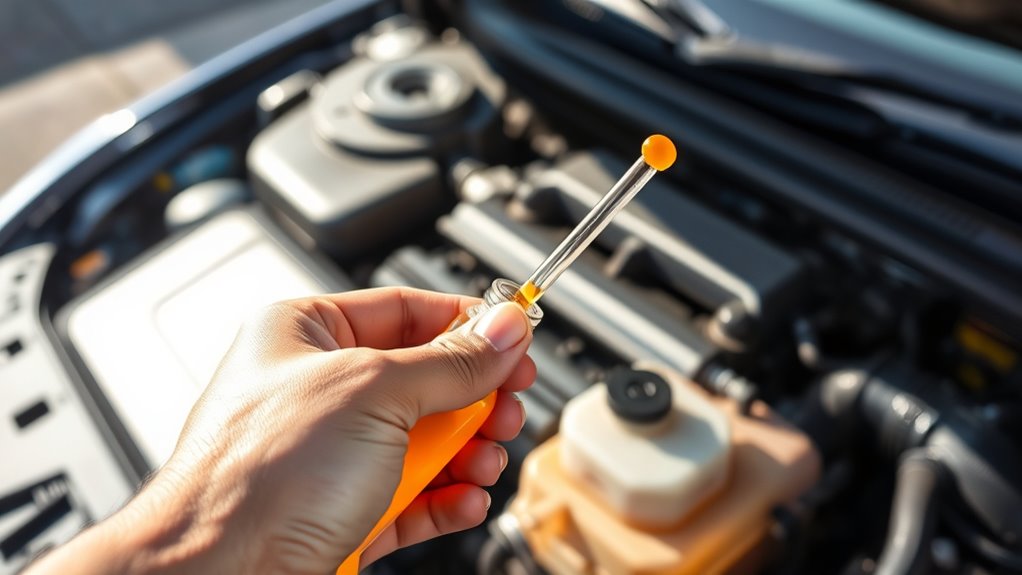
When to Check Power Steering Fluid: A Quick Guide
Many drivers struggle with maintaining their vehicle’s steering system, especially when it comes to power steering fluid. It’s easy to forget or overlook, but keeping an eye on this fluid is key to smooth, safe driving. You’re not alone—most people don’t realize how important regular checks are until problems pop up.
You should check your power steering fluid every month for peak performance, especially if you drive frequently or on rough roads. Look for signs like sluggish steering or unusual noises, which may indicate low fluid levels. If the fluid’s dark or murky, it needs attention.
Inspect for leaks regularly and follow your vehicle’s replacement schedule. Knowing when and how to maintain your fluid can save you from costly repairs.
There’s more to learn about keeping your steering system in top shape.
Key Takeaways
- Check your power steering fluid once a month, especially if you drive often or on rough roads.
- Look out for signs of low fluid like your steering feeling sluggish or hearing strange noises when turning.
- Make sure the fluid level is between the “min” and “max” marks, and top it up with the correct type if needed.
- Replace the power steering fluid every 30,000 to 60,000 miles, but check your vehicle’s manual for specific guidance.
- If you notice persistent noises, odd smells, or your steering feels resistant, it’s a good idea to see a mechanic.
How to Check Your Power Steering Fluid Level
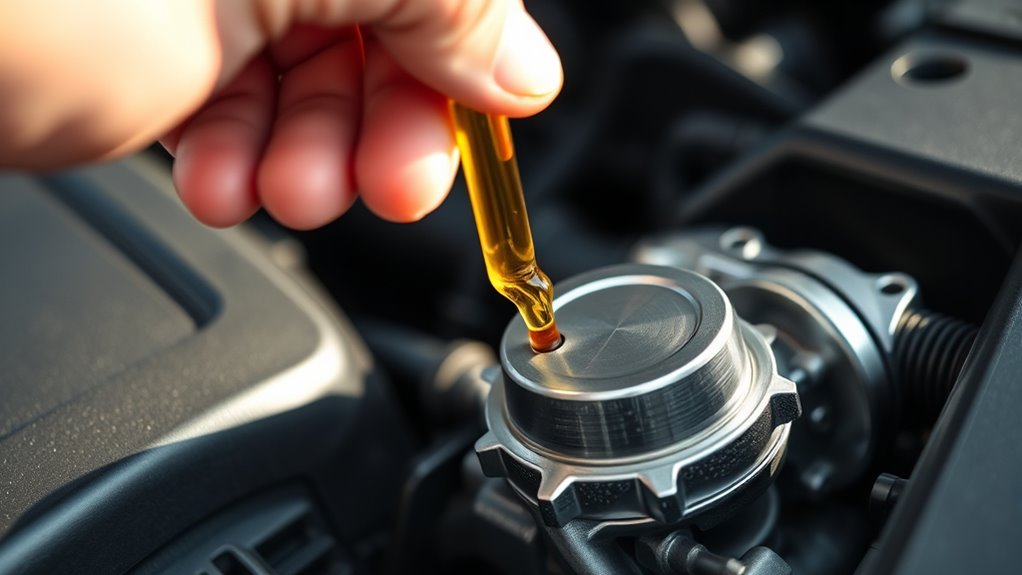
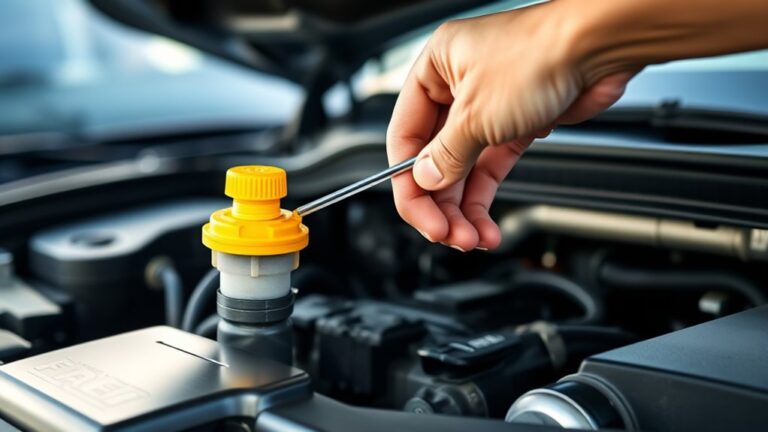
To keep your power steering system working smoothly, it’s important to check the fluid level regularly. Start by finding the power steering reservoir, which usually has a steering wheel icon on it.
Make sure the engine is off before you begin. Wipe the dipstick clean, then reinsert it and pull it out again to check the level. It should be between the “min” and “max” marks.
If the fluid is low, you’ll need to add some. Be sure to use the type specified in your vehicle’s manual—using the wrong fluid can cause steering problems.
After topping it up, start the engine and turn the steering wheel from lock to lock. This helps circulate the fluid and removes any air pockets.
Regularly checking your power steering fluid not only improves steering performance but also helps your steering system last longer. Make it a part of your routine vehicle maintenance.
Signs Your Power Steering Fluid Needs Checking
How do you know when it’s time to check your power steering fluid? Pay attention to your steering responsiveness. If it feels sluggish or unresponsive, that’s a clear sign something’s off.
You might also hear whining or groaning noises when you turn the wheel; these sounds can mean low fluid levels or fluid contamination. Additionally, if you see dark or murky fluid on your dipstick or in the reservoir, it’s time to investigate further.
Clean fluid should be clear and light in color. Contaminated fluid can cause steering issues, so don’t ignore any signs of dirt or debris. Finally, keep an eye out for leaks under your vehicle, as they could signal a serious problem that needs immediate attention.
What Does Low Power Steering Fluid Look Like?
When you’re checking your power steering fluid, the color can actually tell you quite a bit about how it’s doing. Usually, good, healthy fluid looks clear with a reddish tint—kind of like a light cherry color. But if the fluid’s gotten low, it might look darker or even brown, which isn’t great news.
It’s also a good idea to keep an eye on the fluid level itself. Making sure it stays within the right range helps keep your steering smooth and responsive. So, a quick peek now and then can really help catch any issues before they become bigger problems.
Color Indicators
Power steering fluid can reveal a lot about your vehicle’s health, especially regarding its color. When you check the fluid, look for specific visual indicators.
Healthy power steering fluid usually has a clear, reddish hue. If it turns dark brown or black, that’s a sign it’s degraded and needs replacing.
A milky or foamy appearance may mean contamination, possibly from water or air, which can harm your steering system. If the fluid looks burnt, it’s time to take action.
Understanding these fluid colors helps you keep your vehicle running smoothly and avoid costly repairs. Regular inspections ensure your power steering system stays reliable and operates well.
Fluid Level Check
After checking the color of your power steering fluid, the next step is to look at its level. Low fluid can cause steering issues, so it’s important to fix this right away.
Use these tips to keep your fluid in check:
| Fluid Level | Appearance | Action Needed |
|---|---|---|
| Full | Clear, within range | No action needed |
| Low | Below the minimum | Add fluid immediately |
| Very Low | Almost empty | Check for leaks |
| Overfilled | Above the max line | Remove the excess fluid |
| Contaminated | Dark, gritty | Replace the fluid now |
How Often to Check Power Steering Fluid
Regularly checking your power steering fluid is essential for keeping your vehicle running smoothly. Aim to check it every month, especially if you’re driving a lot or on rough roads.
Regularly checking your power steering fluid every month is crucial for maintaining a smooth driving experience, especially on rough roads.
This simple routine is a key part of your power steering maintenance. Make it a habit to check the fluid level and condition during your regular car inspections, like when you check your oil or windshield washer fluid.
If you notice the fluid changing color or becoming thicker, it might be time for a replacement. Usually, fluid should be replaced every 30,000 to 60,000 miles, but check your vehicle’s manual for specific guidance.
Keeping an eye on your power steering fluid can help you avoid costly repairs and enjoy smoother steering. Staying proactive will also help extend the life of your power steering system and make your driving experience better.
Top Reasons Your Power Steering Fluid Might Be Low
If you notice your power steering fluid is running low, it’s a good idea to check out some of the usual suspects. Leaks are often the main culprit — maybe a hose or seal has worn out or developed a crack. Sometimes, contamination from dirt or debris can also cause the fluid to break down faster, leading to lower levels.
It’s worth taking a close look at the system to see if any leaks or damage are causing the fluid to escape. Worn seals or hoses can be tricky because they might not be obvious right away, but they can really affect how smoothly your steering works. And don’t forget — if the fluid itself gets contaminated, it can become less effective and lead to more issues down the road. So, keeping an eye on these things can help you keep your steering in tip-top shape.
Leaks In The System
While inspecting your vehicle, you might notice that the power steering fluid is lower than usual. This often points to leaks in the system. If left unaddressed, power steering leaks can cause big issues.
Finding the source of the leak is key to preventing fluid contamination, which can damage other parts of your steering system. Here’s a quick look at common leak sources:
| Source | Description | Symptoms |
|---|---|---|
| Hoses | Deterioration or cracks | Whining noise when turning |
| Reservoir Cap | Loose or damaged cap | Fluid around the cap |
| Steering Rack | Seal failure or physical damage | Steering feels stiff |
| Pump | Wear and tear or faulty seals | Fluid pooling under the car |
Keep an eye on these areas to help keep your system running smoothly.
Worn Seals Or Hoses
This means you might not notice a problem right away until your steering starts to feel less responsive. The hoses are just as important—cracks or wear can also lead to fluid loss.
Regularly checking these parts helps you catch issues early before they cause more damage. If you see signs of wear, it’s best to replace the seals or hoses quickly.
Keeping an eye on these components ensures your power steering stays smooth and reliable.
Contaminated Fluid Presence
Contaminated fluid can really affect your power steering system, causing low fluid levels and performance problems. Catching signs of contaminated fluid early can help you avoid costly repairs.
Here are some key signs to look out for:
| Symptom | Identification |
|---|---|
| Dark or Gritty Fluid | Check the fluid’s color and texture. |
| Unusual Noises | Listen for whining or grinding sounds. |
| Stiff Steering Wheel | Notice if the wheel feels harder to turn. |
If you see any of these signs, it’s important to check your fluid. Contaminated fluid can damage your power steering pump and affect steering. Don’t ignore the warning signs!
The Risks of Ignoring Power Steering Fluid Levels
Ignoring your power steering fluid levels can lead to serious risks that affect both your vehicle’s performance and your safety on the road. Low fluid levels can make steering less responsive, especially in tight spots or during sudden stops.
This can make it harder to control your car, increasing the chances of accidents. Plus, neglecting fluid checks can cause system inefficiency and damage to the power steering parts.
Using the wrong type of fluid can also worsen the problem, so it’s important to pick the right one. Regularly checking your fluid levels helps keep your driving smooth and your system lasting longer.
Don’t wait for issues to pop up. Make sure your power steering fluid is topped up to keep your vehicle running safely and smoothly.
Topping Off Your Power Steering Fluid: A Step-by-Step Guide
Topping off your power steering fluid is pretty straightforward and can really help keep your steering feeling smooth and responsive. First things first, it’s a good idea to check the fluid level regularly so you don’t run into any problems down the line.
Once you’ve checked that, make sure you’ve got the right type of fluid for your car. Using the wrong kind can cause more harm than good. Then, just follow the proper steps to add the fluid safely, and you’ll be good to go!
Check Fluid Level Regularly
Checking your power steering fluid level regularly is essential for keeping your steering smooth and avoiding potential damage to your vehicle. It’s a simple step that can save you from costly repairs later on.
During your routine inspections, make it a habit to check the fluid level every few months or before long trips. Just locate the power steering reservoir, wipe the dipstick clean, and reinsert it. Then, pull it out again to see where the fluid sits.
If the level is low, top it off with the right type of fluid. Staying proactive with these checks helps ensure your power steering system runs smoothly and reliably whenever you need it.
Identify Correct Fluid Type
Once you’ve confirmed that your power steering fluid level is low, it’s time to identify the correct fluid type for your vehicle. Using the wrong fluid can cause problems, so it’s important to follow your manufacturer’s specifications closely.
Start by checking the owner’s manual. It’ll specify the exact fluid type recommended for your vehicle. Next, look for compatible fluids—some brands offer multi-specification fluids, but make sure they work with your system.
Finally, verify the color and consistency of the fluid. Different types have distinct colors and viscosities, and matching these can help you avoid potential issues.
Proper Topping Off Technique
Before you add any fluid, make sure you’ve got everything you need at hand. Start by locating the power steering reservoir and checking the current fluid level. If it’s low, grab your correct fluid type. Using a funnel can help prevent spills; this is part of your topping technique.
Carefully pour the fluid into the reservoir, adding small amounts at a time. After each addition, check the level again to avoid overfilling. Remember, proper fluid maintenance is essential for your steering system’s longevity.
Once you’ve reached the appropriate level, securely replace the reservoir cap. Finally, start your engine and turn the steering wheel to circulate the fluid, ensuring everything’s functioning smoothly.
When Should You Call a Mechanic for Power Steering Problems?
When should you consider calling a mechanic for power steering problems? If you’re experiencing issues with your vehicle’s steering, it’s important to act quickly. Here are three signs that it’s time to seek professional help:
First, listen for steering noises. If you hear whining, grinding, or clunking sounds while turning the wheel, it’s a red flag. These noises often mean there’s a problem with the power steering system.
Next, pay attention to fluid smells. A burnt smell or any unusual odor coming from the steering fluid could indicate overheating or contamination. Ignoring this can lead to more serious issues.
Finally, notice how the steering feels. If you experience resistance or stiffness when turning, don’t ignore it. This could be a sign of low fluid levels or a failing pump.
Addressing these issues early can save you from costly repairs later on. So, don’t hesitate to call a mechanic if you notice any of these signs!
Tips for Maintaining Your Vehicle’s Steering System
Addressing steering issues promptly can prevent bigger problems down the road, so it’s important to keep your vehicle’s steering system in top shape. Start by regularly checking your power steering fluid level, as low fluid can cause more wear on parts.
Follow a fluid replacement schedule recommended in your owner’s manual, usually every 50,000 to 100,000 miles, to keep everything running smoothly. Also, inspect hoses and connections for leaks or cracks. If you see any signs of damage, replace them right away.
Regularly rotating your tires and getting proper alignments can improve steering response and extend the life of your steering system. Listen for strange noises when turning—these can signal issues that need attention.
Common Misconceptions About Power Steering Fluid
What do you really know about power steering fluid? Many drivers believe common myths that can cause confusion about maintaining the fluid. Let’s clear things up!
- Power Steering Fluid Never Needs Changing: That’s not true. Just like engine oil, it can break down over time and should be checked regularly.
- All Fluids Are the Same: Different vehicles need specific types of power steering fluid. Always check your owner’s manual to be sure.
- Low Fluid Means a Leak: While it can mean there’s a leak, low fluid levels might just be from normal use. Regular checks will help you stay on top of it.
Keep these tips in mind to keep your steering system running smoothly. Don’t let misconceptions steer you wrong!
Frequently Asked Questions
Can I Use Any Fluid for My Power Steering System?
You can’t just use any fluid for your power steering system. Different types require specific fluids to work properly.
Using the wrong fluid can cause poor steering response and even damage your system. Always check your vehicle’s manual for the recommended fluid type.
Keeping up with fluid maintenance helps ensure your power steering works smoothly and lasts longer. So, stick to the right fluid to keep everything running efficiently!
How Does Temperature Affect Power Steering Fluid?
Ever felt that sinking feeling when your steering gets stiff? Temperature really impacts the viscosity of your power steering fluid.
In colder weather, the fluid thickens, making it harder to turn your wheel. When it’s hot, the fluid thins out, which can lead to leaks or extra wear.
Keeping an eye on the temperature helps ensure your fluid stays at the right thickness. That way, you can steer smoothly and safely.
Don’t let temperature surprises catch you off guard!
What Happens if I Overfill Power Steering Fluid?
If you overfill power steering fluid, it can cause extra pressure in the system, which may lead to leaks.
You might hear a whining noise or find it hard to steer, both signs something’s wrong.
The pressure can push fluid out through seals or hoses, causing messy leaks under your vehicle.
To avoid these problems, always check the level and keep it within the recommended range for smooth steering.
Is Synthetic Power Steering Fluid Better Than Conventional?
You might be wondering if synthetic power steering fluid’s worth the switch. Well, it often is! Synthetic fluids offer better stability, resisting temperature changes and oxidation.
You’ll find their improved lubricating properties help reduce wear and tear, which can extend your system’s lifespan.
Just make sure to check if the fluid is compatible with your vehicle. Using the right type is key because mixing conventional and synthetic fluids can cause performance issues.
Can Power Steering Fluid Expire or Go Bad?
Yes, power steering fluid can go bad. Over time, it can break down, especially if you neglect power steering maintenance.
You should regularly check the fluid’s color. If it turns dark brown or black, that’s a sign it’s degraded. Contaminants can also affect its performance.
Don’t ignore any unusual noises while steering, as they can indicate issues. Keeping an eye on the fluid helps keep your steering system running smoothly and efficiently.
Conclusion
To sum up, keeping an eye on your power steering fluid is essential for smooth driving. Did you know that around 50% of power steering issues come from low fluid levels?
By checking your power steering fluid regularly and topping it off when needed, you can avoid costly repairs and keep your steering system running smoothly.
Remember, staying proactive about your power steering fluid today can save you headaches later. So don’t ignore those fluid levels—your car will thank you!